Financial Times: Bahçeli’s Political U-Turn Could Reshape Turkey
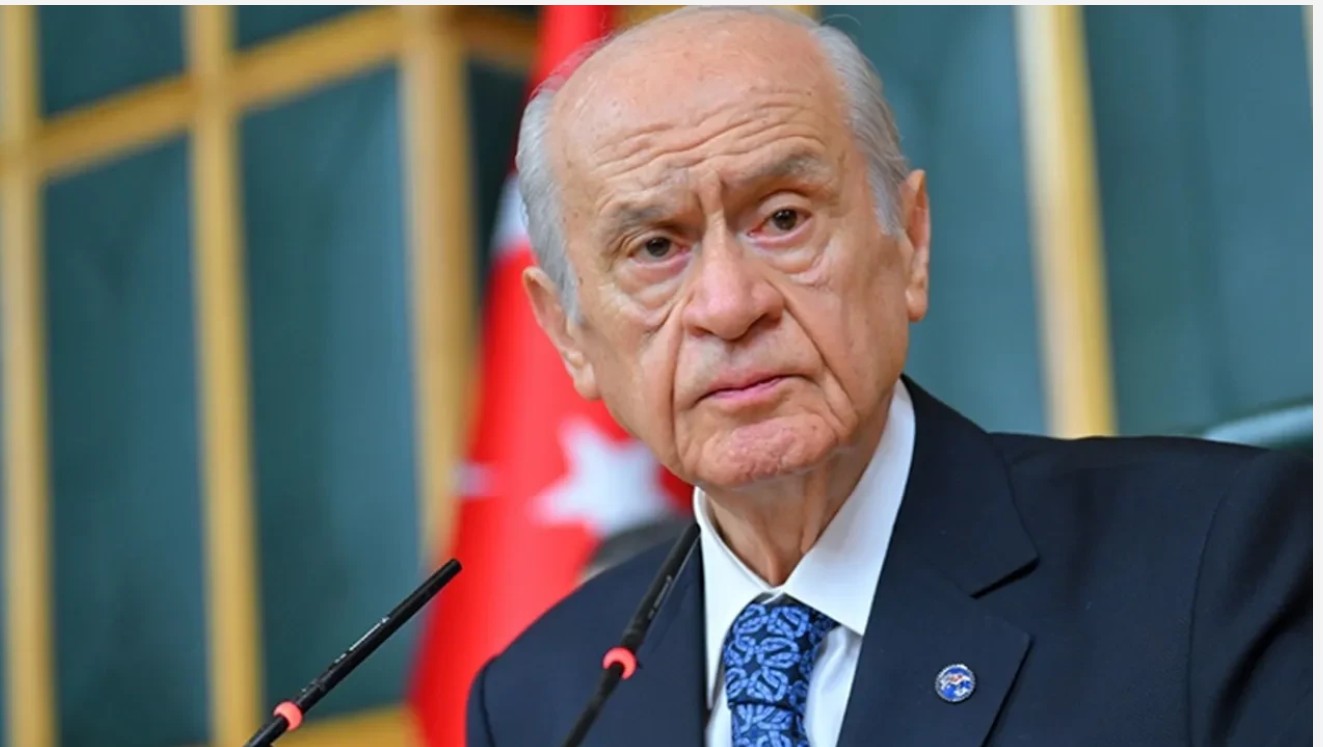 devlet bahceli2
An in-depth analysis published by the Financial Times has placed Turkey’s nationalist politics under an international spotlight, focusing on a striking political shift by Nationalist Movement Party (MHP) leader Devlet Bahçeli. Once known as the most uncompromising advocate of hardline security policies and the fiercest opponent of the Kurdish political movement, Bahçeli has emerged as one of the most vocal supporters of President Recep Tayyip Erdoğan’s renewed Kurdish peace initiative. Observers describe the transformation as one of the most dramatic reversals in modern Turkish political history.
For decades, Bahçeli built his political identity on an unyielding stance against the PKK and its imprisoned founder, Abdullah Öcalan. Yet today, the 78-year-old ultranationalist leader is being portrayed as a central figure in a peace effort aimed at ending a conflict that has claimed more than 40,000 lives over four decades. According tothe Financial Times, this evolution is not merely symbolic but strategically significant for the future of Turkish politics.
A Symbolic Gesture That Changed the Narrative
One of the most eye-catching details highlighted in the analysis was a photograph recently shared by Bahçeli himself. In the image, the MHP leader is shown with a red woven rug that Abdullah Öcalan sent him from his hometown. The gesture, almost unthinkable just a few years ago, was interpreted as a symbolic thaw between two figures historically defined by hostility.
Bahçeli publicly referred to the gift as a “peace and democracy rug” and further thanked Öcalan for his “sincerity regarding Turkish-Kurdish unity.” For international observers, the image of a man who once demanded Öcalan’s execution now acknowledging him in conciliatory terms represents a profound political rupture.
The Financial Times stressed that these gestures should not be dismissed as tactical theatrics. Instead, they reflect Bahçeli’s growing role as an enthusiastic advocate of a historic peace attempt that could permanently reshape Turkey’s internal conflict dynamics.
A Highly Unusual Political Alliance
The article also explored the extraordinary nature of Bahçeli’s alliance with President Erdoğan. Described as Erdoğan’s closest political partner and Turkey’s second most powerful political actor, Bahçeli plays a decisive role in sustaining the ruling coalition. A telling anecdote cited by the newspaper notes that the two leaders send each other bouquets of roses equal to their ages on their birthdays, a ritual symbolizing the personal dimension of their partnership.
Despite ideological differences, Bahçeli’s MHP, with its 47 parliamentary seats, remains essential to maintaining the government’s legislative majority. This leverage has elevated Bahçeli’s status far beyond that of a conventional junior coalition partner.
“Kingmaker” or Voice of the Deep State?
The analysis presented competing interpretations of Bahçeli’s influence. Some political circles view him as a classic “kingmaker,” while others describe the MHP as the political expression of Turkey’s so-called “deep state.” A third perspective suggests that Bahçeli functions as a strategic messenger for Erdoğan.
Selim Koru, an analyst at the Ankara-based think tank TEPAV, explained this ambiguity by stating, “Sometimes what Bahçeli says is purely his own. At other times, it reflects positions the Palace wants to signal or ideas Erdoğan does not wish to articulate publicly.”
Kurdish Politics React with Caution
From the Kurdish political camp, reactions remain measured. DEM Party Deputy Co-Chair Ebru Günay acknowledged Bahçeli’s contribution but emphasized uncertainty about its longevity. “So far, Bahçeli has played an important role. He has been more outspoken than Erdoğan. However, at the end of the day, Bahçeli is a nationalist, and if he believes the peace process no longer serves Turkey’s interests, he may abandon it,” she said.
Erdoğan’s Strategic Calculus
The Financial Times analysis also examined the broader political calculations behind the renewed peace initiative. With PKK-linked groups in Syria reportedly reaching ceasefire and integration agreements with Damascus, analysts argue that regional conditions may now be more favorable for a domestic settlement in Turkey.
If successful, the initiative could allow Erdoğan to enter history as the leader who resolved the Kurdish issue. More pragmatically, it could help him secure Kurdish voter support for a potential constitutional amendment that would enable a third presidential term.
Political consultant Bahadırhan Dinçaslan framed the situation bluntly: “Turkish politics is like Game of Thrones. Bahçeli did not suddenly become a man of peace. Erdoğan has lost public support and now needs Kurdish voters.”
Internal Nationalist Backlash
Not everyone within nationalist circles is convinced. Critics point to the MHP’s preference for exerting influence through bureaucratic channels rather than through ministerial positions as evidence of a power-focused politics. Zafer Party leader Ümit Özdağ was particularly harsh, stating, “MHP is no longer a nationalist party. It has become a mechanism of the government. Bahçeli is interested in only one thing: power.”
The Financial Times concluded by questioning whether Bahçeli’s support stems from genuine national interest or a desire to preserve Erdoğan’s rule. The article closed with Selim Koru’s observation: “People like Bahçeli always want to remain a boss in the public eye.”
Related articles

Betting Scandal Engulfs Turkish Football as Integrity Crisis Deepens

Could Turkey’s Inflation Crisis Affect Erdogan’s Re-Election Bid?
Turkish Business Community Urges EU to Update Customs Union and Rethink Accession