Experts Warn Turkey Faces Economic, Security, and Migration Risks as Iran Conflict Deepens
 turkey iran
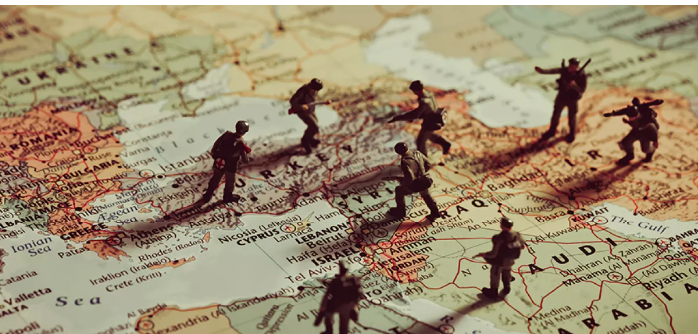
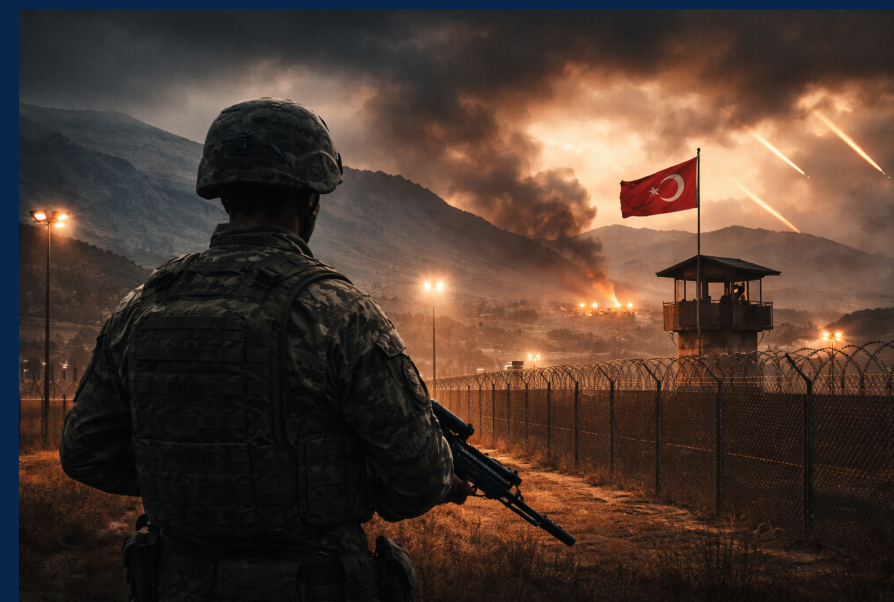
ANKARA — As the military confrontation sparked by U.S. and Israeli strikes on Iran intensifies, experts are warning that Turkey faces significant economic vulnerabilities, security threats, and potential migration pressures. While Ankara urges an immediate halt to hostilities and attempts to mediate, analysts fear a prolonged conflict could destabilize the region, driven by oil price shocks and heightened militant activity along Turkey’s eastern border.
Economic Strain and Energy Vulnerabilities
Turkey’s most immediate risk lies in the energy markets, where sharp increases in oil prices threaten to derail economic stabilization efforts.
-
According to Goldman Sachs, if Brent crude prices remain near $80 per barrel through the end of the year, Turkey’s current account deficit could increase by $18 billion, roughly 1% of its GDP.
-
Economist Mahfi Eğilmez calculated that each $10 increase in oil prices could push Turkey’s current account deficit up by at least $2.5 billion and intensify inflationary pressures by approximately 1 percentage point.
-
A sustained energy shock would severely limit the central bank’s room for monetary easing, complicating efforts to stabilize the Turkish Lira.
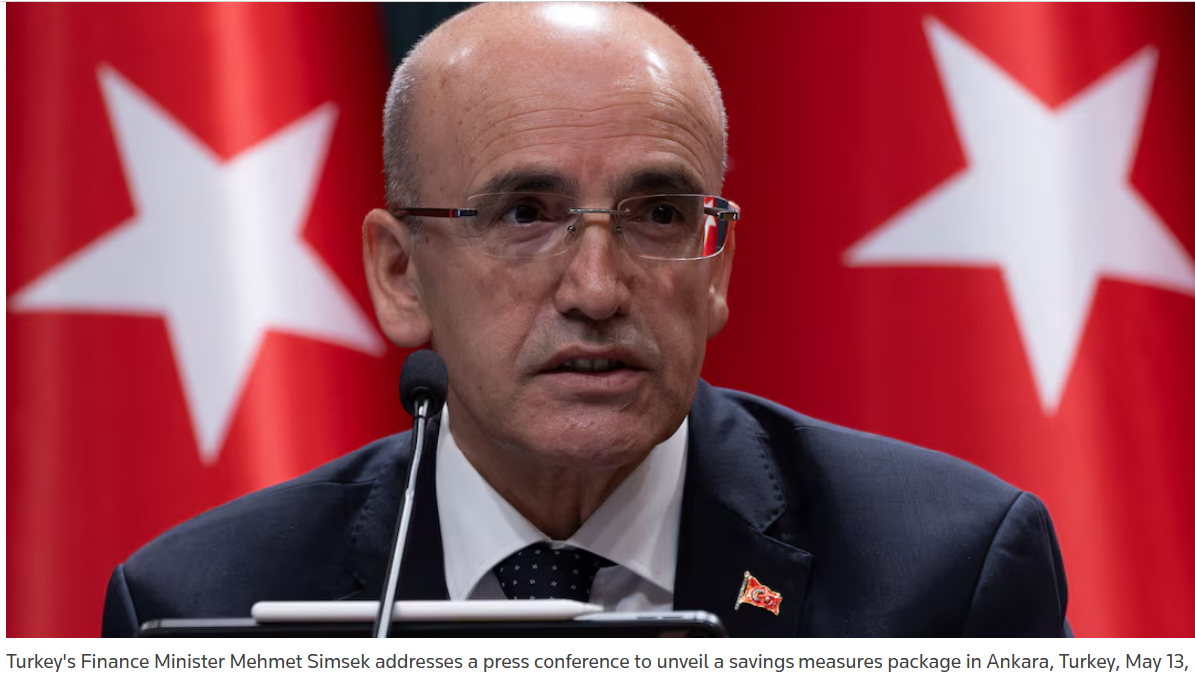
Şimşek Says “There Is Progress and Results” as Türkiye Pushes Ahead With Disinflation Program
Border Security and Regional Stability
The long-term security outlook depends heavily on whether the conflict escalates into internal unrest within Iran.
-
Sinan Ülgen, director of the Center for Economics and Foreign Policy Studies (EDAM), noted that while airstrikes alone may not trigger a massive refugee influx, internal violent conflict similar to scenarios in Iraq or Syria could create a major crisis.
-
Turkey shares a 534-kilometer border with Iran, and officials have emphasized that police, gendarmerie, and intelligence services are taking necessary measures to maintain border security.
Migration Pressures and Political Fallout
Opposition figures have expressed grave concerns that Turkey, already hosting the world’s largest refugee population, cannot absorb a new influx.
-
Murat Bakan, a lawmaker from the opposition Republican People’s Party (CHP), warned of renewed irregular migration and questioned the government’s border security coordination.
-
Ümit Özdağ, leader of the Victory Party (ZP), urged the Turkish military to establish a buffer zone inside Iranian territory to manage humanitarian responses within Iran rather than across the border.
NATO Sensitivities and Long-Term Outlook
Turkey’s NATO membership adds a layer of complexity regarding facilities such as the İncirlik Air Base and the Kürecik radar site.
-
Ahmet Davutoğlu, former prime minister, urged the government to declare Turkish territory off-limits for attacks on Iran and seek consultations under NATO’s Article 4 mechanism.
-
Conversely, Istanbul Analytics suggests that a regime change in Iran could ultimately benefit Turkey in the long term, potentially integrating Iraq with Turkey and positioning Turkey as a central hub for trade between China, the Middle East, and Europe.
PA Turkey intends to inform Turkey watchers with diverse views and opinions. Articles on our website may not necessarily represent the view of our editorial board or constitute endorsement.
Follow our English YouTube channel (REAL TURKEY):
https://www.youtube.com/channel/UCKpFJB4GFiNkhmpVZQ_d9Rg
Twitter: @AtillaEng
Facebook: Real Turkey Channel: https://www.facebook.com/realturkeychannel/