Europe’s Security Architecture ‘Falls Short’ Without Türkiye, Erdoğan Says
 rte airplane
President Recep Tayyip Erdoğan said Europe cannot construct a credible and sustainable defense architecture without Türkiye, arguing that ideological barriers continue to block deeper integration. Speaking after his visit to Ethiopia, Erdoğan also highlighted Ankara’s expanding role in Africa and marked the 74th anniversary of Türkiye’s NATO membership, underlining the country’s military weight within the alliance.
President Recep Tayyip Erdoğan said Europe must reassess its approach to continental defense, warning that attempts to build a new security framework without Türkiye would be incomplete and strategically flawed.
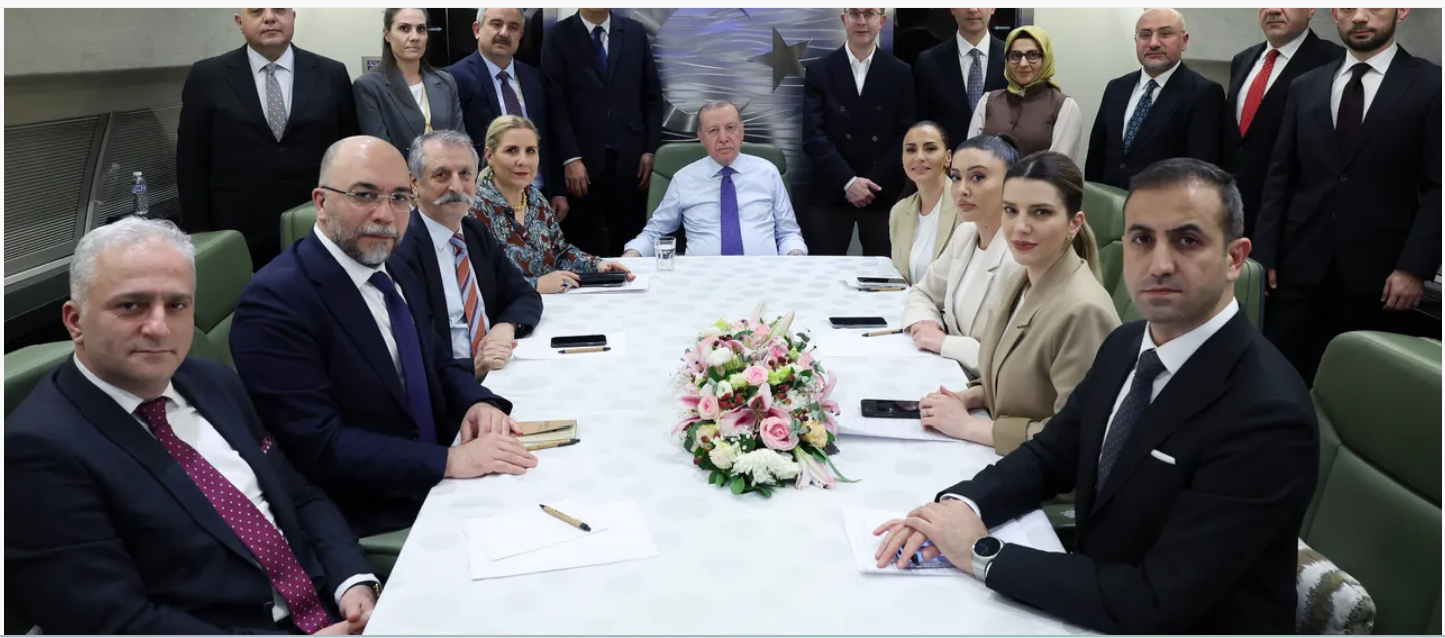
Speaking to journalists aboard his return flight from Ethiopia, Erdoğan responded to questions about Türkiye’s active participation in NATO operations, including a major military exercise in Germany and air policing missions in the Baltic region.
“Time Has Come to Include Türkiye”
Erdoğan said Türkiye has long emphasized its potential contributions to both the European Union and European security mechanisms.
“The time has long come for Europe to include Türkiye in its existing defense and security structures,” he said. “The world is changing rapidly. In such a transformation, how long can the European Union remain constrained by narrow political agendas?”
He argued that removing ideological obstacles would strengthen Europe’s overall security posture. According to Erdoğan, excluding Türkiye while attempting to design a new defense architecture would not reflect geopolitical realities.
“If there is a serious effort to build a new European defense system, it is clear that forming it without Türkiye would be insufficient,” he said.
His remarks come amid renewed debate within Europe over strategic autonomy, defense spending and NATO’s evolving role in regional deterrence.
The Twilight of the Erdogan Era: A Legacy of Transformation and Turmoil
Prominent Role in NATO Drill
Türkiye recently participated in a large-scale NATO exercise in Germany with approximately 2,000 personnel from the Turkish Armed Forces.

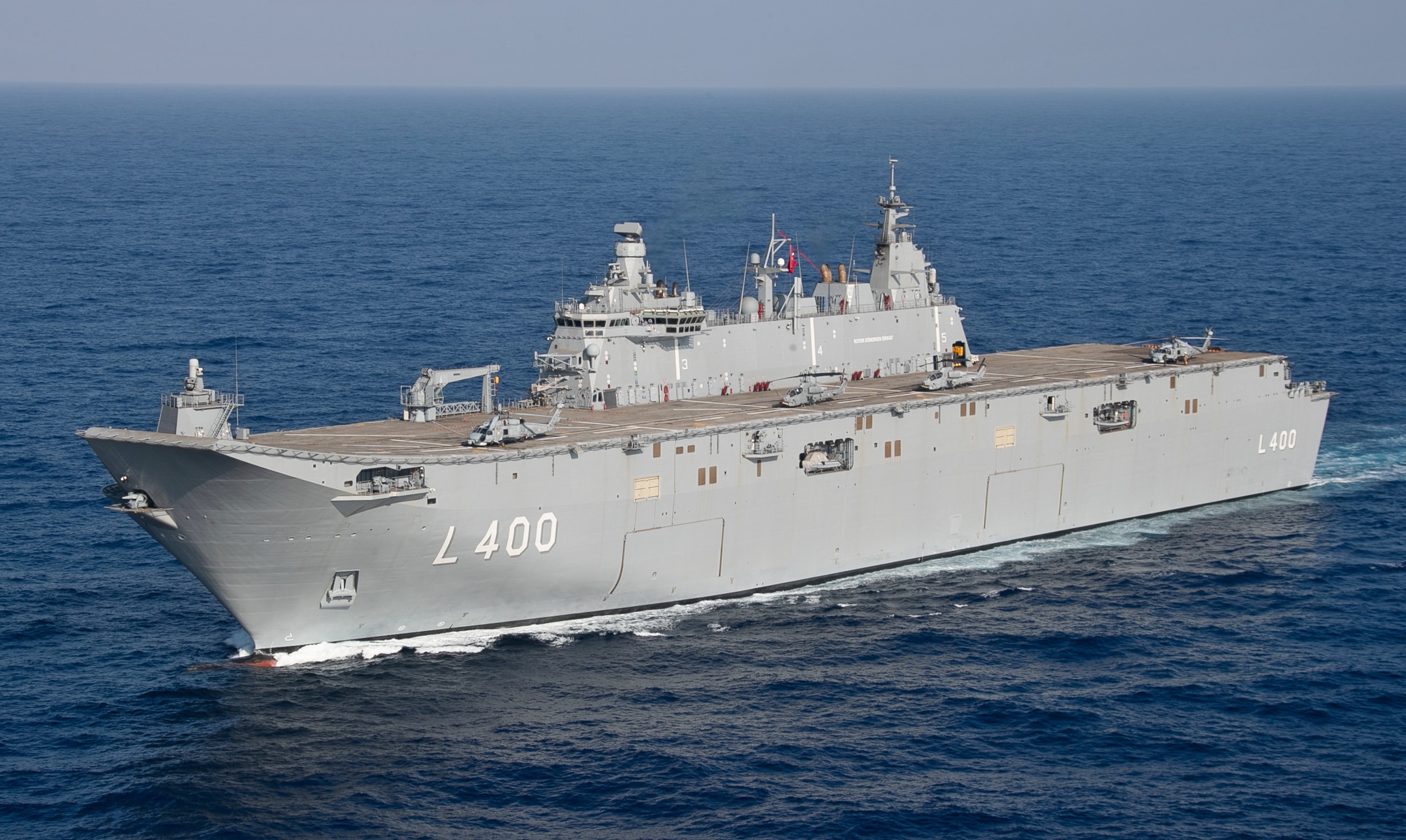

During the drill, the Bayraktar TB3 unmanned combat aerial vehicle operated from the TCG Anadolu amphibious assault ship and conducted live-fire exercises against designated targets. Turkish F-16 fighter jets were also deployed to support Baltic airspace security under NATO missions.
Erdoğan said the Turkish military remains among the largest and most capable within the alliance.
“The Turkish army today is one of the largest and most active in NATO. We have full confidence in our armed forces,” he said. “We are not a country that merely speaks at the table. We demonstrate our capabilities in the field.”
Türkiye possesses NATO’s second-largest army in terms of manpower and has consistently contributed to alliance missions from Afghanistan to the Balkans.
EU Moves to Rebuild Ties With Turkey as Ukraine War Reshapes Regional Security
74 Years in NATO
Türkiye marked the 74th anniversary of its accession to NATO, which it joined on February 18, 1952.
In a statement shared on the Turkish social media platform NSosyal, the National Defence Ministry described Türkiye as a “respected ally for world peace,” highlighting its contributions to operations and missions across NATO theaters.
“As a country with NATO’s second-largest army, Türkiye ranks among the top five contributors to the alliance,” the ministry said.
The Communications Directorate also emphasized Türkiye’s role in deterrence, counterterrorism and crisis management. Officials said Ankara would continue contributing to NATO’s 2030 strategic vision, particularly through investments in defense technologies, cybersecurity capacity and next-generation military capabilities.
Türkiye’s defense industry has expanded significantly over the past decade, with increased domestic production of drones, naval platforms and missile systems. Ankara has positioned this growth as a key element of its contribution to collective security.
European Security Debate Intensifies
Erdoğan’s remarks come at a time when European governments are reassessing defense strategies amid shifting global dynamics, Russia’s war in Ukraine, and questions over long-term transatlantic coordination.
European leaders have discussed building stronger autonomous defense capabilities while maintaining NATO commitments. Ankara has repeatedly argued that its geostrategic position — bridging Europe, the Middle East and the Black Sea region — makes it indispensable to any comprehensive security structure.
Turkish officials have also stressed that Türkiye’s counterterrorism experience and operational footprint contribute directly to alliance deterrence.
Erdoğan said it was increasingly understood that “a realistic and sustainable European security equation” cannot be built without Türkiye’s participation.
Expanding Ties with Africa
Turning to his visit to Ethiopia, Erdoğan described Addis Ababa as a gateway to deeper engagement with the African continent.


He said Türkiye’s Africa policy is based on partnership rather than exploitation, emphasizing that Ankara has no colonial legacy on the continent.
“Türkiye has never had a colonial past in Africa,” Erdoğan said. “Our approach is based on equality, mutual respect and humanitarian diplomacy.”
Türkiye has significantly expanded its diplomatic presence in Africa over the past two decades, increasing the number of embassies and trade missions across the continent. Ankara has also played mediation roles in regional disputes, including efforts to ease tensions between Ethiopia and Somalia.
Officials say the strategy aims to build long-term economic, political and security partnerships while strengthening trust with regional actors.
Strategic Positioning and Alliance Future
Erdoğan’s comments underline Ankara’s broader effort to assert its strategic importance within NATO and European security debates, while simultaneously deepening engagement beyond the Euro-Atlantic sphere.
Türkiye’s geographic location, military capabilities and growing defense industry have been central to its diplomatic messaging in recent years. Officials argue that these factors make Ankara a critical stakeholder in shaping future security frameworks.
As NATO adapts to emerging threats — including cyber risks, hybrid warfare and evolving regional conflicts — Turkish authorities have signaled continued investment in both conventional and advanced defense systems.
Erdoğan said Türkiye would maintain its commitment to collective security while advocating for greater recognition of its role in Europe’s long-term defense planning.
Author: PA Turkey News Desk
PA Turkey intends to inform Turkey watchers with diverse views and opinions. Articles in our website may not necessarily represent the view of our editorial board or count as endorsement.
Follow our English YouTube channel (REAL TURKEY):
https://www.youtube.com/channel/UCKpFJB4GFiNkhmpVZQ_d9Rg
Twitter: @AtillaEng
Facebook: Real Turkey Channel: https://www.facebook.com/realturkeychannel/