Europe, Türkiye Agree to Work Toward Updating Customs Union
 tr eu
tr eu
The European enlargement chief and the Turkish foreign minister said on Friday they had agreed to continue work toward modernizing the EU-Türkiye customs union and to improve its implementation, Reuters reported.
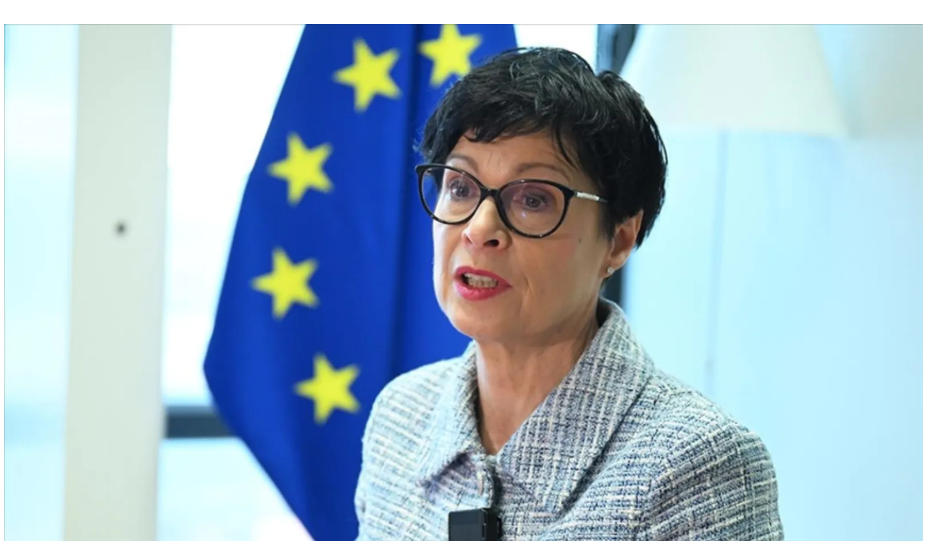
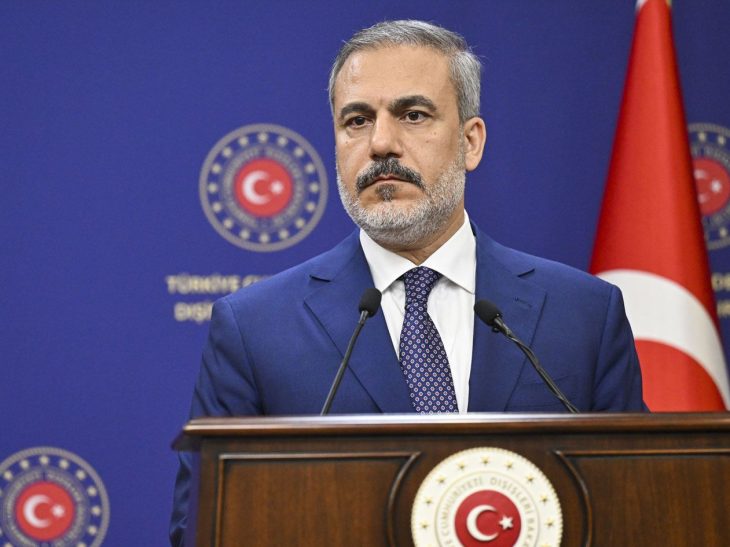
European Commissioner for Enlargement Marta Kos met Turkish Foreign Minister Hakan Fidan in the capital Ankara on Friday.
“They shared a willingness to work for paving the way for the modernization of the Customs Union and to achieve its full potential in order to support competitiveness, and economic security and resilience for both sides,” they said in a joint statement afterward.
The sides also welcomed the gradual resumption of European Investment Bank (EIB) operations in Türkiye and said they intended to support projects across the country and neighbouring regions in cooperation with the bank.
“A Window of Opportunity”: The Commissioner’s Post-Meeting Briefing
Following the conclusion of her talks with the Turkish Ministry of Foreign Affairs and the Ministry of Trade, the EU Commissioner for Enlargement characterized the current moment as a “pivotal window of opportunity” to recalibrate the EU-Türkiye relationship through the lens of trade and climate action.
Key Takeaways from the Commissioner’s Statement
The Commissioner’s remarks centered on three major themes: technical readiness, the “Green” imperative, and political conditionality.
1. Moving Beyond Industrial Goods
The Commissioner acknowledged that the 1995 agreement is no longer “fit for purpose” in the 21st-century economy. She stated that the EU is ready to discuss the inclusion of services, digital commerce, and public procurement, but noted that this would require Türkiye to adopt EU-compatible competition and transparency laws.
“Our economies are deeply integrated, but our trade rules are stuck in the 1990s. We have agreed to move from a narrow industrial focus to a comprehensive economic partnership.”
2. The “Green” Conditionality
A significant portion of the briefing was dedicated to the European Green Deal. The Commissioner was explicit: for the Customs Union update to move forward, Türkiye must align its industrial policies with the EU’s carbon-neutrality goals.
-
CBAM Integration: She warned that without a joint framework on carbon pricing, Turkish exporters would face significant hurdles under the Carbon Border Adjustment Mechanism.
-
Technical Support: The EU pledged to provide technical assistance and investment through the Global Gateway initiative to help Turkish SMEs transition to greener production.
3. Addressing Trade Barriers and Rule of Law
In a moment of peer-like candor, the Commissioner noted that “technical updates cannot happen in a vacuum.” She highlighted that the EU expects Türkiye to address existing trade irritants—such as additional customs duties and certificates of origin—that currently hamper the smooth functioning of the existing union.
Crucially, she reiterated the EU’s long-standing position:
-
Rule of Law: Progress on the economic track is “intertwined” with the climate of judicial independence and fundamental rights in Türkiye.
-
Geopolitical Alignment: She praised Türkiye’s role in regional logistics but urged further alignment with EU foreign policy stances to ensure a stable investment climate.
The Next Steps: The “Roadmap” Phase
The Commissioner announced that technical teams from Brussels and Ankara would begin meeting bi-weekly starting next month. The goal is to produce a Comprehensive Impact Assessment by the end of 2026.
The Commissioner concluded by stating that while the EU is not yet talking about “opening new chapters” in the accession process, the Customs Union modernization serves as the most “tangible and mutually beneficial” way to revitalize the relationship.
Summary Table: The Commissioner’s Priorities
| Priority Area | EU Commissioner’s Stance | Requirement for Türkiye |
| Services & Digital | Essential for modernization | Legislative alignment with EU Digital Single Market |
| Green Deal | Non-negotiable for future trade | Implementation of domestic carbon pricing |
| Trade Barriers | Immediate removal required | Elimination of surcharges and additional duties |
| Rule of Law | Central to investor confidence | Continued reforms in the judicial and rights sector |