EU Rapporteur Rejects Identity Politics Claim, Cites Democracy as Core Obstacle to Turkey’s EU Bid
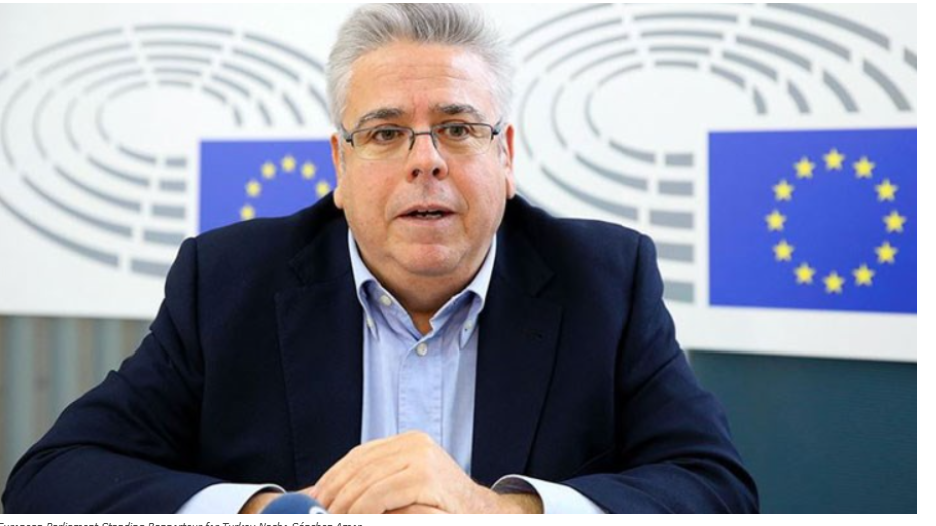 nacho sanchez amor EU
Summary:
The European Parliament’s rapporteur on Türkiye has dismissed claims that the European Union is blocking Ankara’s membership bid due to religion or identity, arguing instead that democratic backsliding and rule-of-law concerns remain the decisive barriers keeping accession talks frozen.
The European Parliament’s rapporteur on Türkiye, Nacho Sánchez Amor, said on Tuesday that Ankara’s stalled EU accession process is rooted in democratic deficiencies rather than religious or cultural discrimination.
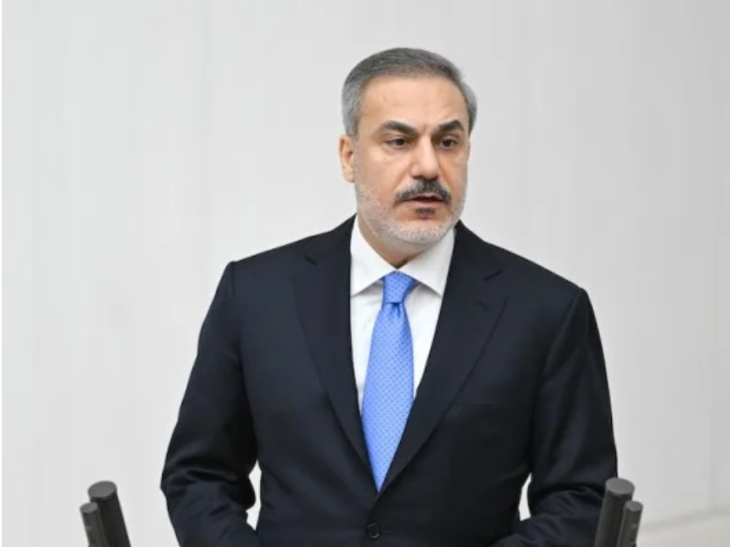
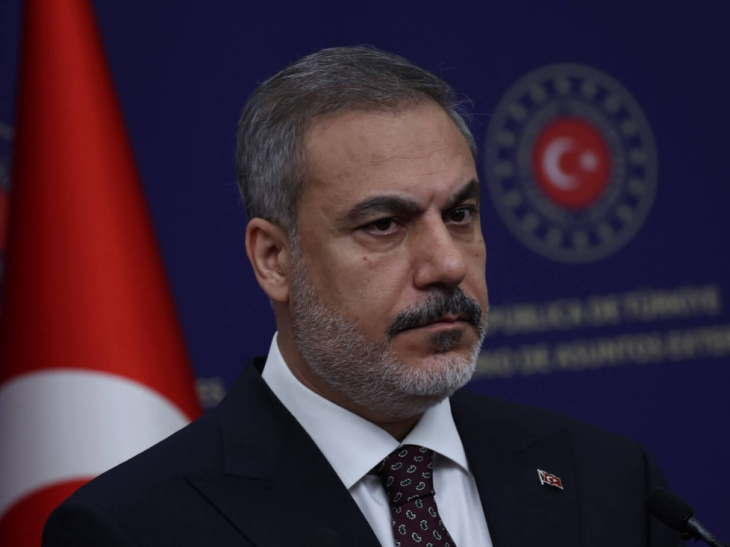
Speaking after a European Parliament Subcommittee on Human Rights mission to Türkiye earlier this month, Sánchez Amor rejected comments by Turkish Foreign Minister Hakan Fidan, who said the EU was approaching Türkiye through the lens of “identity politics.”
“The problem with Türkiye is not religion,” Sánchez Amor said. “The problem with Türkiye is democracy.”
Pushback Against “Identity Politics” Narrative
Fidan made his remarks in an interview with Sky News Arabia published late Sunday, arguing that Türkiye’s EU path remains blocked because the bloc views the country through “identity, religion and civilization.”
Sánchez Amor acknowledged that anti-Muslim and anti-Türkiye sentiment exists within parts of European politics, but said it has not driven the EU’s institutional stance in recent years. He noted that the EU already includes an estimated 25 million Muslims, rejecting the argument that religion constitutes a decisive obstacle to membership.
Türkiye has been an official EU candidate since 1999 and began accession negotiations in 2005. Talks have effectively been frozen since 2018, with EU institutions repeatedly citing concerns over democratic standards, judicial independence and fundamental rights.
Findings From Human Rights Mission
Sánchez Amor’s remarks followed a January 7–9 visit to Ankara and İstanbul by a delegation from the European Parliament’s Subcommittee on Human Rights. The delegation held meetings with Turkish officials, lawmakers, civil society representatives and independent media outlets.
According to Sánchez Amor, Turkish authorities sought to portray criticism from the European Parliament as politically biased. He said representatives of the ruling alliance, particularly the Nationalist Movement Party (MHP), reacted aggressively to parliamentary scrutiny.
A recurring point of contention during meetings was Türkiye’s practice of removing elected mayors and replacing them with state-appointed trustees. Turkish authorities argue the policy is necessary to combat terrorism. Sánchez Amor said the explanations provided lacked “legal certainty” and amounted to political decision-making, particularly in cases where authorities declined to appoint replacements from the same political party.
Rule of Law and Judiciary Under Scrutiny
Sánchez Amor also criticized what he described as a lack of political will in Ankara to advance reforms linked to EU accession. He said repeated “judicial reform” packages had failed to produce tangible improvements.
“The state of the judiciary has not improved,” he said, adding that reform initiatives often remain confined to policy documents rather than implementation.
He described Türkiye’s human rights situation as “as dark as it has been in recent years,” citing pressure on the main opposition Republican People’s Party (CHP), civil society organizations, journalists and lawyers. According to Sánchez Amor, these pressures are increasingly framed by authorities within a counterterrorism narrative.
Criticism of EU Executive Institutions
Sánchez Amor also faulted the European Commission and the European External Action Service for what he described as their silence on democratic deterioration in Türkiye. He said this approach undermines the EU’s credibility among pro-democracy constituencies in the country.
While the European Parliament has remained outspoken, he argued, the EU’s executive institutions have prioritized selective cooperation with Ankara, including on energy, migration and security.
Accession Track Remains Frozen
EU institutions continue to maintain that Türkiye’s accession process cannot advance without substantial democratic reforms. In its most recent annual resolution, the European Parliament reiterated that Türkiye’s accession negotiations “must remain frozen,” citing unresolved democratic and rule-of-law deficiencies.
Despite this, both sides continue limited cooperation in areas of mutual interest, underscoring a relationship defined by strategic engagement rather than integration.
Source: Turkish Minute
PA Turkey intends to inform Turkey watchers with diverse views and opinions. Articles on our website may not necessarily represent the view of our editorial board or count as endorsement.
Follow our English YouTube channel (REAL TURKEY):
https://www.youtube.com/channel/UCKpFJB4GFiNkhmpVZQ_d9Rg
Twitter: @AtillaEng
Facebook: Real Turkey Channel – https://www.facebook.com/realturkeychannel/
Related articles
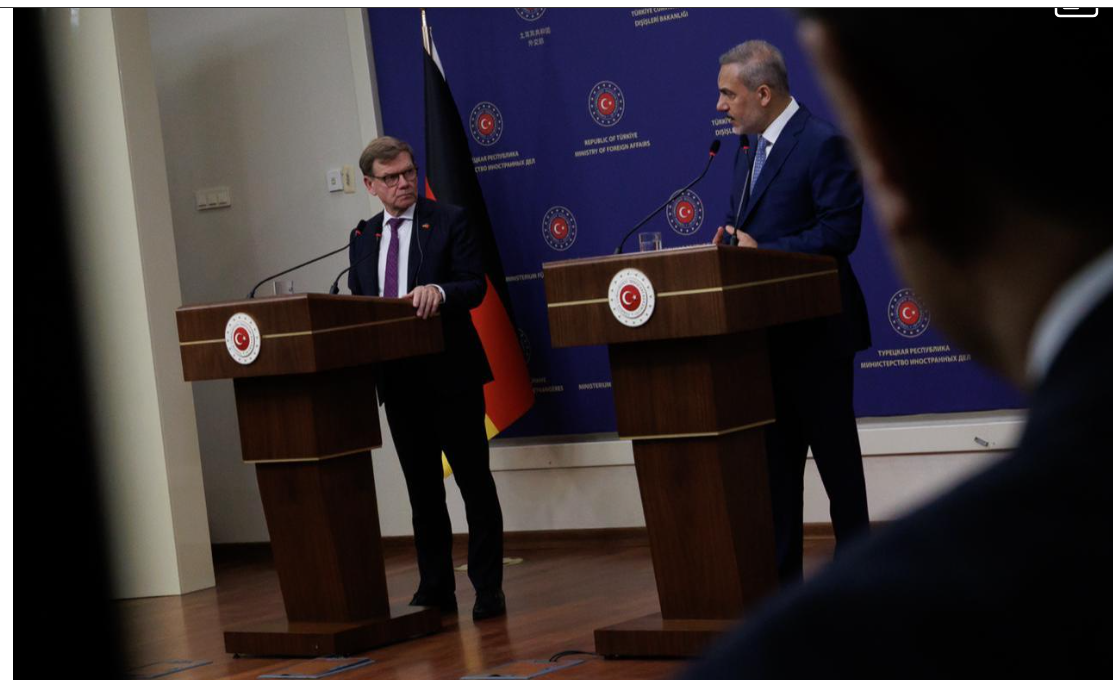
Germany Signals Eurofighter Delivery, Support for Customs Union Renewal
Tim Ash Türkiye Trip Notes: Politics, Markets, and Geopolitics Through a Risk Lens
Türkiye Vows Key Role in Regional Peace Efforts, Criticizes Israel’s Stance on Syria