



Epstein’s “Missing Minute” Exposed: FBI Blunder, Not Conspiracy
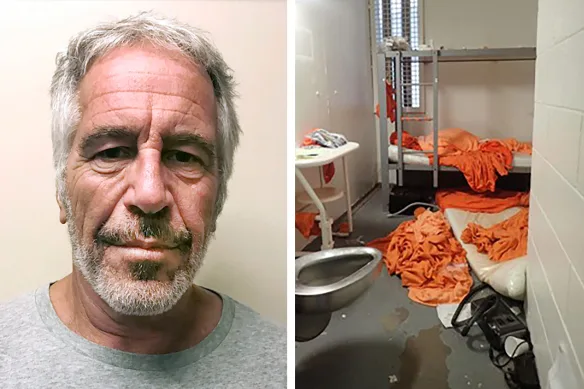 epstein
Newly released documents have shed light on the mysterious 62-second gap in Jeffrey Epstein’s jail cell surveillance footage, concluding that the missing minute stemmed not from foul play but from a chain of technical errors and procedural missteps inside the FBI.
The revelation addresses years of speculation surrounding Epstein’s death in a New York detention facility, where the abrupt jump in video timestamps fueled widespread conspiracy theories. According to the documents, the footage presented to the public was not the original recording but a low-quality screen-capture reconstruction created after the FBI had already destroyed the primary video files.
Original Surveillance Files Were Destroyed
Leaked records show that in June 2024, an FBI agent obtained authorization to destroy the original surveillance recordings—coded “1B60”—which had been stored in a Bronx evidence facility. The destruction was reportedly approved on the grounds that the case was closed and that prosecutors had agreed to the disposal of materials.
However, by mid-2025, the U.S. Department of Justice requested renewed access to the footage, prompting the FBI to urgently reconstruct what had already been deleted.
With the original master copies no longer available, investigators turned to remaining backup files within the prison’s NiceVision digital video recording system. On May 21, 2025, an FBI specialist attempted to recreate the footage using screen capture software.
During that process, the 62-second interval between 23:58:58 and 00:00:00 was not recorded—creating the now-infamous gap.
Midnight “System Reset” Claim Disputed
When the reconstructed footage was made public in July 2025, observers immediately noticed the abrupt timestamp jump. At the time, then–Attorney General Pam Bondi stated that the prison’s surveillance system automatically reset at midnight, resulting in a one-minute loss each night.
However, newly disclosed records indicate that this explanation was based solely on an unverified theory from a video technician and lacked technical verification.
Technology experts interviewed by CBS News dismissed the reset theory as implausible, noting that no modern security system is known to automatically erase a minute of footage during a routine reset cycle.
The documents now clarify that the missing segment was caused by a technical oversight during screen recording, not by a system-wide automated reset.
Editing Complications and Software Issues
Further complications emerged during the FBI’s attempt to process and publish the reconstructed footage.
The reconstruction involved several technical inconsistencies:
Software Compatibility Problems: The initial screen capture format reportedly failed to integrate properly with Adobe Premiere, requiring conversion to a different format before processing.
Cropping and “Padding” Removal: An independent analysis by Wired confirmed that additional visual padding—standard in certain export formats—was trimmed during editing. This process slightly shortened some sequences.
Aspect Ratio Adjustments: Changes in the video’s appearance after midnight were traced to manual aspect ratio corrections applied by FBI technicians to make the footage appear more natural.
Each of these post-production steps contributed to confusion about the video’s authenticity and continuity.
Congressional Release of Full Records
In September, Congress released the full, unedited recordings obtained from archival sources. According to officials, the complete footage demonstrated that no unusual activity occurred in the corridor or inside Epstein’s cell during the missing minute.
The findings effectively undercut claims that the gap concealed suspicious events. Instead, investigators concluded that the missing footage resulted from procedural failures, including premature destruction of primary evidence and flawed reconstruction efforts.
Institutional Oversight and Evidence Handling Questions
While the documents dispel allegations of a deliberate cover-up regarding the missing minute, they raise broader concerns about evidence-retention policies and digital forensic practices within federal agencies.
Destroying original surveillance material before any renewed legal or congressional interest has prompted scrutiny of how sensitive evidence is managed in high-profile cases.
Conspiracy Theories Meet Technical Reality
For years, the unexplained 62-second gap has been a focal point of online speculation. The abrupt timestamp jump and shifting visual quality intensified suspicion.
However, according to newly surfaced documents, the explanation appears procedural rather than conspiratorial: the original files were lawfully destroyed after case closure, and the subsequent screen-recording process failed to capture one minute due to human error.
In a case that continues to draw intense scrutiny, the latest disclosures suggest that the so-called “missing minute” was not evidence of hidden events but rather the result of technical limitations, editing challenges, and flawed evidence-management protocols.