



Energy Price Hikes in Turkey: Costs Set to Rise on April 4
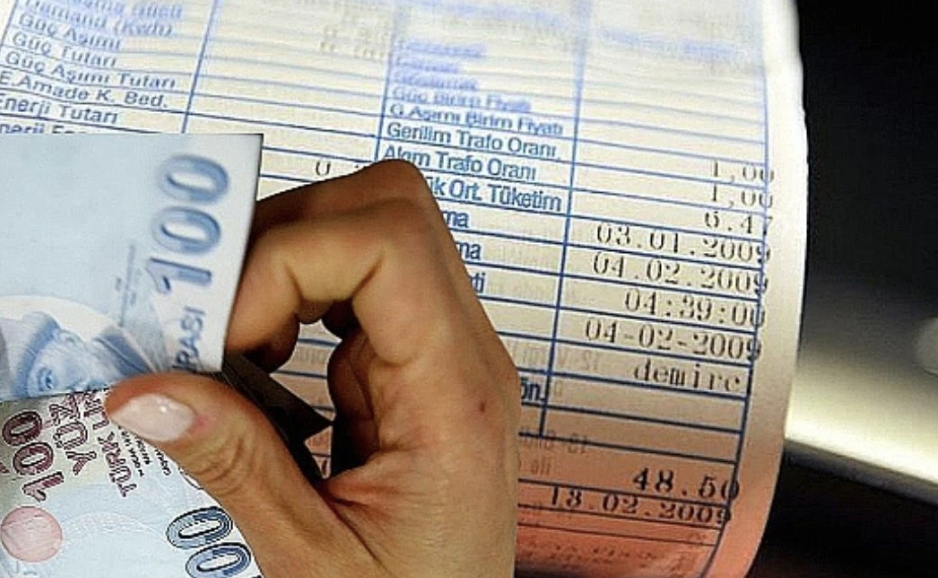 electric bill
The energy price hikes in Turkey are entering a new phase as global geopolitical tensions and rising product costs hit domestic utility bills. Following the surge in diesel prices, which are nearing 80 TL amid US-Israel-Iran tensions, the focus has shifted to residential and industrial energy use. According to reports from the Anka News Agency, a 20-25% increase in both electricity and natural gas is expected to take effect this Saturday, April 4, 2026.
Breakdown of Expected Electricity and Natural Gas Increases
The energy price hikes in Turkey are driven by the government’s inflation targets and rising import costs. The Energy Market Regulatory Authority (EPDK) is meeting today to finalize the new tariffs, while BOTAŞ is conducting similar calculations for gas.
The projected increases are categorized as follows:
-
Electricity for Residences: Expected 25% increase.
-
Electricity for Industry & Businesses: Expected 20% increase.
-
Natural Gas (All Groups): Approximately 20% increase across the board.
-
Ceiling Price (PTF): The ceiling price per MWh is expected to jump from 3,400 TL to between 4,250 TL and 4,500 TL.
-
Distribution Fees: The share taken by local distribution companies could rise by 30-32%.
Transition to the Gradual Tariff System
A critical component of the energy price hikes in Turkey is the move toward a “tiered” or “gradual” tariff system. This model is designed to ensure that those who consume more energy pay a higher rate, effectively reducing state subsidies for high-volume users.
For instance, in major cities like Ankara, if a household exceeds 75% of the determined average consumption, it will lose state support for the excess amount. Officials estimate that between 2.5 and 3 million subscribers will be excluded from the subsidy program in the initial phase. This move aims to balance the budget while encouraging energy conservation across the Turkish economy.
Impact of Global Conflict on Local Utilities
Minister of Energy and Natural Resources Alparslan Bayraktar recently signaled that an evaluation for April was necessary, citing the “black clouds” of the Middle East conflict as a primary driver for rising import costs. As global freight and fuel prices climb, energy price hikes in Turkey reflect the unavoidable pressure on a nation that remains a significant net energy importer.
Starting this Saturday, consumers will see these changes reflected in their billing cycles, marking another step in the government’s effort to align domestic prices with global market realities and fiscal sustainability goals.
Related articles
Affordable meat lines form in front of Turkish state-stores prior to Ramadan

FT: Turkey looks to weather coronavirus crisis without IMF support

Video COMMENTARY: Turkish economy facing sudden stop or stagflation
