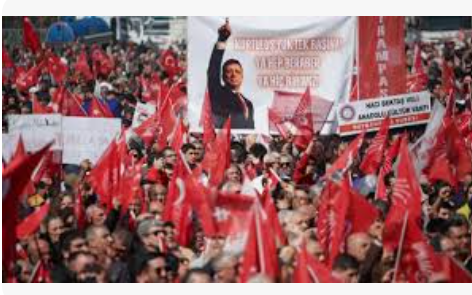
Eleven Left-Wing Parties Urge Government to Accelerate Peace Process in Türkiye
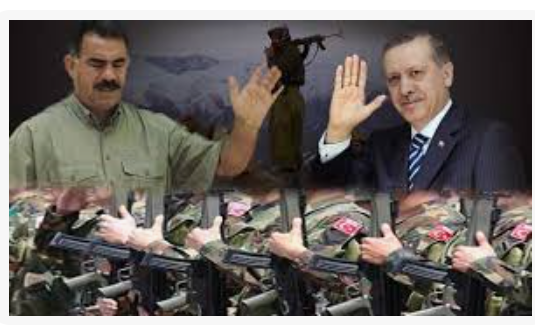 cozum sureci1
A coalition of 11 left-leaning political parties and organizations, including DEM Party, TİP, and EMEP, has called on the Turkish government to move beyond rhetoric and take concrete steps to advance the peace process. The joint statement demands an end to trustee appointments, immediate implementation of top court rulings, and accelerated legislative action to support democratization.
“Goodwill Phase Is Over”
In a joint declaration titled “Urgent Call for Concrete Steps for Peace and Democracy,” the parties argued that the current process can no longer rely on goodwill statements alone.
They accused the government of:
- Reducing the peace process to a security issue
- Avoiding meaningful political steps
- Maintaining exclusionary and confrontational rhetoric
👉 “The point that can be reached with goodwill declarations has already been surpassed,” the statement said.
Broad Coalition of Left-Wing Groups
The declaration was signed by a wide range of political actors, including:
- DEM Party
- Democratic Regions Party (DBP)
- Labor Party (EMEP)
- Workers’ Party of Türkiye (TİP)
- Socialist organizations and alliances
👉 The coalition reflects a unified push from the left for renewed democratic reforms.
Türkiye Moves Ahead In Peace Process With Parliamentary Commission
Four Key Demands
The group outlined four concrete steps it expects from the government:
1. End Trustee Appointments
- Halt the appointment of government trustees to municipalities
- Reinstate elected mayors removed from office
2. Implement Court Rulings
- Enforce decisions by the Constitutional Court and the European Court of Human Rights
- Apply rulings concerning figures such as:
- Selahattin Demirtaş
- Osman Kavala
- Can Atalay
3. Stop Judicial Pressure on Opposition
- End legal operations targeting opposition parties
- Remove threats of party closures and trustee interventions
4. Accelerate Parliamentary Action
- Fast-track legislation on democratization
- Introduce legal frameworks for political transition and integration
“Process Cannot Be Left to Government Hesitation”
The statement also highlighted growing global instability and regional conflicts, arguing that:
👉 The peace process cannot depend solely on what it described as the government’s “delaying and hesitant approach”
The coalition called on:
- Civil society
- Democratic opposition groups
to unite in a broader struggle to secure lasting peace.
Bahçeli Says Regional Turmoil Has Created a New Opening for Türkiye’s Global Ambitions
Parliament Signals Possible Legal Framework
Meanwhile, discussions are underway in the Turkish Parliament regarding a potential legal framework for the peace process.
- A key parliamentary commission is expected to meet next week
- AK Party officials indicate a standalone and temporary law may be introduced before the end of the legislative year
Debate Over Anti-Terror Law
A central issue in the discussions is:
👉 Whether to amend Article 314 of the Turkish Penal Code, which governs terrorism-related offenses
Government officials signal:
- The law will not be fully repealed
- Other militant threats (ISIS, FETÖ, DHKP-C) remain a concern
However, new legal definitions may be introduced if:
- The PKK is officially confirmed to have disbanded
Political Balancing Act
Officials emphasize that:
- Türkiye’s counterterrorism efforts will continue
- Any legal reform must not weaken national security
At the same time:
👉 There is recognition that a new legal framework is needed if armed conflict ends
Timeline and Next Steps
- Draft legislation could be submitted to parliament as early as June
- Initial steps toward normalization may depend on this legal framework
An AK Party official noted:
👉 “Only with a standalone and temporary law can normalization begin.”
Conclusion
Türkiye appears to be entering a critical phase in its peace process:
- Opposition groups are demanding immediate democratic reforms
- The government is signaling cautious legal steps
- The outcome hinges on both political will and security developments
Bottom line:
Momentum is building—but without concrete action, the process risks stalling amid rising political tensions.
Related articles
Tensions rise in Northern Iraq as three Turkish soldiers killed in PKK terrorist attack
CHP Unveils 29-Point ‘Democratisation Package’ at Parliamentary “Peace” Commission

Trustee Appointed to Akdeniz Municipality Following Arrest of Pro-Kurdish Co-Mayors