



Economists Say Turkey’s Pension Increase Falls Short
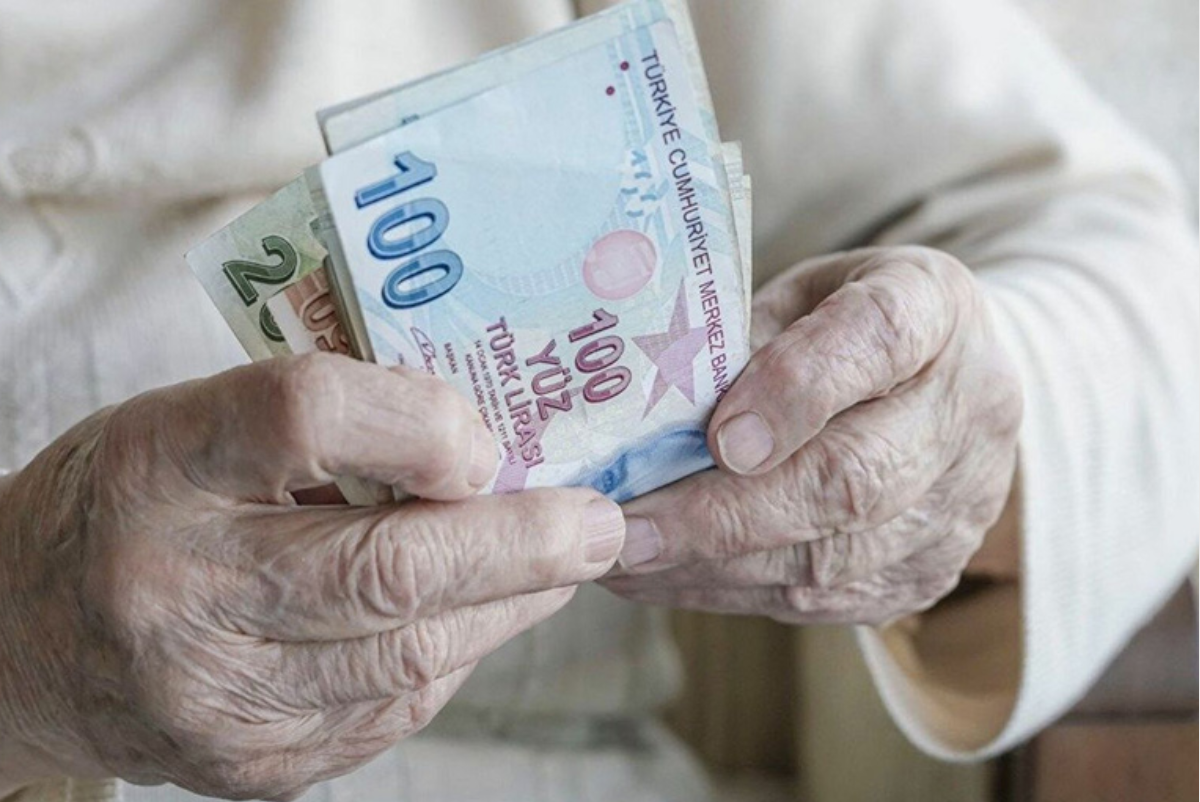 pension raise
Turkey has approved an increase in the minimum pension to 20,000 Turkish lira for 2026, a move that will affect approximately 4.9 million retirees and require 69.5 billion lira in budgetary resources. While the adjustment provides a measurable income boost for low-income pensioners, economists and labor experts argue that the scale of support remains limited when viewed against the broader structure of the national budget.
The increase represents a 18.48% rise in the minimum pension and is part of a broader social spending framework outlined by the government ahead of the 2026 fiscal year. Officials describe the measure as a balance between supporting retirees and preserving fiscal discipline, while critics say it falls short of addressing structural income inequality among pensioners.
Scope and Cost of the Pension Increase
According to the government’s announcement, the revised minimum pension level will apply to retirees receiving the lowest monthly payments under the public pension system. The total fiscal cost of the adjustment has been calculated at 69.5 billion lira, with funding allocated directly from the central government budget.
Despite its broad coverage, the measure applies to roughly 30% of all retirees, meaning the majority of pensioners will not directly benefit from the minimum threshold increase. This limitation has become a focal point in public debate, particularly as inflation continues to erode purchasing power.
Modest Gains in Purchasing Power
Financial markets expert İris Cibre evaluated the increase as symbolically important but economically insufficient. She argued that within a budget exceeding 19 trillion lira, allocating 69 billion lira to low-income retirees should be viewed as an investment in social stability rather than a fiscal burden.
Cibre emphasized that even with the increase, the minimum pension remains below the hunger threshold, pointing to persistent inequality within the pension system tied to contribution periods and premium structures. In her assessment, the increase effectively allows the lowest-income pensioners to afford little more than an additional kilogram of meat per month. While this improvement is meaningful at a basic level, she stressed that it does not constitute a sustainable solution.
Comparisons With Interest Spending Draw Criticism
Labor economist Prof. Dr. Aziz Çelik offered a sharper critique, framing the pension increase as negligible relative to government interest expenditures. He highlighted that the state is expected to allocate approximately 2.7 trillion lira to interest payments, making the pension adjustment equivalent to only about 2.5% of total interest spending.
Çelik also underlined that the policy targets fewer than one-third of retirees, arguing that a truly comprehensive reform would require broader coverage and a more ambitious redistribution of resources. In his view, the increase does little to correct long-standing imbalances in the pension system.
Economist Mustafa Sönmez echoed similar concerns, questioning the narrative of generosity surrounding the adjustment. He pointed out that within a 20.5 trillion lira budget, interest payments are projected to reach nearly 3 trillion lira, accounting for around 14.6% of total spending. By comparison, the funds allocated to support minimum pensions amount to roughly 2% of what is spent on interest, reinforcing criticism that retirees remain a low priority in fiscal planning.
Government Defends Fiscal Balance Approach
Senior government officials have defended the policy by emphasizing the need to maintain budget discipline. Vice President Cevdet Yılmaz previously stated that work on pension adjustments had been conducted jointly by the Ministry of Treasury and Finance and the Ministry of Labor and Social Security, with findings shared with parliamentary leadership.
Yılmaz indicated that while the government recognizes the challenges faced by retirees, any increase must be implemented within the limits of available resources and without undermining fiscal balances. He described the approach as an effort to reach an “optimal point” that supports pensioners while safeguarding macroeconomic stability.
Broader Implications for Social Policy
The pension increase has reignited discussions about social spending priorities, income distribution, and the long-term sustainability of Turkey’s pension system. Analysts note that while incremental increases help cushion short-term hardship, they do not address deeper structural issues such as unequal benefit formulas, rising living costs, and demographic pressures.
As inflation remains elevated and household expenses continue to rise, retirees are expected to remain among the most vulnerable economic groups. The contrast between social transfers and debt servicing costs has further intensified scrutiny of fiscal choices heading into 2026.
A Measure With Mixed Reception
In practical terms, the new minimum pension level will provide immediate relief to millions of retirees struggling with basic expenses. However, the broader consensus among independent economists suggests that the increase is necessary but not sufficient.
The coming months are likely to see continued debate over whether future budgets should reallocate resources more aggressively toward social protection. For now, the 20,000-lira minimum pension stands as a politically and socially significant step—one that highlights both the government’s willingness to act and the limits of its current approach.