Domestic Fuel Price Stabilization Measures Implemented: VP
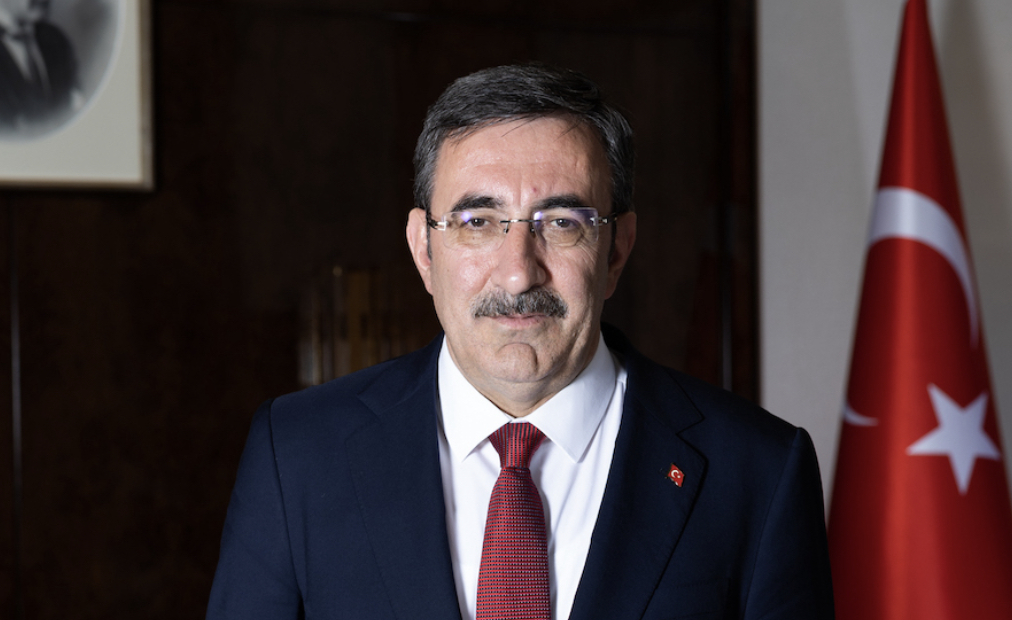 Cevdet Yılmaz
Vice President Cevdet Yılmaz has announced that the government is taking decisive action to shield the national economy from global energy volatility. To counter rising oil costs triggered by regional conflicts, the domestic fuel price stabilization strategy now centers on temporarily activating the “Eşel Mobil” system. This fiscal tool allows the government to absorb a significant portion of international price hikes through the national budget, preventing the full weight of global supply shocks from reaching the citizens’ pockets at the pump.
Strategic Fiscal Buffers for Domestic Fuel Price Stabilization
According to Vice President Yılmaz, the current global economic climate is defined by heightened geopolitical tensions and regional wars, which pose upward risks to inflation worldwide. In response, Turkey’s economic coordination units have prioritized domestic fuel price stabilization to maintain market predictability. By utilizing the budget as a “kalkan” (shield), the state is effectively capping the reflection of global crude oil surges on domestic transportation and logistics costs.
This intervention comes as March 2026 inflation figures showed a monthly increase of 1.94%, with the annual rate retreating to 30.87%. While transportation costs saw upward pressure due to global energy trends, the overall rise in service inflation has slowed compared to previous months. Yılmaz noted that the government’s holistic approach, combining monetary, fiscal, and income policies, is designed to maintain economic resilience against these external “supply shocks.”
Broadening the Inflation Fight Beyond Energy
While domestic fuel price stabilization remains a primary focus in the short term, the Vice President highlighted several supply-side initiatives aimed at cooling long-term prices. The Turkish government is doubling down on investments in renewable energy, logistics infrastructure, and food supply chains to reduce structural costs.
Furthermore, social housing projects are being accelerated to balance the housing market, a major driver of service inflation. “Our economic program’s main priority is the fight against inflation,” Yılmaz stated, emphasizing that the normalization of food prices, particularly in fresh produce and processed goods, is already yielding positive results. By integrating these structural reforms with temporary fiscal measures like Eşel Mobil, the administration aims to ensure that the downward trend in annual inflation remains sustainable despite the turbulent global landscape.