



Diversion Model Gains Ground in Turkey’s Juvenile Justice Reform
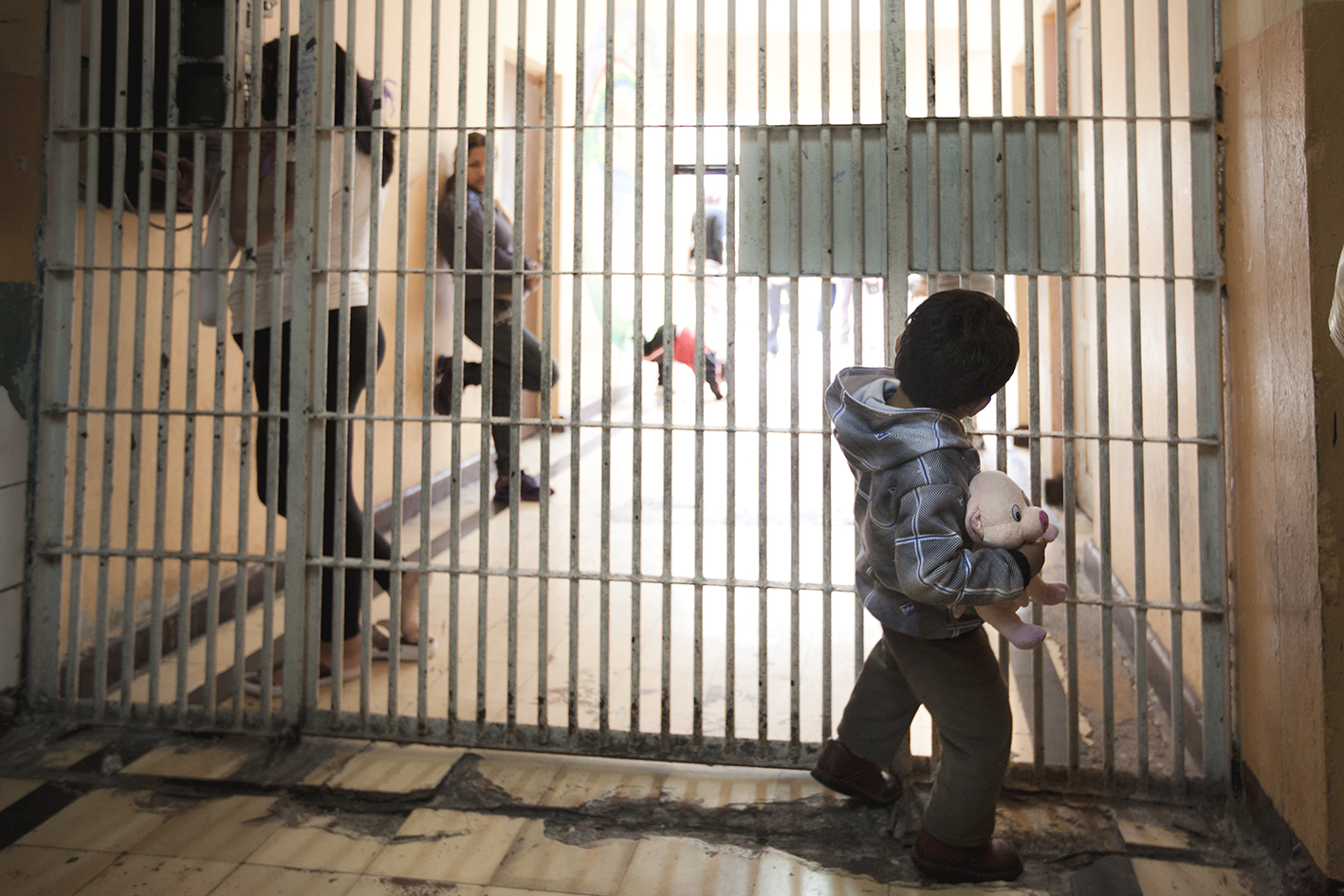 Children Prisons
A growing debate within Turkey’s Parliament is reshaping the future of the country’s juvenile justice system, as lawmakers and experts explore replacing traditional court proceedings with a “diversion” model focused on restorative justice and parental accountability. Discussions held under the roof of the Turkish Grand National Assembly (TBMM) signal a potential shift away from punitive frameworks toward internationally tested rehabilitation-based approaches.
The parliamentary commission established to modernize the child justice system recently hosted a series of presentations outlining structural reforms. Among the contributors were Saliha Merve Kaya from Ibn Haldun University and senior officials from the Ministry of Justice. The discussions drew heavily on the United Kingdom’s diversion practices, offering comparative insights for Turkey’s legal roadmap.
From “Dragged Into Crime” to “Child Involved in Crime”
One of the key themes emphasized during the session was the importance of terminology in shaping public perception and policy direction. According to reports, Saliha Merve Kaya argued that the commonly used phrase “children dragged into crime” should be replaced with “children involved in crime,” suggesting the latter is more constructive and less stigmatizing.
Kaya highlighted the British system, where the age of criminal responsibility is 10, yet most children do not appear in court. Instead, they are directed to structured intervention programs known as diversion schemes.
Her remarks underscored the need for Turkey to reassess whether formal courtrooms serve as effective deterrents—or whether alternative mechanisms better support long-term reintegration.
What Is the Diversion Model?
The diversion model prioritizes early intervention, rehabilitation, and restorative justice over formal prosecution. Rather than initiating full judicial proceedings for minor offenses, authorities guide children toward corrective programs designed to prevent reoffending.
The model rests on several core pillars:
Criminal Record Protection: For minor offenses, violations are handled through community-based rehabilitation rather than being permanently recorded in a criminal registry. This reduces long-term stigma and protects future educational and employment prospects.
Restorative Justice: Children may be encouraged to directly confront the consequences of their actions. This can include apologizing to victims, compensating for damages, or participating in structured reconciliation sessions.
Parental Responsibility: Families found negligent in supervising their children may face financial penalties. In the UK example cited during the meeting, fines of up to £1,000 can be imposed on parents who fail in their supervisory responsibilities.
By focusing on accountability without criminalization, diversion aims to prevent children from becoming entrenched in the justice system at an early age.
“Courtrooms Do Not Deter—They Label”
Meral Gökkaya, Head of the Department of Judicial Support and Victim Services at the Ministry of Justice, challenged the widely held belief that bringing minors before a judge deters criminal behavior.
“Bringing a child before a court, contrary to what is claimed, does not deter; on the contrary, it traps the child within the system,” she said during the commission meeting.
Her comments reflect a growing body of research suggesting that early exposure to formal judicial processes may increase, rather than reduce, the risk of repeat offenses.
Gökkaya detailed the kinds of obligations children may face under a diversion framework:
“A child may be asked to apologize to the victim, return stolen property, or work in a public service role. These methods ensure that the child confronts their offense and reintegrates into society much faster than through court proceedings.”
The emphasis is on accountability paired with reintegration rather than punishment alone.
International Models and Turkey’s Reform Path
Countries such as the United Kingdom, Canada, and several European Union members have adopted forms of restorative juvenile justice, reporting lower recidivism rates among youth processed through diversion programs compared to traditional prosecution.
Supporters argue that removing children from adversarial courtroom environments reduces stigmatization and prevents the “labeling effect,” in which a child begins to internalize a criminal identity.
In the Turkish context, reform discussions are framed as part of a broader modernization of the child justice system, aligning with international standards that prioritize children’s rights, proportionality, and rehabilitation.
However, implementing such reforms would require legislative amendments, institutional coordination, and training across law enforcement, judicial, and social services institutions.
A Systemic Shift or Incremental Reform?
The debate at TBMM signals openness to systemic transformation rather than incremental adjustments. Moving toward a diversion-based juvenile justice system would mark one of the most significant shifts in Turkey’s approach to child-related offenses in decades.
Proponents argue that early intervention, restorative dialogue, and structured mechanisms for parental responsibility can reduce recidivism while preserving children’s future opportunities.
Critics, however, may question how effectively such programs could be monitored and whether sufficient institutional capacity exists to manage non-judicial interventions nationwide.
As discussions continue, the core question remains: does placing a child in a courtroom correct behavior—or does it deepen involvement in the criminal system?