DIŞYÖNDER Warns of Global Trade Shifts and Recession Risks
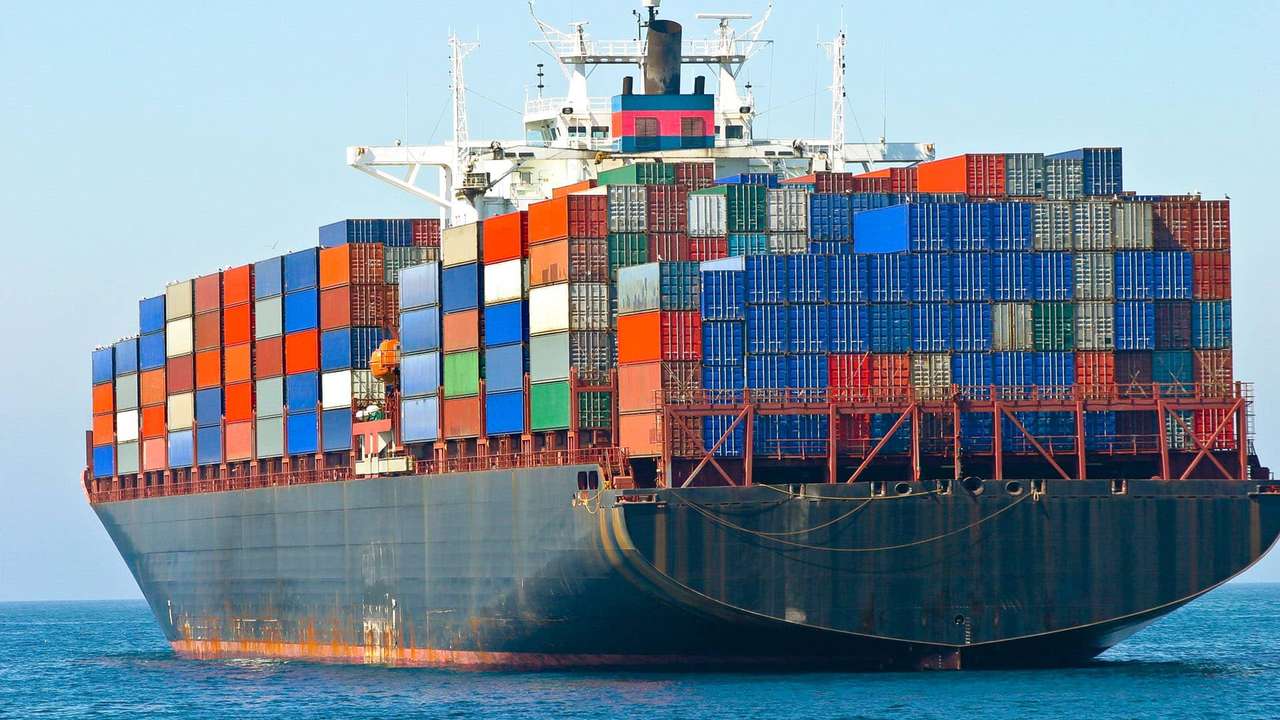 foreign trade
The global economic landscape is entering a volatile new phase as geopolitical tensions escalate into potential direct armed conflicts. According to Dr. Hakan Çınar, President of the Association of Those Who Shape Foreign Trade (DIŞYÖNDER), the world is shifting from traditional battlefields to an economic arena of struggle. With critical trade routes and energy corridors under threat, the risk of a global recession is mounting, particularly if oil prices breach the $100 per barrel threshold.
Energy Corridors and Logistics Under Fire
A primary concern for the global economy is the safety of the Strait of Hormuz, a vital artery through which roughly 20% of the world’s oil supply flows. Any disruption here would trigger a rapid spike in energy costs, fueling global inflation and forcing central banks to maintain aggressive, tight monetary policies.
Beyond energy, the “wartime environment” is expected to cripple global logistics networks. Analysts warn of:
-
Skyrocketing Freight Costs: Similar to the pandemic era, maritime transportation expenses could multiply.
-
Rising Insurance Premiums: Risk surcharges will inevitably make international trade more expensive.
-
Extended Delivery Times: Supply chain delays will weaken the competitiveness of global exporters.
Impact on Turkey: Risks and Strategic Resilience
For Turkey, the onset of a global war economy presents a dual-edged sword. While rising energy import costs and a widening current account deficit pose significant threats to the nation’s fight against inflation, the crisis also offers a chance to reposition the nation strategically. Dr. Çınar notes that energy-intensive industries, such as chemicals and plastics, are most vulnerable, especially if the European Union—Turkey’s largest export market—enters a deep recession.
“Today, wars are won not only on the battlefield but also in the economy. Countries that control energy, manage logistics, and sustain production will be the winners of the new era,” stated Dr. Hakan Çınar.
In this high-risk environment, safe-haven assets such as gold and the US dollar are expected to appreciate, putting further pressure on emerging-market currencies. Turkey’s ability to turn these risks into opportunities will depend on its economic resilience and its capacity to maintain production strength while navigating the shifting trade balances of a new world order.