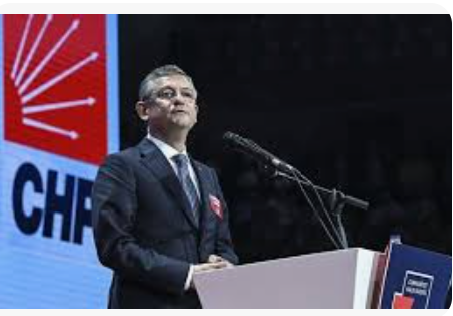
Digital Crackdown Expands in Türkiye Following İmamoğlu Case, Hundreds of Accounts Blocked
 muhalefet bedel
One year after the detention of Istanbul Mayor Ekrem İmamoğlu, Türkiye has seen a sweeping expansion of digital censorship. Hundreds of social media accounts, news outlets, and websites have been blocked, largely targeting content related to protests and criticism of the government. Authorities cite national security concerns, while opposition figures and journalists argue the measures are politically motivated and aimed at suppressing dissent.
One year on, İmamoğlu case remains central
On March 19, 2025, Istanbul Metropolitan Municipality (İBB) Mayor Ekrem İmamoğlu and 106 others were detained on a range of charges, including corruption and alleged links to terrorism.
Since then, the case has evolved into what is now widely referred to as the “İBB trial,” dominating Türkiye’s political agenda for a full year.
The period has been marked by repeated operations, protests, arrests, and ongoing investigations — alongside a parallel escalation in online censorship.
Social media restrictions began immediately
Digital restrictions were first imposed on the day of the arrests, with major social media platforms partially blocked for 42 hours.
Since then, broad restrictions have given way to more targeted access bans that continue to this day.
In total, 718 pieces of digital content have been blocked, with authorities consistently citing “national security and public order” as justification.
Hundreds of accounts targeted
The majority of blocked content consists of social media accounts:
- 656 accounts blocked across platforms
- 639 on X (Twitter)
- 12 on Instagram
- 5 on Facebook
Most of these accounts shared two characteristics:
- Support for protests following the March 19 detentions
- Coverage or reporting on protest developments
Notably, 648 of the blocked accounts were restricted during the protest period itself.
Journalists and media outlets affected
The crackdown has also extended to the press.
- 18 newspapers (21 accounts)
- 12 journalists
- 3 magazines
have faced access restrictions.
Among those affected are both institutional media outlets and independent journalists, highlighting the breadth of the measures.
İmamoğlu’s accounts among those blocked
Ekrem İmamoğlu himself has been directly targeted by access bans.
- His main X account, with around 10 million followers, was blocked in April 2025
- His English-language account (@imamoglu_int) was also restricted shortly after
- Additional campaign-related accounts were blocked later in November
Accounts belonging to close associates, including former İBB Media executive Murat Ongun, were also affected.
Opposition boycott campaigns restricted
The judiciary has also moved against opposition-led initiatives.
Following the March 2025 events, the CHP launched boycott campaigns targeting pro-government companies, supported by dedicated websites listing brands.
These sites were repeatedly blocked, with a total of eight versions taken offline in succession.
A separate website created to challenge the legal basis of the İBB indictment was also blocked shortly after launch.
News content also restricted
Censorship has not been limited to accounts and websites.
At least five separate access ban decisions have targeted news articles and social media posts related to the detentions and protests, affecting dozens of pieces of content.
Journalists: “Censorship has become systematic”
Journalists affected by the bans describe the measures as part of a broader state policy.
Onur Dalar, whose account was blocked, argued that authorities have “professionalized censorship,” leaving no space for independent reporting.
Another journalist, Nisanur Yıldırım, said restrictions intensified after March 19, affecting a wide range of views and content.
She questioned the official justification, asking whether journalism itself could genuinely threaten national security.
Akın Gürlek Under Scope: Özel Levels “Judicial Gang” Allegations
Opposition: The only goal is to obscure the truth”
Opposition figures have strongly criticized the restrictions.
CHP Deputy Chair Gökçe Gökçen said the bans are politically motivated, aimed at:
- Concealing alleged corruption
- Preventing exposure of weak or inconsistent accusations
Similarly, CHP lawmaker Utku Çakırözer described the restrictions as the “digital leg” of what he called the March 19 “coup,” arguing that the goal is to suppress information that could undermine the case.
Kısa Dalga, Ali Sefa Korkut, excerpt
PA Turkey intends to inform Turkey watchers with diverse views and opinions. Articles in our website may not necessarily represent the view of our editorial board or count as endorsement.
Follow our English YouTube channel (REAL TURKEY):
https://www.youtube.com/channel/UCKpFJB4GFiNkhmpVZQ_d9Rg
Twitter: @AtillaEng
Facebook: Real Turkey Channel: https://www.facebook.com/realturkeychannel/
Related articles
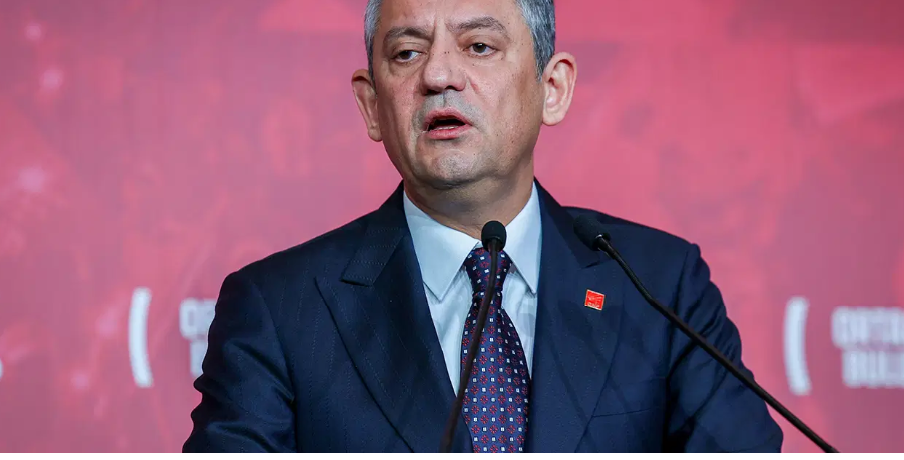
CHP Leader Özel Committed to İmamoğlu’s Candidacy: “No Plan B, Only İmamoğlu”
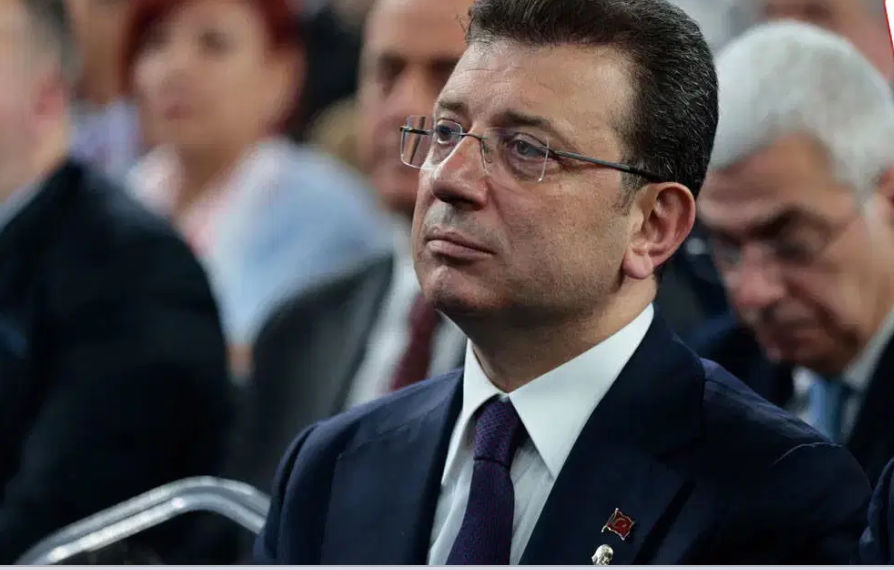
Ekrem İmamoğlu Writes from Prison: Public Institutions, Credibility and What the Data Really Shows
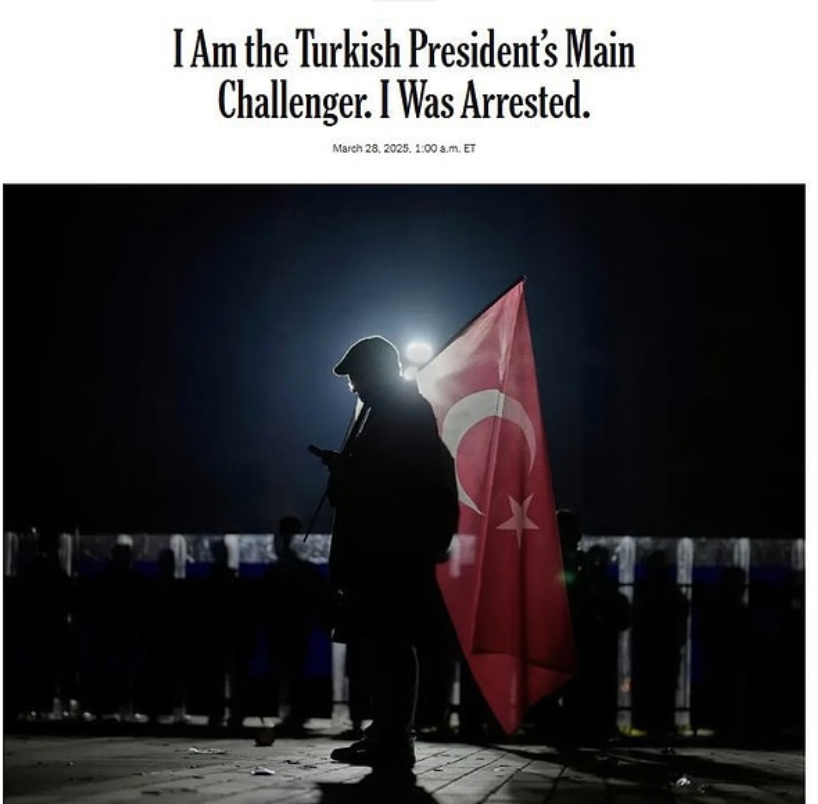
Ekrem İmamoğlu’s letter to NY Times: “Erdogan Regime Trying to Eliminate Me Through Law”