



Diesel Shock at the Pump: Why Prices Are Set to Jump Again This Week
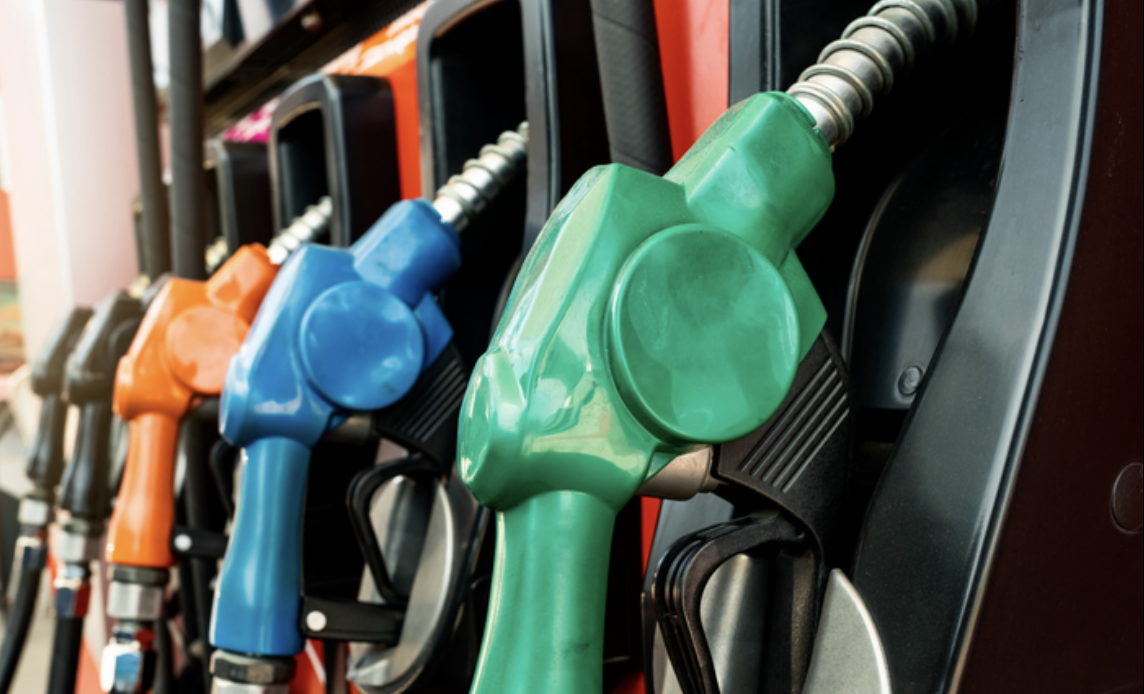 Gas Prices
Volatility in international energy markets continues to ripple directly into fuel prices, and Turkey is once again feeling the impact at the pump. Recent movements in the Genoa fuel market, combined with fluctuations in the exchange rate, have paved the way for a new price adjustment—this time hitting diesel users the hardest. According to sector sources, station price boards are about to change again, bringing unwelcome news for millions of drivers.
After a brief period in which gasoline prices saw both increases and partial pullbacks, the focus has now shifted decisively to diesel (motorin). Rising Brent crude prices and higher international refined product costs are driving a fresh hike that is expected to take effect midweek.
Diesel Prices Set to Rise by TRY 1.15 Per Liter
Industry insiders report that starting Wednesday, diesel prices will increase by TRY 1.15 per liter. This adjustment is directly linked to the upward trend in Brent crude oil and the cost of processed petroleum products traded on global markets. In contrast, no immediate price changes are expected for gasoline or LPG, at least for now.
As often happens ahead of fuel hikes, drivers are expected to rush to stations to fill their tanks before the new prices take effect. Diesel, which plays a critical role in private vehicles, transportation, logistics, and agriculture, remains particularly sensitive to global cost pressures.
Diesel Approaches—and Exceeds—Critical Price Levels
With the incoming increase, diesel prices in Istanbul are expected to approach the TRY 56 per liter threshold, while many cities across Anatolia are likely to surpass it. In several provinces, diesel prices are already hovering close to record levels, making the upcoming adjustment especially noticeable.
Fuel prices in Turkey are calculated through a layered structure. First, the tax-free refinery price is determined. On top of this, the Special Consumption Tax (ÖTV) and the Energy Market Regulatory Authority (EPDK) share are added, resulting in the refinery sale price before VAT. Finally, Value Added Tax (KDV) and distribution company margins are included, resulting in the pump price consumers see.
Because distribution margins vary slightly between companies and regions, minor price differences of 1–2% can be observed between cities and even between stations within the same city.
Why International Markets Matter So Much
Turkey’s fuel pricing mechanism is highly sensitive to international benchmarks. The Genoa market, a key reference point for Mediterranean fuel trade, has seen prices rise in recent days. At the same time, currency volatility has amplified the impact of these increases domestically.
As a net energy importer, Turkey remains exposed to both global oil price fluctuations and exchange rate movements. Even modest changes in either factor can quickly translate into pump price adjustments, particularly for diesel, which carries higher taxes and higher consumption volumes.
City-by-City Snapshot Before the Hike
Before the latest increase takes effect, fuel prices across major cities already show significant variation. In Istanbul, gasoline prices hover around TRY 54 per liter, while diesel is already nearing TRY 55. In Ankara, diesel prices are close to TRY 56, and in Izmir, diesel has already crossed that level in some districts.
In eastern and southeastern provinces such as Ağrı, Hakkari, Şırnak, and Van, diesel prices are notably higher, reflecting transportation costs and distribution dynamics. In these regions, diesel is already well above TRY 57 per liter, meaning the new hike will push prices even further.
LPG prices, while comparatively more stable, also show regional differences, ranging roughly from TRY 28.5 to TRY 30.5 per liter.
What This Means for Consumers and the Economy
The diesel increase is likely to have effects beyond individual motorists. Diesel is a key input cost for freight transport, public transportation, agriculture, and construction, meaning higher prices can gradually feed into broader inflationary pressures.
While gasoline and LPG users are spared for now, market watchers caution that continued volatility in oil prices or exchange rates could trigger further adjustments in the coming weeks. The absence of a gasoline hike this time does not guarantee price stability in the near term.
For consumers, the message is increasingly familiar: fuel prices remain highly volatile, driven more by global forces than by domestic demand. Each movement in Brent crude or refined product markets can alter pump prices with little warning.