DEM P/Tuncer Bakırhan Criticizes Defense Minister’s Tone, Urges Ankara to “Stop Wagging Its Finger at Kurds”
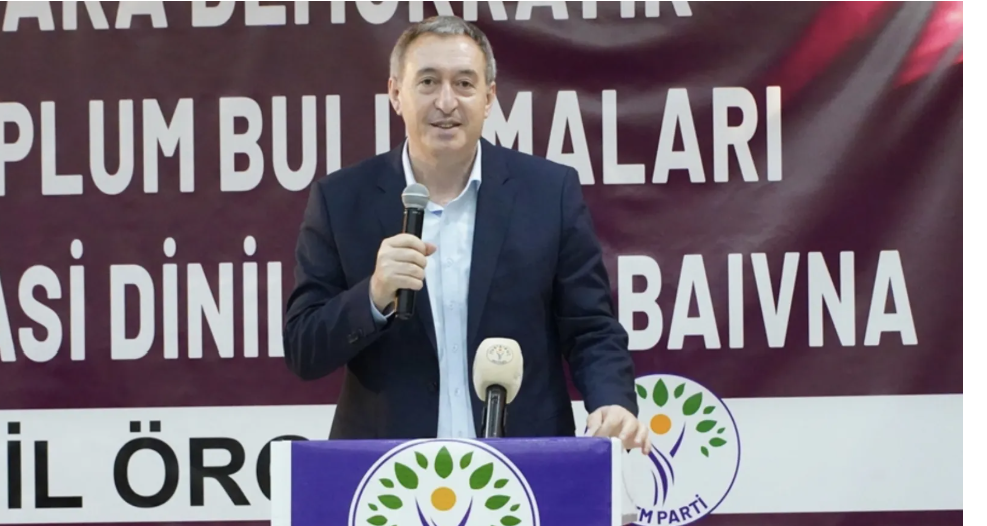 tuncer bakırhan
DEM Party Co-Chair Tuncer Bakırhan accused Türkiye’s National Defense Minister of using language incompatible with the current political process, calling on Ankara to abandon what he described as a confrontational stance toward Kurds. Speaking at a public meeting in Siirt, Bakırhan addressed domestic democratization efforts, the status of removed Kurdish mayors, language rights, and recent developments in Syria following the January 30 agreement between the Syrian government and the Syrian Democratic Forces (SDF). He argued that Kurds had fulfilled their part in what he called a “sincerity test” and urged the government to take reciprocal democratic steps.
Call for Democratic Reform in Parliament
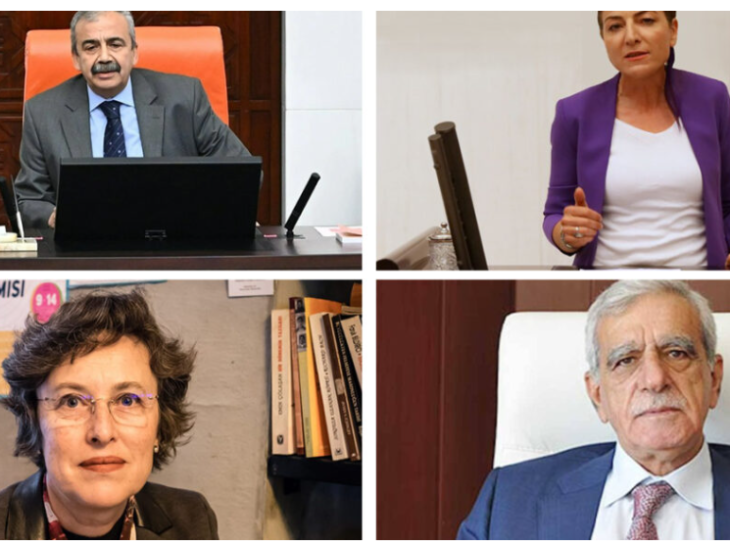
Bakırhan spoke at a public gathering organized by the DEM Party in Siirt, attended by party officials including Van MP Pervin Buldan. He referred to the work of the parliamentary “National Solidarity, Brotherhood and Democracy Commission,” recently established in the Turkish Grand National Assembly.
According to Bakırhan, the commission’s draft report contains significant proposals related to democratization, legal reform, and rights-based governance.
“If the report is interpreted with democratic reason and the appropriate steps are taken, Türkiye will breathe more easily and democracy will benefit,” he said. He described the document as too substantial to be “set aside” and argued that meaningful implementation could mark a critical turning point.
Yavuz Baydar: Peace Commission Report Is a Blueprint for “Neutralizing Opposition”
Demand for Reinstatement of Removed Mayors
Bakırhan also addressed the removal of DEM-affiliated mayors and their replacement by state-appointed trustees (kayyım). He said the return of elected municipal co-mayors would be a key indicator of political sincerity.
“If this process is a test of sincerity, Kurds have fulfilled it more than sufficiently,” he said, calling for trustees to be withdrawn and elected officials reinstated.
He outlined what the party understands by “democratic integration,” including:
-
Protection of mother-tongue education rights
-
Strengthening of local democracy
-
Ending discriminatory policies
“The values of this country are sufficient for all of us,” Bakırhan added, saying the goal was not confrontation but coexistence.
Language Rights and Religious Framing
Bakırhan emphasized that language is a “birthright,” referencing language protections mentioned in the parliamentary report.
“In this month of Ramadan, there must be respect for the language granted to Kurds,” he said, framing linguistic rights in both religious and universal human rights terms. He argued that the right to education in one’s mother tongue should not be denied to any people in the 21st century.
He also expressed solidarity with other communities worldwide whose languages have faced suppression.
How Erdoğan/AKP View the Peace Commission Report: Vague Support, Many Unknows
Syria and the January 30 Agreement


Bakırhan commented on the January 30 agreement between the Syrian government and the Syrian Democratic Forces (SDF), describing it as a significant development.
He said the deal marked a departure from what he characterized as historical attempts to marginalize Kurdish political status in Syria. According to Bakırhan, Kurdish political and diplomatic efforts—led by figures such as SDF commander Mazloum Abdi and Ilham Ahmed—had helped secure international recognition.
He pointed to meetings at the Munich Security Conference, where Kurdish representatives engaged with international officials, as evidence of growing legitimacy.
Bakırhan argued that Kurdish participation in Syrian governance, local administration, and security structures represents an important step toward political normalization. He expressed hope that the new Syrian authorities would avoid repeating the centralized policies of the Assad era and instead implement a more inclusive framework.
“A democratic Syria benefits everyone, including Türkiye,” he said, warning that renewed instability would once again generate displacement and regional strain.
Criticism of the Defense Minister
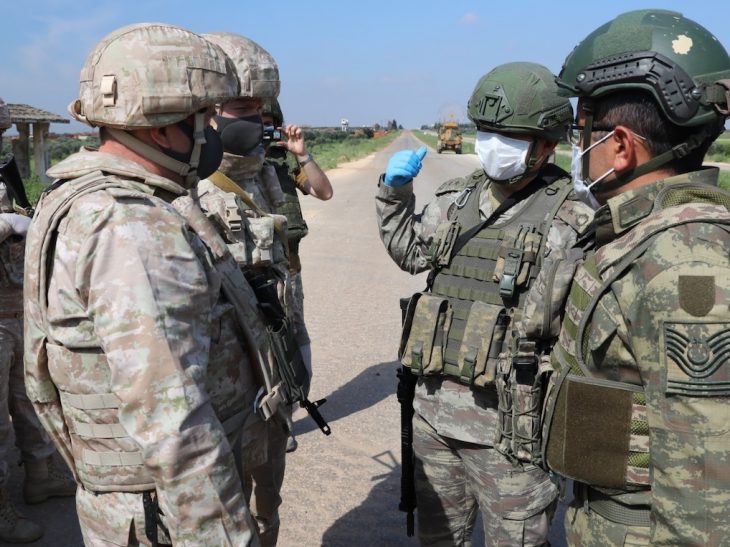
Bakırhan criticized National Defense Minister Yaşar Güler, saying the minister’s rhetoric did not reflect the spirit of the ongoing process.
He rejected claims circulating on social media that Kurdish forces in northern Syria had “lost,” arguing instead that the January 30 agreement represented a political gain.
“The world recognizes Mazloum Abdi,” Bakırhan said, objecting to continued references to Kurdish Syrian leaders as terrorists. He also noted that integration discussions between the SDF and Damascus have been ongoing for months, calling recent official statements redundant.
“There should be democratic integration,” he said, stressing equal citizenship within Syria’s future political system.
Appeal to President Erdoğan
From Siirt—a province where President Recep Tayyip Erdoğan was once elected as an MP—Bakırhan directly addressed the president.
“Ankara must stop wagging its finger at Kurds,” he said. Instead of issuing briefings that portray Kurds as a threat, he urged authorities to focus on peace, coexistence, and democratic reform.
He said the current period should be used to abandon what he described as a “denialist” and “monist” mindset and to strengthen dialogue.
Reference to Öcalan’s Call
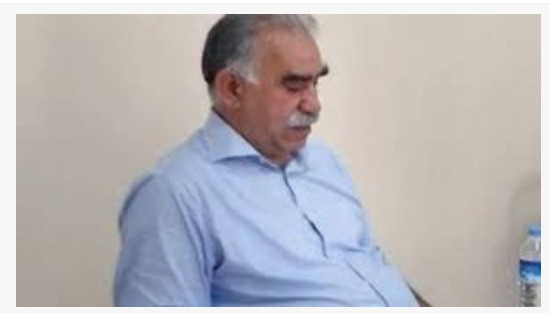
Bakırhan also referenced a February 27 statement by imprisoned PKK leader Abdullah Öcalan, saying it represented a shift from armed struggle toward dialogue and negotiation.
He argued that Kurdish society had taken the call seriously and that reciprocal steps were needed, including an end to isolation policies and rhetoric portraying Kurds as a security threat.
“There is no longer a need for denial, nor for presenting Kurds as a threat in official briefings,” he said.