



Davutoğlu Admits Financial Strain: “I Am Experiencing Financial Difficulties”
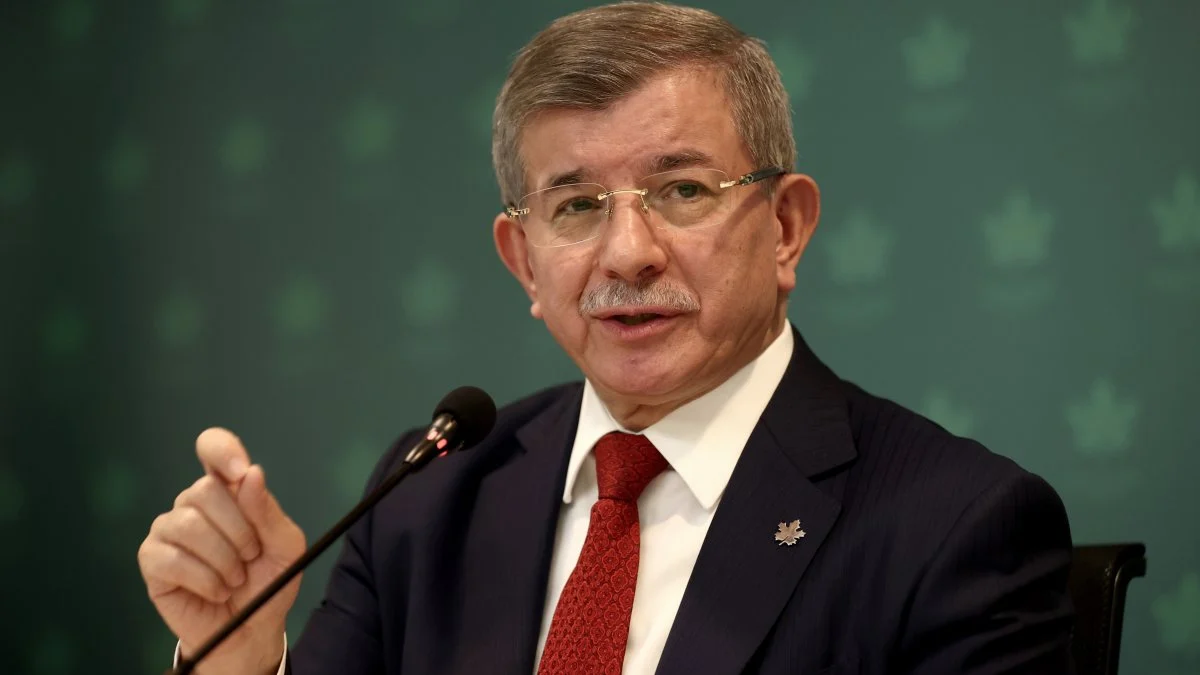 Ahmet-Davutoglu
Leader of the Gelecek Partisi and former Turkish Prime Minister Ahmet Davutoğlu has revealed that he is facing financial difficulties, saying he has rejected lucrative consultancy offers out of respect for state tradition and ethical responsibility.
Speaking on NOW TV’s morning program “Çalar Saat,” Davutoğlu addressed both his personal economic situation and broader concerns about the conduct of former senior officials in Turkey’s political system.
“Representation as a Former Prime Minister Is Costly”
Davutoğlu criticized the practice of former ministers joining corporate boards, questioning the ethical implications of such transitions.
“Former ministers become board members of companies. A former Minister of Transport joins the board of a consortium that another company is negotiating with. This should not happen. Why would a minister accept this?” he said.
He argued that former high-ranking officials must protect the state’s institutional dignity even after leaving office.
Turning to his own situation, Davutoğlu acknowledged the financial burden of maintaining the level of representation expected of a former prime minister.
“I am not without difficulty when it comes to fulfilling the representational responsibilities of a former prime minister. You have to host foreign guests in a manner befitting a prime minister. There are aspects of this situation that challenge me. We are managing with our own limited means.”
Rejecting Lucrative Consultancy Offers
Davutoğlu stated that he continues to receive offers from international organizations and companies for paid speaking engagements and consultancy roles. However, he said he has consistently declined them for ethical reasons.
“Do you think I don’t receive offers? I currently receive many offers. They pay significant amounts for delivering two or three conferences a year. Consultancy proposals come as well. But you cannot do that. A Prime Minister of the Republic of Türkiye does not receive a salary from another company.”
He framed his decision as a matter of principle rather than personal sacrifice, emphasizing the symbolic weight carried by someone who has held the country’s highest executive office.
“Frankly, I Am Experiencing Financial Difficulties”
In one of the most striking moments of the interview, Davutoğlu openly acknowledged financial strain.
“Do you think I don’t get offers? Frankly, I am experiencing financial difficulties. My wife and I both work. I am not without difficulty in fulfilling the representational capacity of a former prime minister. I am not saying this to complain. We manage with our own means, but if former ministers start working with companies due to livelihood concerns, the dignity of the state would be damaged.”
His remarks sparked renewed debate over post-office ethics, financial transparency, and the expectations placed on former senior officials in Turkey.
Broader Criticism of the Presidential System
Davutoğlu also criticized Turkey’s current presidential system, arguing that blurred boundaries between public office and private sector roles risk undermining public trust.
He suggested that clearer ethical standards should govern the transition from public office to private enterprise, particularly for those who have held cabinet-level or prime ministerial roles.
The discussion comes at a time when questions about governance standards and political accountability remain central to Turkey’s public discourse.
Ethics vs. Economic Reality
Davutoğlu’s comments highlight a broader tension between ethical expectations and financial realities faced by former officials. While some countries provide structured post-office arrangements, others rely largely on informal norms.
By publicly acknowledging financial hardship while rejecting corporate income, Davutoğlu positioned his stance as one grounded in institutional respect rather than political messaging.
Whether his remarks will influence the debate on political ethics remains to be seen. What is clear is that his candid admission has reopened discussion about the responsibilities, limitations, and financial challenges of life after high office in Turkey.