Data Centers Emerge as a New Frontline in Geopolitical Conflict
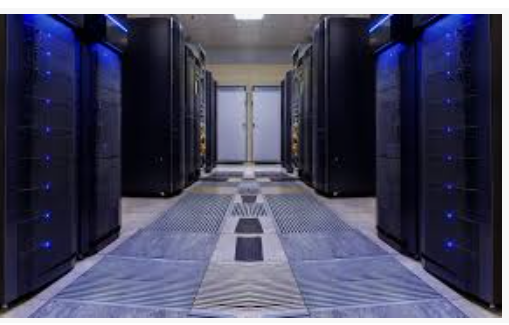 veri merkezi
Rising tensions in the Middle East have exposed a new and critical vulnerability in the global economy: digital infrastructure. Recent disruptions affecting cloud services in the Gulf—particularly incidents involving Amazon Web Services (AWS) facilities—highlight how data centers, fiber networks, and connectivity systems are increasingly becoming strategic assets and potential military targets. The shift marks a structural change in modern warfare, with implications for global markets and countries like Türkiye seeking to position themselves in the digital economy.
A New Theater of War: Data and Connectivity
Modern conflicts are no longer confined to land, air, and sea. Increasingly, they extend into digital infrastructure.
Key assets now include:
- Data centers
- Fiber optic networks
- Subsea cables
- Cloud computing infrastructure
Subsea cables alone carry an estimated 90–95% of global internet traffic, making them critical to financial systems, communications, artificial intelligence, and government operations.
As a result, these systems are now viewed as strategic infrastructure—on par with energy facilities, ports, and transportation hubs.
Cloud Disruptions Signal Escalating Risks
Recent incidents in Bahrain and the United Arab Emirates disrupted services linked to AWS infrastructure, underscoring the vulnerability of hyperscale cloud systems.
According to regional reports:
- Drone activity triggered service disruptions
- This marked the second such incident in March
- Cloud accessibility was affected across parts of the Middle East
- Traffic had to be rerouted, reducing reliability
While global systems remained largely operational, localized outages had significant consequences for businesses dependent on regional cloud availability.
The incidents suggest that hyperscale infrastructure is not insulated from geopolitical instability.
Why Data Centers Are Strategic Targets
Data centers now underpin critical functions across economies and governments. They host:
- Financial systems and payment networks
- Government services and databases
- Artificial intelligence workloads
- Defense-related computing
- Communication platforms
Their importance makes them high-value targets.
Additionally, AI-driven data centers require massive centralized computing power and energy consumption, making them physically identifiable and harder to conceal.
From Technical Failures to War Risk
Historically, cloud outages were caused by technical faults. That paradigm is shifting.
Emerging risks include:
- Simultaneous multi-region disruptions
- Reduced effectiveness of redundancy systems
- Regional outages cascading into global disruptions
Many infrastructures still rely on single-region redundancy models, which are insufficient in conflict scenarios.
Türkiye’s Position: Strategic Potential, Structural Weakness
Türkiye’s geographic position—bridging Europe, the Middle East, and Asia—offers a potential advantage in becoming a regional digital hub. However, structural limitations persist.
Key challenges include:
- Weak fiber backbone infrastructure
- Limited high-capacity international connections
- Underdeveloped internet exchange points (IXPs)
- Insufficient redundancy in core networks
In addition:
- Data center capacity remains limited
- Hyperscale facilities are scarce
- AI-ready infrastructure is underdeveloped
- Dependence on foreign cloud regions remains high
This dependency raises concerns about digital sovereignty and resilience.
Regulatory Barriers and Investment Gaps
Regulatory uncertainty has been a major obstacle to growth in Türkiye’s digital infrastructure sector.
Key issues include:
- Complex and inconsistent data regulations
- Limited support for domestic data center development
- Barriers to foreign hyperscale investment
- Absence of a clear long-term national strategy for data and AI infrastructure
These factors have weakened investor confidence and slowed ecosystem development.
A Narrow Window of Opportunity
Despite current shortcomings, regional instability presents Türkiye with a strategic opportunity.
With the right policy framework, Türkiye could:
- Position itself as a regional “safe digital hub”
- Serve Europe, Central Asia, and the Middle East
- Attract data center and AI infrastructure investments
However, this would require urgent and coordinated action.
Policy Priorities for Transformation
To capitalize on this opportunity, several steps are critical:
Multi-Region Resilience
Develop infrastructure spanning Türkiye, Europe, and alternative regions to reduce single-point dependencies.
Fiber and Connectivity Investment
- Expand domestic fiber networks
- Increase international bandwidth capacity
- Build redundant terrestrial and subsea routes
- Strengthen internet exchange ecosystems
Data Center Expansion
- Introduce targeted incentives (including energy support)
- Encourage domestic large-scale facilities
- Attract global hyperscale providers
Regulatory Reform
- Simplify and clarify data laws
- Align with global standards while preserving sovereignty
- Establish a national AI and data infrastructure roadmap
Integrated Security Approach
Treat data centers as critical infrastructure by integrating:
- Physical security
- Cybersecurity
- Energy resilience
A New Geopolitical Equation
The Iran conflict has revealed a structural shift in global power dynamics.
Control over:
- Data
- Computing capacity
- Connectivity
is becoming as decisive as control over territory or energy resources.
Countries that can host, secure, and manage these assets will gain a strategic advantage.
By Fusun Sarp Nebil, T24
PA Turkey intends to inform Turkey watchers with diverse views and opinions. Articles in our website may not necessarily represent the view of our editorial board or count as endorsement.
Follow our English YouTube channel (REAL TURKEY):
https://www.youtube.com/channel/UCKpFJB4GFiNkhmpVZQ_d9Rg
Twitter: @AtillaEng
Facebook: Real Turkey Channel: https://www.facebook.com/realturkeychannel/
Related articles
Black Sea Attack Shakes Global Oil Market, Posing Critical Threat to Turkey’s Energy Security

Portfolio Strategy Heading Into 2026: Commodities First, Bonds Second, Equities Selective

OPINION: CBRT faces a tough choice in today’s MPC