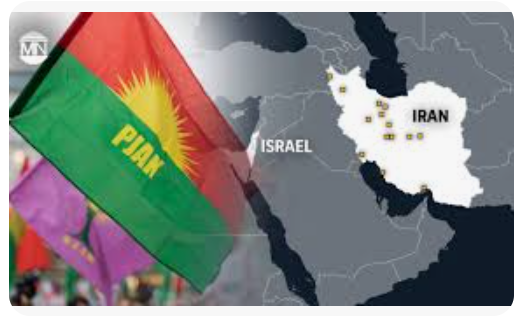
COMMENTARY: Missile Constraints Shaping the Iran War
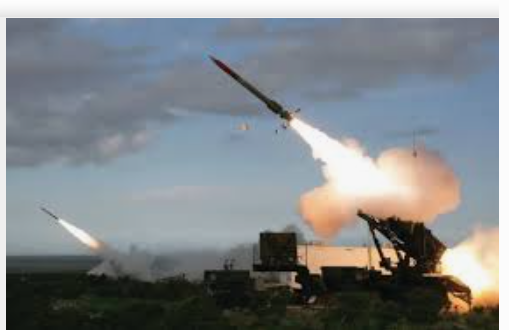 missiles
By Bercan Tutar, Sabah Gazette
A fragile ceasefire between the United States, Israel, and Iran may reflect not only geopolitical and economic pressures, but also deeper military constraints. Analysts argue that missile stockpiles, costs, and production capacity have emerged as decisive factors influencing the course of the conflict.
Beyond Oil: Hidden Drivers Behind the Ceasefire
The recent decision by Washington and Tel Aviv to step back from escalation has widely been linked to global economic volatility, particularly rising oil prices triggered by tensions around the Strait of Hormuz.
U.S. President Donald Trump is reported to have faced growing domestic pressure as energy costs surged.
However, some analysts argue that economic concerns alone do not fully explain the shift toward de-escalation. Instead, military realities—especially missile inventories—may have played a more decisive role.
Three Critical Factors: Stockpiles, Costs, Production
According to this analysis, the trajectory of the war has been shaped by three key variables:
- Missile stockpiles
- Cost of weapons systems
- Speed and capacity of production
Across all three areas, Iran is seen as holding relative advantages over its adversaries.
Stockpile Surprises Shift the Balance
One of the most significant developments has been the realization that Iran’s missile reserves were larger than initially estimated, while U.S. and Israeli inventories appeared more limited than expected.
This imbalance altered battlefield calculations, making prolonged high-intensity conflict more difficult for Washington and its allies.
Cost Asymmetry Favors Iran
A second decisive factor has been the stark cost disparity between the opposing sides’ military systems.
Estimates suggest:
- Iranian missiles cost between $100,000 and $300,000
- U.S. and Israeli missiles can cost $30–40 million each
The gap is even more pronounced in drone warfare:
- Iranian drones may cost as little as $1,000–$50,000
- U.S. MQ-9 drones cost tens of millions of dollars
This asymmetry creates a strategic imbalance, where lower-cost systems can exhaust far more expensive defensive capabilities.
For example:
- Low-cost Iranian drones are intercepted using multi-million-dollar air defense missiles
- Relatively inexpensive ballistic missiles require advanced—and costly—interceptors
Such dynamics raise serious questions about the long-term sustainability of the conflict for high-cost military powers.
Production Capacity: The Decisive Factor
Perhaps the most critical element is production speed.
While Iran is believed to replenish its missile and drone inventories rapidly, U.S. and Israeli production cycles are significantly slower.
This disparity means that:
- Iran can replace losses quickly
- Western arsenals face longer replenishment timelines
According to analysts, this imbalance in industrial capacity may ultimately be the defining factor in the conflict.
US Military Concerns Highlight Structural Weakness
These concerns are echoed by Stephen Bryen, who has warned about systemic issues in U.S. missile capabilities.
In a recent analysis, Bryen pointed to:
- Limited missile stockpiles
- High production costs
- Slow manufacturing timelines
He also highlighted structural problems in defense procurement, including fragmentation and lack of standardization.
Compared to Iran’s reported ability to produce large quantities of missiles and drones annually, U.S. production levels remain relatively constrained.
“The United States does not have sufficient missile inventories to protect its forces and allies,” Bryen argued, warning that this gap could undermine its position as a global power.
A War Defined by Sustainability
Taken together, these factors suggest that the conflict is increasingly shaped not just by battlefield tactics, but by economic and industrial sustainability.
- High-cost systems strain budgets and stockpiles
- Slower production limits long-term capacity
- Lower-cost, rapidly produced weapons shift the balance
In this context, the recent de-escalation may reflect strategic necessity rather than purely diplomatic choice.
Outlook: Constraints May Shape Future Escalation
As tensions persist, the ability of each side to sustain prolonged conflict will remain a critical variable.
Missile inventories, production capacity, and cost efficiency are likely to continue influencing decisions on escalation or restraint.
For now, analysts suggest these structural constraints offer one of the clearest explanations for why the conflict has paused—at least temporarily.
PA Turkey intends to inform Turkey watchers with diverse views and opinions. Articles in our website may not necessarily represent the view of our editorial board or count as endorsement.
Follow our English YouTube channel (REAL TURKEY):
https://www.youtube.com/channel/UCKpFJB4GFiNkhmpVZQ_d9Rg
Twitter: @AtillaEng
Facebook: Real Turkey Channel: https://www.facebook.com/realturkeychannel/
Related articles
Iran War: The Kurdish Puzzle — Will They Turn Against Tehran?
Erdoğan, Qatari Emir Discuss Israel-Iran Tensions and Gaza Crisis

Turkey’s Contested Homefront: War Next Door, Divisions Within