COMMENTARY: Iran War is not over, Stagflation is unavoidable
 Iran Israel
Middle East Tensions Signal Prolonged Conflict, Stagflation Risks Rise
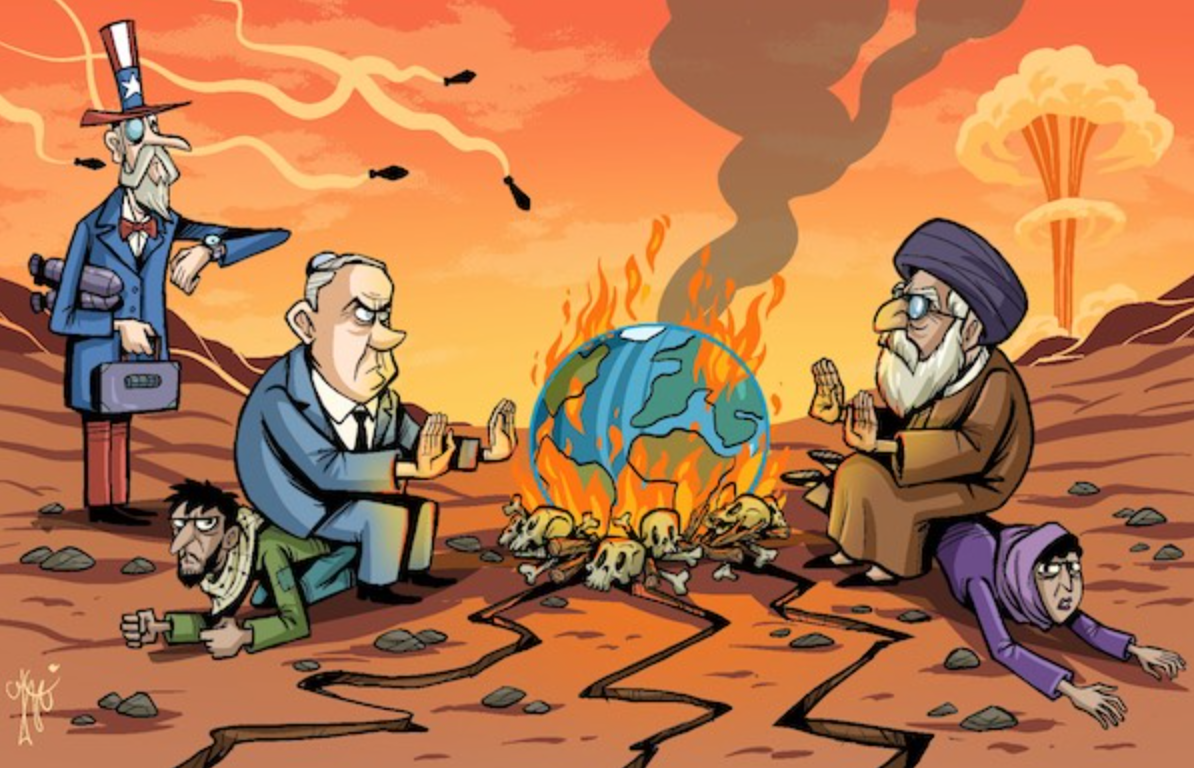
A fragile ceasefire between Iran and Israel appears unlikely to hold, with underlying geopolitical tensions unresolved and violations already emerging. The conflict may shift from active confrontation to intermittent escalation, while energy market disruptions risk pushing the global economy toward stagflation, with higher inflation and slower growth.
Ceasefire Lacks Foundations for Lasting Peace
Wars typically end either with a decisive victory or when opposing sides recognise a military stalemate and move toward a negotiated settlement. Neither condition appears to be in place in the current Iran-Israel confrontation.
The recently brokered 15-day ceasefire, facilitated by Pakistan, Egypt and Türkiye, does not address the core drivers of the conflict. Iran, having demonstrated unexpected resilience, is likely to demand significant concessions in any formal settlement, including war reparations and greater control over the Strait of Hormuz. Its ballistic missile programme also remains non-negotiable.
From Washington’s perspective, the conflict is secondary to domestic political priorities. President Donald Trump’s main concern remains preserving congressional control in the upcoming midterm elections. A loss of majority in either chamber, particularly the House of Representatives, could significantly constrain his policy agenda and weaken his presidency.
Diverging Incentives Among Regional Actors
For Israel, the ceasefire has been perceived domestically as a setback. Prime Minister Benjamin Netanyahu faces mounting political pressure ahead of elections scheduled for October. A prolonged conflict may serve his political interests by delaying electoral risks and maintaining a security-focused narrative.
At the same time, Iran continues to be viewed by Israel as a persistent strategic threat. Its missile capabilities and continued support for regional proxies such as Hezbollah, Hamas remnants and the Houthis reinforce long-term security concerns.
Meanwhile, Gulf Arab states—largely opposed to escalation—have suffered substantial economic damage. Despite extensive defence spending and investment ties with the US, they have received limited protection from the fallout. These countries are likely to pressure Washington to adopt a more decisive stance against Iran.
Early Violations Underscore Fragility
The ceasefire has already shown signs of strain. Iran has threatened to withdraw following Israeli strikes in Lebanon, while also halting oil tanker transit through the Strait of Hormuz. Israel, for its part, maintains that Lebanon is not covered by the agreement, a view echoed by US officials.
Additional incidents, including reported attacks on critical energy infrastructure and unconfirmed strikes on Iranian refining capacity, suggest that the truce is tactical rather than durable.
In this context, the ceasefire appears to offer only a temporary pause, allowing both sides to replenish depleted missile and drone stockpiles before potential renewed escalation.
Conflict May Shift, Not End
The current phase of intense military exchanges is likely to subside within one to two months, largely due to declining missile inventories across all parties. However, rebuilding these capabilities—particularly for Iran—could take up to a year, especially under the threat of additional US trade restrictions on countries supplying military equipment.
This points to a pattern of cyclical conflict rather than a definitive resolution. Even if active hostilities decline, unresolved tensions could trigger renewed confrontations within months.
Energy Shock Raises Stagflation Risks
While the ceasefire may temporarily calm financial markets, particularly US equities that had been reacting to political headlines, underlying economic risks remain elevated.
Damage to energy infrastructure across Iran and Gulf producers is expected to constrain supply for an extended period. Repairs could take up to 18 months, sustaining upward pressure on commodity prices.
Brent crude is unlikely to fall below $100 per barrel this year, with physical market prices—especially in Asia—already trading significantly higher, in the $130–140 range.
According to World Bank estimates, such energy shocks could reduce global growth by 0.3–0.4 percentage points while increasing inflation by up to 0.9 points. Some market estimates suggest even stronger effects, with oil prices near $150 per barrel potentially halving global growth and adding close to one percentage point to inflation.
Outlook: Stagflation Becoming Entrenched
The combination of persistent geopolitical tensions, elevated energy prices and supply-side disruptions points to a stagflationary environment already taking hold.
If central banks such as the Federal Reserve and the European Central Bank are forced to respond with further tightening, the risk of a broader financial downturn could increase.
Even in the event of a de-escalation, inflationary pressures may prove difficult to reverse once embedded in the real economy. Current projections suggest US consumer inflation could approach 4% by year-end.
Conclusion
The Middle East conflict is unlikely to end decisively in the near term. Instead, markets may face a prolonged period of intermittent escalation and economic strain.
For investors, the key signals to watch are not political statements from Washington, but shifts in posture from Tehran and Israel. A genuine move toward de-escalation could trigger a broad-based market rally. Absent that, risks remain skewed to the downside.
By Atilla Yesilada, translated from Turkish original by ChatGPT
Related articles
Turkish, Brazilian companies collaborate on gas projects in the Americas

How Experts Read the Markets: Stocks Caught in a Triangle of War, Rates and Uncertainty

Morning Report: Global Markets Breathe as Diplomacy Shadows the Fog of War