CHP Slams Planned Bridge and Highway Privatization, Warns of Heavy Burden on Taxpayers
 ozyilmaz chp
Turkey’s main opposition party has sharply criticized the government’s plan to privatize two Bosphorus bridges and seven major highways, arguing that the scheme would generate massive profits for private operators while shifting long-term costs onto citizens through higher tolls.
Turkey’s main opposition Republican People’s Party (CHP) has mounted a strong challenge to the government’s proposed privatization of key transport infrastructure, warning that the plan would impose a substantial financial burden on taxpayers over the next 25 years.
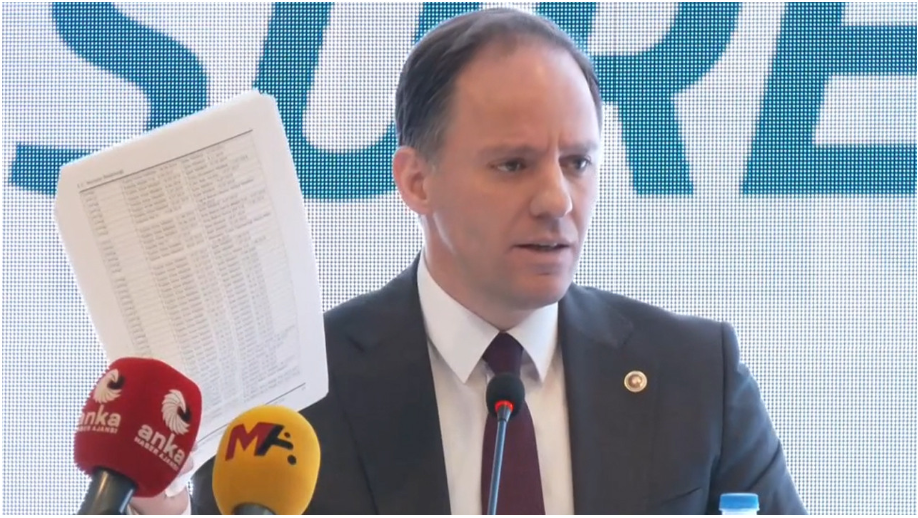
Deniz Yavuzyılmaz, CHP deputy chair responsible for energy and infrastructure policy, said the privatization of two Bosphorus bridges and seven highways would ultimately cost the public the equivalent of $48.5 billion, while delivering large guaranteed profits to private operators.
The proposal, advanced by the ruling Justice and Development Party (AKP), involves transferring operating rights for the bridges and highways to private companies for 25 years.
Türkiye Kicks Off Privatization of Bridges and Highways, Why CHP Hates the Idea?
“Selling Turkey’s Future”
In a series of posts on X, Yavuzyılmaz described the plan as “the AKP’s masterpiece in selling the country piece by piece,” arguing that it amounts to monetizing future public revenues in advance of elections.
“This is nothing less than selling Turkey’s future without shame,” Yavuzyılmaz said.
“It means transferring wealth from 86 million citizens — and future generations — to a small group of politically connected companies.”
According to calculations shared by Yavuzyılmaz, based on official data from the General Directorate of Highways, the infrastructure in question would generate around $15 billion in net profit for the public sector if it remained under state control for the next 25 years.
Under privatization, however, CHP estimates that private operators would secure $33.45 billion in net profit, while users would pay significantly higher tolls over time.
Toll Increases at the Core of the Criticism
Yavuzyılmaz argues that profitability hinges on sharp toll increases once the assets are privatized. He claims that tolls would be indexed to prices charged on existing build-operate-transfer (BOT) projects, many of which are already operated by private firms.
According to CHP’s estimates:
-
Toll levels could rise by an average of 232%
-
Total user payments over 25 years could reach $48.45 billion
-
At current exchange rates, this would equal more than 2.1 trillion Turkish lira
“The government wants to collect in advance revenues that belong to future generations,” Yavuzyılmaz said.
“Meanwhile, the companies winning these tenders would be handed guaranteed profits on an unprecedented scale.”
Infrastructure Included in the Plan
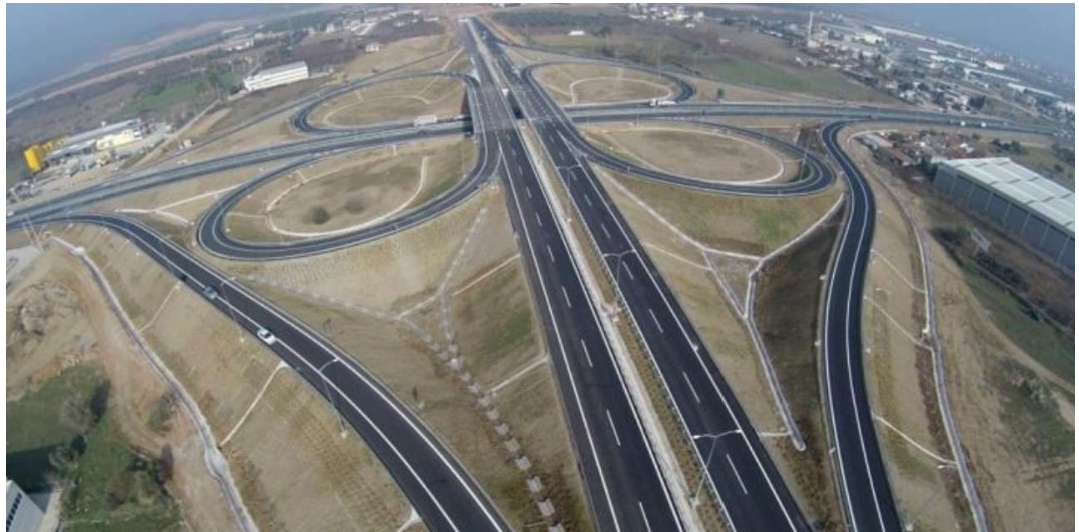
The assets slated for privatization include some of Turkey’s most strategic transport corridors:
-
15 July Martyrs Bridge
-
Fatih Sultan Mehmet Bridge
-
Anatolian Motorway
-
European Motorway
-
İzmir–Çeşme Motorway
-
İzmir–Aydın Motorway
-
Niğde–Mersin–Adana Motorway
-
Adana–Gaziantep Motorway
-
Gaziantep–Şanlıurfa Motorway
CHP says the calculations were derived from the General Directorate of Highways’ 2026 Performance Program, which includes revenue and traffic projections.
Broader Debate Over Privatization
The criticism comes amid renewed debate over Turkey’s privatization strategy, particularly in infrastructure sectors where usage is mandatory and demand is inelastic. Critics argue that long-term concession models often shift financial risk away from private operators while locking citizens into higher fees.
Government officials have defended privatizations as a way to generate upfront revenue, reduce public debt pressure, and attract private investment. However, opposition figures say the fiscal benefits are short-term, while the economic and social costs accumulate over decades.
Political Stakes Rising
With local and national elections approaching, the issue is gaining political traction. CHP has framed the plan not merely as an economic decision, but as a distributional choice that prioritizes fiscal cash flow and favored contractors over long-term public welfare.
Whether the privatization plan proceeds as outlined remains uncertain, but the debate highlights growing scrutiny over how Turkey finances infrastructure — and who ultimately pays the price.
PA Turkey intends to inform Turkey watchers with diverse views and opinions. Articles in our website may not necessarily represent the view of our editorial board or count as endorsement.
Follow our English YouTube channel (REAL TURKEY):
https://www.youtube.com/channel/UCKpFJB4GFiNkhmpVZQ_d9Rg
Twitter: @AtillaEng
Facebook: Real Turkey Channel: https://www.facebook.com/realturkeychannel/