Chinese Scholar Says Türkiye Is the “Kingmaker” in Iran War
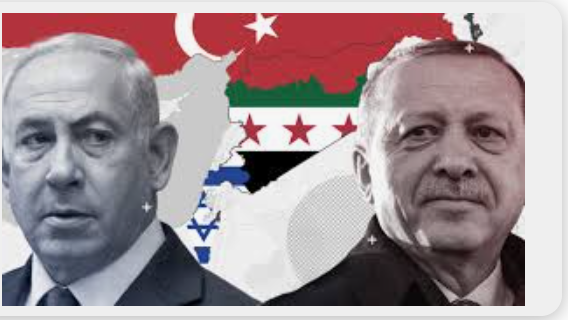 tr israel
Chinese academic Jiang Xueqin argues that Türkiye has emerged as the most strategically pivotal actor in the ongoing Iran conflict, capable of shaping the outcome without directly engaging in war. His analysis highlights Ankara’s geographic leverage, military assets, and diplomatic flexibility as key factors behind its growing influence.
“The Country No One Can Afford to Confront”
According to Jiang, global attention remains focused on major powers such as the United States, Iran, and Israel.
However, he contends that the real strategic leverage lies with Türkiye.
“Everyone is watching the US and Iran, but the country that can change the course of this war with a single decision is Türkiye—the one both sides need and neither can afford to alienate,” Jiang said.
He described Türkiye as a “kingmaker”—a power that may not win the war directly but can determine its outcome.
Strategic Geography at the Core
Jiang emphasized Türkiye’s unique geopolitical position at the crossroads of Europe and Asia, giving it influence across multiple theaters.
He pointed to control over the Turkish Straits as a major strategic asset, allowing Ankara to regulate access between the Black Sea and the Mediterranean—an important lever over Russia.
Türkiye’s proximity to conflict zones in Iraq and Syria, where Iranian influence is significant, further enhances its role.
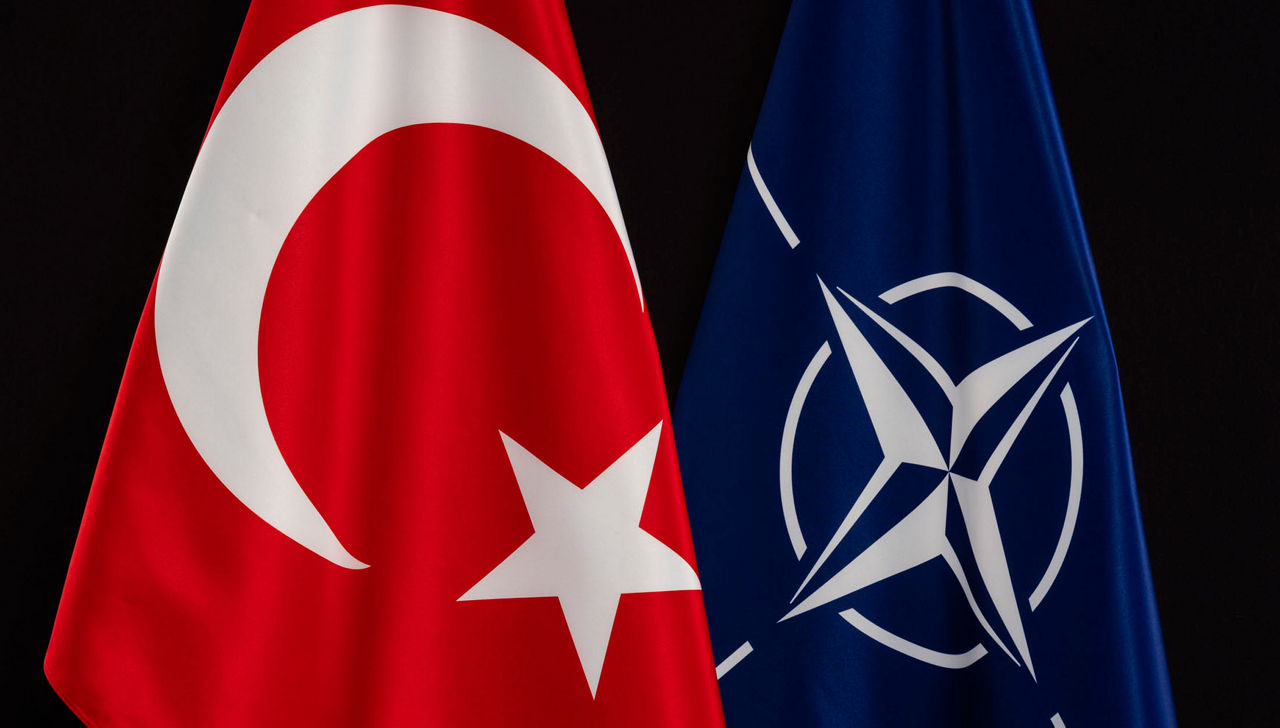
In addition, Türkiye possesses NATO’s second-largest army within the NATO framework, reinforcing its military weight.
Four Key Sources of Influence
Jiang outlined four main factors that elevate Türkiye’s position in the current conflict:
1. Strategic Leverage Over Incirlik Air Base
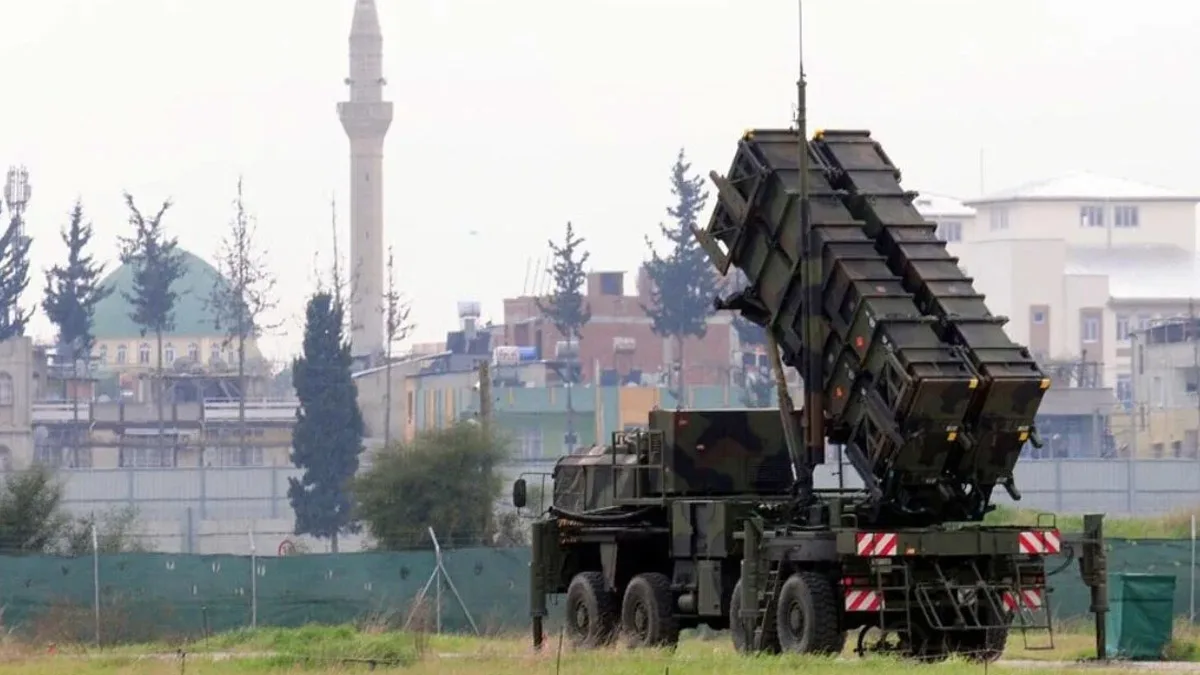
The Incirlik Air Base remains a critical hub for US operations in the Middle East.
Jiang noted that Ankara has previously demonstrated its ability to restrict access to the base, particularly after the 2016 coup attempt.
“Türkiye has not played this card yet, but it remains a powerful lever,” he said.
2. Control of the Turkish Straits
Referring to the Russia-Ukraine war, Jiang highlighted Türkiye’s implementation of the Montreux Convention, which restricted the movement of warships.
3. The Kurdish Factor
Jiang identified the Kurdish issue as one of the most complex and least understood elements of Türkiye’s strategic toolkit.
4. Mediation Capability
Türkiye’s ability to act as a mediator between Washington and Tehran is another critical advantage.
Strategic Autonomy and Regional Influence
According to Jiang, Türkiye is leveraging its position to pursue broader strategic goals:
- Greater autonomy in foreign policy
- Increased regional influence
- Recognition as a major global power
“Türkiye Will Shape the Outcome”
Jiang concluded:
“The kingmaker does not win the war—but determines who wins. And right now, Türkiye is best positioned for that role.”
Isa Yusibov: No Direct Türkiye–Israel War Likely
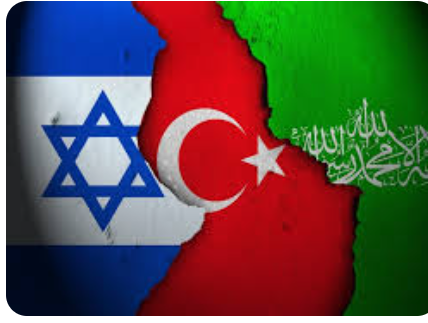
Geopolitical risk analyst Isa Yusibov offers a complementary perspective, arguing that escalating rhetoric between Türkiye and Israel is unlikely to translate into direct military confrontation.
According to Yusibov:
- The tensions are largely rhetorical
- Both governments benefit politically from external rivalry
- Domestic audiences—not military planners—are the primary targets
“These verbal volleys are designed for voters in Istanbul and Tel Aviv, not for generals in a war room,” he notes.
Economic and Strategic Constraints
Yusibov highlights several reasons why a direct conflict is unlikely:
- Türkiye’s membership in NATO
- The risk of a broader Western security crisis
- Ongoing economic ties between Türkiye and Israel
Trade between the two countries continues, often through indirect channels, even amid political tensions.
Rhetoric vs Reality
According to Yusibov, both Ankara and Tel Aviv use strong rhetoric for domestic political gain:
- In Türkiye, external threats help consolidate political support
- In Israel, similar narratives sustain a high-alert national posture
Outlook: A Quiet but Decisive Role
Taken together, the analyses suggest that Türkiye’s influence in the Iran conflict may be less visible but highly consequential.
While Jiang frames Türkiye as a “kingmaker,” Yusibov underscores the structural constraints that prevent escalation—pointing to a complex balance between rhetoric, strategy, and real-world limitations.
Sources: Yeni Safak, Isa Yusibov X post
PA Turkey intends to inform Turkey watchers with diverse views and opinions. Articles in our website may not necessarily represent the view of our editorial board or count as endorsement.
Follow our English YouTube channel (REAL TURKEY):
https://www.youtube.com/channel/UCKpFJB4GFiNkhmpVZQ_d9Rg
Twitter: @AtillaEng
Facebook: Real Turkey Channel: https://www.facebook.com/realturkeychannel/