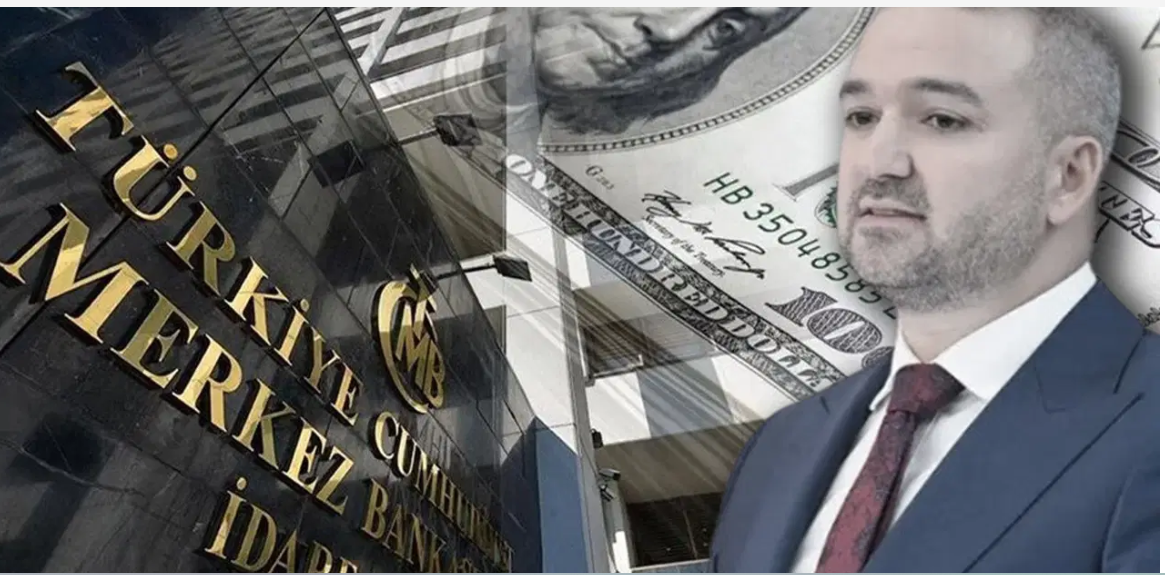
CBRT Signals Caution Amid Rising Risks, Offers No Clues on April Rate Decision
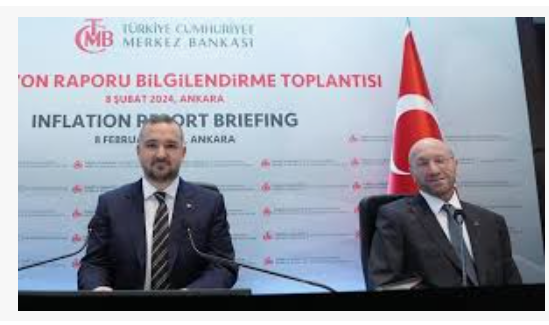 karahan akcay
Turkey’s central bank leadership delivered a series of closely watched remarks, emphasizing a cautious and flexible policy stance while refraining from signaling the direction of April’s interest rate decision. Officials warned that geopolitical risks—particularly the Middle East conflict—pose significant challenges, but stressed that policymakers retain the necessary tools to respond.
No Forward Guidance on Rates
Remarks from Fatih Karahan and Osman Cevdet Akçay stopped short of offering any clear guidance on the upcoming April policy decision.
Instead, both officials emphasized the importance of maintaining a tight and adaptive policy stance in the face of evolving risks.
Akçay drew particular attention with his remark that inflation could have surged to 100% without prior policy measures, underscoring the scale of the challenge policymakers have been confronting.
“Central Banking Is Mostly About Expectations”
Akçay highlighted that modern central banking is fundamentally about managing expectations rather than simply adjusting policy tools.
“About 98% of this job is expectations management, and only 2% is execution,” he said, adding that policymakers in Turkey have struggled to effectively communicate the complexity of the disinflation process.
This communication gap, he argued, has often led to misinterpretation of policy decisions.
Gradual Tightening Was Intentional
Addressing criticism over the pace of rate hikes, Akçay defended the central bank’s gradual approach.
He argued that:
- The monetary transmission mechanism had been impaired
- Rapid, aggressive tightening could have destabilized financial markets
Instead, policymakers prioritized restoring the transmission mechanism, aiming for each rate move to have a measurable impact on markets.
Atilla Yesilada: Damage Assessment: Taking Stock of the Economic Fallout
Fiscal Policy Still Matters
Akçay also emphasized the interaction between fiscal and monetary policy.
While political cycles do not directly influence central bank decisions, he noted that:
- Expansionary fiscal policy would require tighter monetary conditions
Reaffirming the bank’s mandate, he stressed that price stability remains the primary objective guiding all policy decisions.
Warning on Data Interpretation
Akçay criticized what he described as “confirmation bias” in Turkey’s economic debate.
He argued that economic data are often interpreted selectively, leading to flawed conclusions about policy effectiveness.
This, he said, has contributed to misunderstandings about past and current policy frameworks.
War Risks: “A More Dangerous Shock”
Turning to geopolitical developments, Akçay warned that the ongoing Middle East conflict represents a more severe shock than previous episodes.
“This is a more important and riskier shock, but we always have tools at our disposal,” he said.
He added that the central bank is prepared to take additional measures if needed.
Exchange Rate Not a Direct Target
Akçay reiterated that the exchange rate is not a policy target but rather the outcome of a broader policy mix.
That mix includes:
- Interest rates
- Macroprudential measures
He emphasized that different combinations of tools can produce different exchange rate outcomes, and that policymakers remain flexible.
ANALYSIS: CBRT Executes Historic $18 Billion Gold Drawdown Amid Regional Turmoil
“Not Hawkish, Just Doing Central Banking”
Responding to labels often used to describe his stance, Akçay rejected the characterization of being “hawkish.”
“I’m not trying to be hawkish or dovish. I’m just doing central banking,” he said.
Forward-Looking Wage Policy Needed
Akçay also warned against backward-looking wage indexation.
He argued that:
- Wage increases should be based on expected inflation
- Otherwise, disinflation efforts could be undermined
Such a shift is essential to maintaining policy credibility.
Reserves, Swaps and Gold Must Be Seen Together
On technical policy tools, Akçay stressed that reserves, swap operations and gold transactions should be evaluated as a whole.
He cautioned that:
- Liquidity injections can ease financial conditions
- Policy tools must be carefully calibrated
“Providing liquidity loosens conditions,” he noted.
Karahan: Gold Operations Are Temporary
Governor Fatih Karahan addressed recent gold-related transactions, describing them as a natural and temporary tool to support foreign exchange liquidity.
He explained that:
- Most transactions are structured as gold-FX swaps
- The gold will return to reserves upon maturity
Karahan added that banks have resumed swap transactions with the central bank, signaling that the FX system is functioning smoothly.
Energy Shock and Inflation Risks
Karahan acknowledged that the Middle East conflict is affecting multiple macroeconomic variables:
- Inflation
- Growth
- External balance
He noted that measures such as fuel price smoothing mechanisms have helped limit inflationary pressures from rising energy costs.
Rising Uncertainty Weighs on Economy
Karahan also pointed to broader economic risks:
- Increased uncertainty is dampening investment appetite
- Private consumption is likely to weaken
However, he said any deterioration in the current account is expected to remain manageable.
Conclusion: Flexible Policy, Heightened Risks
The central bank’s latest messaging highlights a cautious but proactive approach.
- No explicit rate signal was given
- Policy flexibility remains central
- Geopolitical risks are closely monitored
With uncertainty rising, the emphasis remains on maintaining price stability while preserving financial stability.
Related articles
CBRT Raises 2025 Inflation Forecast, Maintains Long-Term Targets: What the 2026 Outlook Signals
Turkey’s Central Bank Signals Steady Hand as Karahan Meets Global Investors
Atilla Yesilada: Damage Assessment: Taking Stock of the Economic Fallout