CBRT Gold Sales Add Pressure to Global Bullion Prices
 tcmb altin rezerv
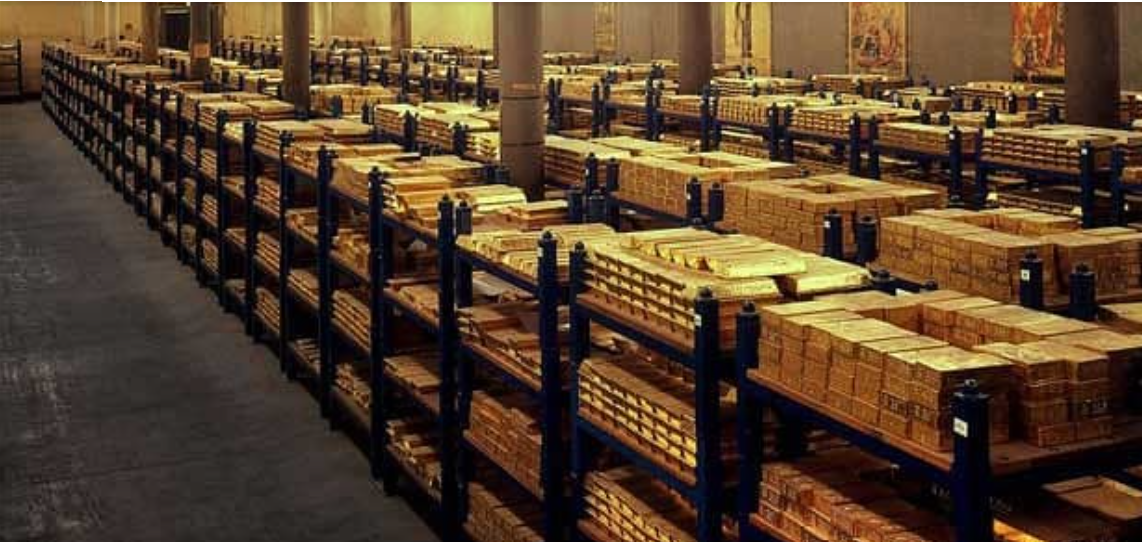
Türkiye’s central bank deployed roughly 60 tons of gold—worth over $8 billion—through sales and swap operations in the two weeks following the outbreak of the Iran war, contributing to downward pressure on global gold prices. The move marked a sharp drawdown in reserves and signaled a temporary shift in Türkiye’s long-standing gold accumulation strategy as authorities sought to stabilize the lira and meet rising foreign currency demand.
Central Bank Deploys Gold to Manage Market Stress
In the wake of the Iran conflict, Türkiye has faced rising energy import costs and increased demand for foreign currency. To manage these pressures, the Central Bank of the Republic of Türkiye (CBRT) turned to its gold reserves.
Market estimates suggest:
- Around 60 tons of gold were used within two weeks
- The total value exceeded $8 billion
Part of the gold was sold outright, while the majority was utilized through swap agreements to secure foreign exchange or lira liquidity.
The central bank declined to comment on the operations.
Sharpest Reserve Drop Since 2018
Official data point to a rapid and significant decline in Türkiye’s gold reserves:
- Week ending March 13: 6-ton decline
- Week ending March 20: 52.4-ton decline
This amounts to a total drawdown of approximately 58.4 tons, marking the steepest weekly drop since August 2018.
The scale of the decline reflects the intensity of financial pressures triggered by the Iran war and its spillover into currency and energy markets.
Policy Shift: From Accumulation to Utilization
Türkiye has been one of the world’s most aggressive gold buyers over the past decade, steadily increasing reserves to reduce reliance on dollar-denominated assets.
The recent operations, however, suggest a tactical shift.
With total gold holdings estimated at around $135 billion, the CBRT appears to be using gold as a liquidity buffer to:
- Support the lira
- Meet foreign exchange demand
- Stabilize domestic financial conditions
Analysts view this as a pragmatic adjustment rather than a structural reversal of policy.
Gedik Investment: Sharp Reserve Losses and Rising Dollarization Pressures
Impact on Global Gold Markets
The scale of Türkiye’s gold operations has had a noticeable effect on global markets.
- CBRT-related activity: ~60 tons
- Gold ETF outflows (same period): ~43 tons
The central bank’s actions exceeded total ETF outflows, amplifying downward pressure on bullion prices.
Gold has fallen by around 15% this month, driven by a combination of profit-taking after last year’s rally and increased supply from central bank operations.
Reports of Türkiye tapping its gold reserves also triggered volatility in spot prices, reversing earlier gains in global markets.
CBRT Deploys Gold Reserves to Defend Lira as Energy Shock Intensifies
Gold Swaps: A Key Liquidity Tool
Gold swap transactions have played a central role in the CBRT’s strategy.
Through these agreements:
- Gold is used as collateral
- Foreign currency liquidity is obtained
- The central bank retains the option to repurchase gold later
This allows authorities to access funding without permanently reducing reserves.
Rising Pressure on the Lira
The gold operations come amid growing challenges to Türkiye’s disinflation strategy, which depends on maintaining relative currency stability.
Two key factors have intensified pressure:
1. Higher energy costs
The Iran war has pushed up oil and gas prices, increasing Türkiye’s import bill.
2. Stronger dollar demand
Heightened global uncertainty has boosted demand for hard currency.
These dynamics have made it more difficult to sustain exchange rate stability using conventional tools alone.
Broader Implications for Central Banks
The developments in Türkiye may reflect a wider trend.
According to analysts, the economic shock from the Iran war could:
- Reduce gold demand from some central banks
- Prompt others to sell reserves to meet dollar obligations
This could slow the pace of global central bank gold accumulation in the near term.
Volatility Likely to Persist
Despite recent declines, gold prices remain highly sensitive to geopolitical developments.
Analysts expect continued volatility until there is greater clarity on the trajectory of the U.S.-Iran conflict. While lower prices have triggered some buying interest in markets such as India, many investors remain cautious, anticipating further downside.