



Borsa Istanbul Defies 14 trillion Dollar Global Sell-Off
 borsa-ist
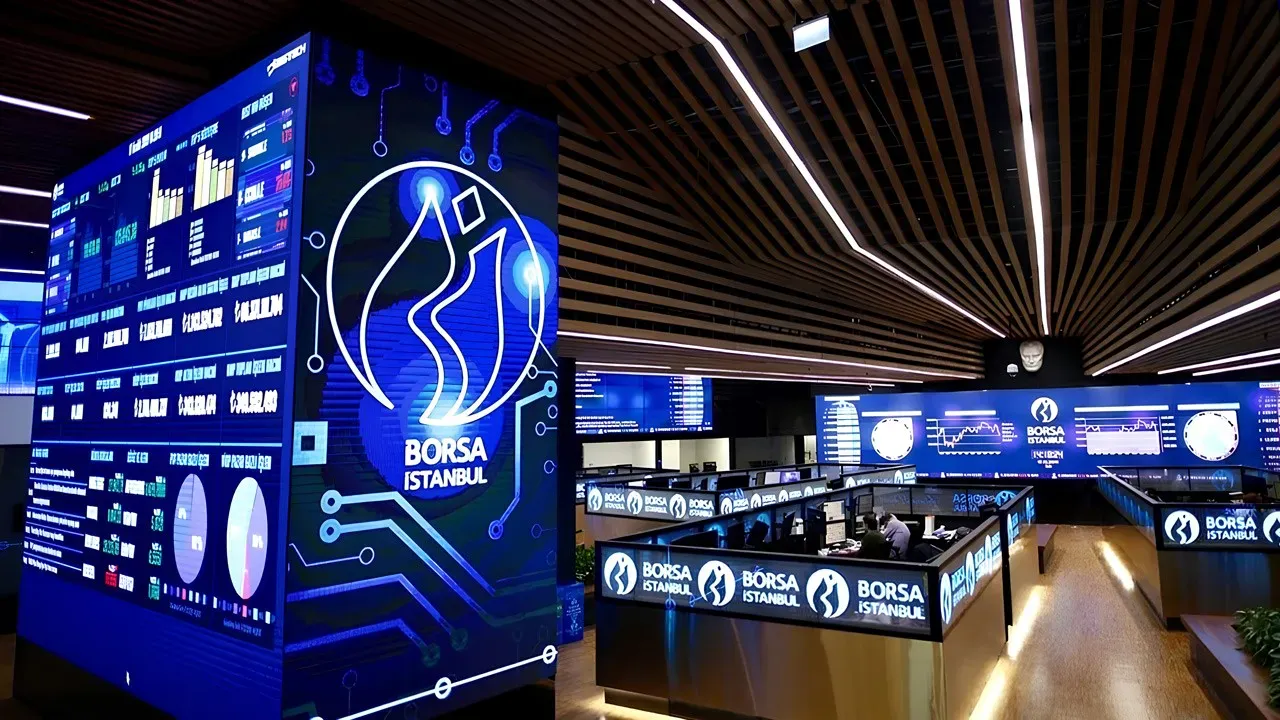
Despite a geopolitical firestorm that wiped $14 trillion from global financial markets in March, Türkiye’s Borsa Istanbul has emerged as a rare “green island” of resilience. During the first quarter of 2026, the BIST 30 and BIST 100 indices secured their spots among the world’s top 10 best-performing benchmarks, outstripping major markets in the U.S., Europe, and Asia. While the Strait of Hormuz crisis pushed the 10-year U.S. Treasury yield to a staggering 4.49%, Borsa Istanbul’s momentum—driven by foreign inflows and swift CBRT liquidity maneuvers—has signaled a robust “decoupling” from broader emerging market distress.
Borsa Istanbul Q1 Performance: A Record-Breaking Sprint
The first quarter of 2026 was defined by a massive “bull run” that saw the Turkish market hit historic milestones before the full weight of the Iran-US conflict registered.
-
BIST 30 Dominance: The index tracking Turkey’s largest companies surged 18.77%, climbing from 12,223 to 14,518 points.
-
The Dollar Edge: In USD terms, the BIST 30 gained 14.7%, a critical metric that attracted global asset managers seeking refuge from a hawkish Fed.
-
January Surge: The BIST 100 recorded its strongest monthly performance since late 2022, jumping 22.9% in January alone, eventually touching a record high of 14,532.67 in February.
The “Hormuz Factor” and Global Contagion
As the Operation Epic Fury expanded into a direct US-Israel-Iran confrontation, global markets pivoted into a defensive stance.
-
The Fed’s Hawkish Shift: Rising oil prices (peaking at $119) altered global inflation expectations. The market now anticipates the Federal Reserve will maintain a “higher for longer” stance, pushing the Dollar Index (DXY) firmly above 100.
-
Capital Flight: While many emerging markets faced rapid outflows as the “safe haven” dollar strengthened, Borsa Istanbul’s early-quarter reserve accumulation by the CBRT provided a structural buffer that prevented a total rout.
CBRT’s Liquidity Shield: The Lira Swap Maneuver
To counteract the liquidity tightening caused by the regional war, the Central Bank of the Republic of Türkiye (CBRT) introduced a tactical “liquidity shield” in March.
-
FX-Backed Lira Swaps: The bank launched new swap transactions, allowing commercial banks to exchange foreign currency for Lira.
-
Dual Benefit: This move simultaneously injects Lira liquidity into a banking system facing credit pressure and strengthens CBRT’s FX reserves.
-
Market Stabilization: By providing this flexibility, the CBRT successfully limited interest-rate volatility, preventing the “tightening shock” that hit other high-beta economies in the region.