Bennett Calls Türkiye the “New Iran,” Urges Coordinated Strategy Against Ankara
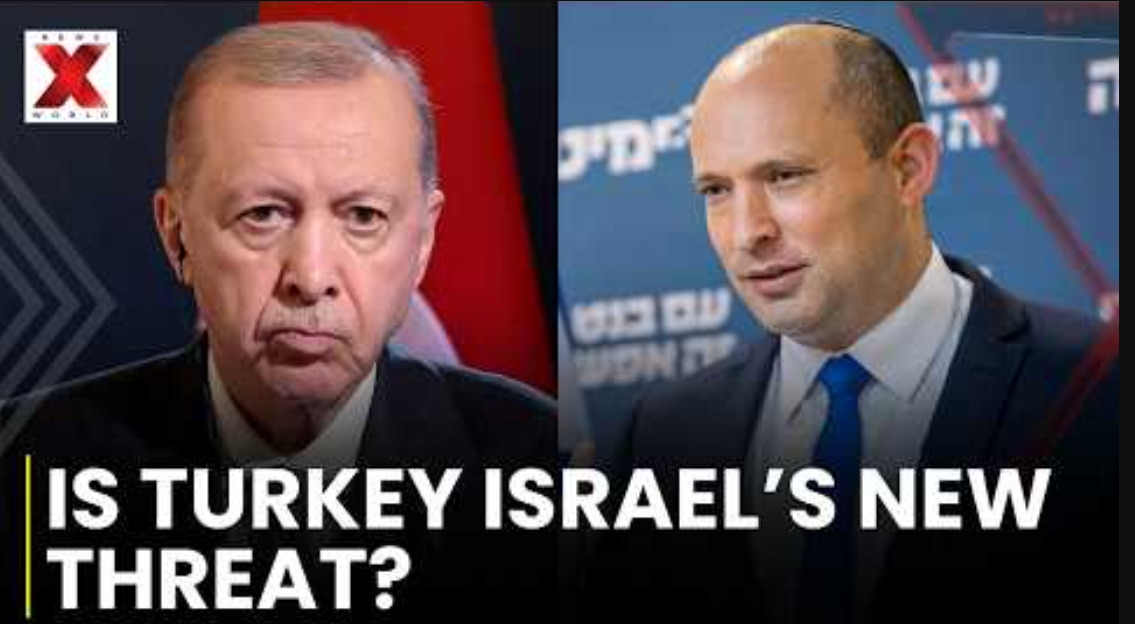 naftali bennett
Former Israeli Prime Minister Naftali Bennett has described Türkiye as the “new Iran,” calling President Recep Tayyip Erdoğan a “cunning and dangerous rival” and urging Israel to develop a coordinated international strategy to counter Ankara’s regional influence. His remarks come amid rising tensions between the two countries over Gaza, Syria and growing rivalry in the Horn of Africa.
Former Israeli Prime Minister Naftali Bennett accused Türkiye of forming a regional axis hostile to Israel, warning that Ankara’s expanding footprint in the Middle East and Africa poses a strategic threat.
In a post on X, formerly known as Twitter, Bennett said: “Turkey is the new Iran; Erdoğan is a cunning and dangerous rival.” He argued that Israel must not underestimate what he described as Türkiye’s long-term ambitions.
“Turkey Has Created an Axis Similar to Iran”
Bennett said Türkiye’s policies in Syria, Gaza, the Eastern Mediterranean and Africa reflect a coordinated strategy to expand influence and encircle Israel diplomatically and militarily.
“I warn you: Turkey is the new Iran,” Bennett wrote. “Erdoğan is a cunning and dangerous rival who wants to encircle Israel. We must not close our eyes again.”
He alleged that Türkiye’s ties with actors in Qatar and Syria, as well as its support for groups aligned with the Muslim Brotherhood, contribute to what he described as a growing axis of concern for Israel.
Bennett argued that Israel must address perceived threats from both Tehran and Ankara simultaneously but through differentiated strategies.
“We must act against the threat from Tehran and the hostility from Ankara in different but simultaneous ways,” he said, calling for an international framework to counter both countries’ influence.
His comments come at a time when diplomatic relations between Türkiye and Israel remain strained, particularly over Ankara’s criticism of Israel’s war in Gaza and its support for Hamas.
OPINION: Turkey Signals No Immediate Withdrawal from Syria or Iraq
Somalia Emerges as a New Flashpoint
Tensions between the two countries have increasingly extended beyond the Levant to the Horn of Africa, where Somalia is emerging as a potential arena of rivalry.


In late January, Turkish F-16 fighter jets flew over Mogadishu in what Turkish officials described as a show of support for Somalia’s government and efforts to combat the Islamist militant group al-Shabaab.
The deployment followed Israel’s recognition of Somaliland in December 2025 — a move Ankara condemned as a violation of Somalia’s territorial integrity.
Turkish international relations expert Soli Özel said the flight of Turkish jets was widely interpreted as a message to Israel. “Don’t interfere with our interests here,” he said.
While analysts do not expect direct military confrontation, they warn that both countries are signaling limits to each other’s regional ambitions.
“I don’t think they will fight, but they are both showing their colours,” Özel said. “Could it get out of hand? I don’t know. It may.”
Israel’s Strategic Calculations
According to Gallia Lindenstrauss of the Institute for National Security Studies in Tel Aviv, Israel’s recognition of Somaliland is primarily driven by security concerns related to Yemen.
She noted that Houthi rebels — backed by Iran — have previously launched missiles toward Israeli territory.
“The Houthis were the last ones still launching missiles against Israel from Iranian proxies,” she said. “This remains a major threat.”
Somaliland’s strategic location along the Gulf of Aden and near shipping routes connecting the Red Sea and Indian Ocean adds to its geopolitical importance.
However, Lindenstrauss acknowledged that perceptions differ sharply.
“What Israel sees as defense, Türkiye sees as something directed against Ankara,” she said.
Competing Regional Blocs
Analysts say the dispute reflects broader alignments forming across the Middle East and Eastern Mediterranean.
Norman Ricklefs, CEO of geopolitical consultancy Namea Group, described the situation as a new chapter in competition between two dominant regional military powers.
Türkiye has invested heavily in Somalia over the past 15 years. Ankara operates its largest overseas military base in Mogadishu and manages key infrastructure projects, including port operations and counterterrorism training programs. It has also signed agreements covering naval cooperation and potential energy exploration.
“Turkey is running the port, training security forces, and maintaining a significant diplomatic and humanitarian presence,” Ricklefs said. “Somalia is central to its regional ambitions.”
The rivalry is unfolding against a backdrop of broader geopolitical alignments. Lindenstrauss pointed to two loose axes emerging in the region.
On one side, she said, are Greece, Cyprus, Israel and the United Arab Emirates. On the other are Türkiye, Saudi Arabia, Pakistan, Egypt and Qatar.
“These are not formal alliances,” she said, “but you see patterns in how these countries align on key issues. That contributes to rising tensions.”
Ricklefs noted that competition between opposing blocs has previously escalated into violence, citing Libya as an example, where Turkish-backed forces clashed with factions supported by the UAE and others.
However, he said Somalia has not yet reached a comparable level of confrontation.
“I don’t think we’re there just yet with Somaliland and Somalia,” Ricklefs said. “But the situation is delicate.”
He added that the United States remains one of the few actors capable of mediating between rival powers and reducing the risk of escalation.
Broader Context of Israeli-Turkish Tensions
Relations between Türkiye and Israel have deteriorated significantly over the past year, particularly in light of Ankara’s vocal criticism of Israel’s military campaign in Gaza and its continued support for Hamas.
President Recep Tayyip Erdoğan has repeatedly condemned Israeli operations and positioned Türkiye as a defender of Palestinian rights in international forums.
Israeli officials, in turn, have accused Ankara of emboldening militant groups and expanding influence in ways that challenge Israel’s strategic position.
Bennett’s remarks reflect growing concern within parts of Israel’s political establishment that Türkiye’s military modernization, diplomatic activism and regional investments are reshaping the balance of power.
His call for a coordinated strategy against Ankara signals that Israeli policymakers may increasingly frame Türkiye not merely as a difficult partner, but as a structural competitor in multiple theaters.
Whether that competition remains diplomatic and economic — or risks spilling into more direct confrontation — will depend on evolving developments in Gaza, Syria and the Horn of Africa.
For now, analysts say both sides appear intent on testing boundaries rather than crossing them.
Dorian Jones, Israeli Press Sources, PA Turkey news desk
PA Turkey intends to inform Turkey watchers with diverse views and opinions. Articles in our website may not necessarily represent the view of our editorial board or count as endorsement.
Follow our English YouTube channel (REAL TURKEY):
https://www.youtube.com/channel/UCKpFJB4GFiNkhmpVZQ_d9Rg
Twitter: @AtillaEng
Facebook: Real Turkey Channel: https://www.facebook.com/realturkeychannel/
Related articles
Kurdish Rebel Group PKK Announces Withdrawal from Turkey: Can Erdoğan Make Peace with the Kurds?
CBRT governor Gaye Erkan’s interview triggers a storm of criticism in Turkey
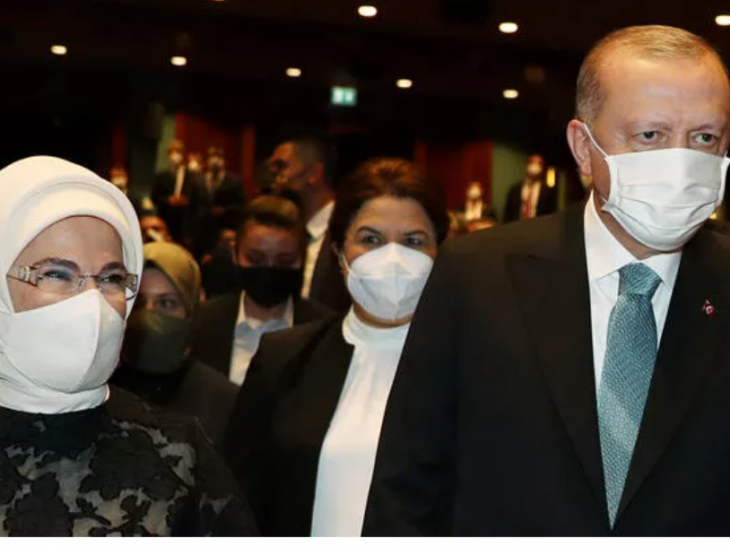
Turkey President Recep Tayyip Erdogan and wife test positive for Covid-19, exhibit mild symptoms