Bahçeli Signals “New and Strong Turkey” Push, Calls for Cross-Party Unity After Eid
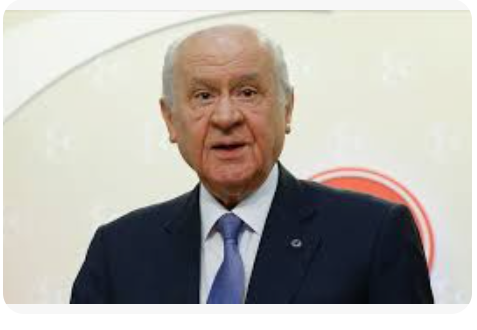 devlet bahceli
Nationalist Movement Party (MHP) leader Devlet Bahçeli said Turkey is entering a “new phase” after Eid al-Fitr, calling on all political parties to work in unity in parliament. His remarks have fueled speculation about a potential reform or political process in the coming months.
Bahçeli Marks Eid with Visit to Türkeş’s Grave
Devlet Bahçeli, leader of the MHP, visited the grave of the party’s founder Alparslan Türkeş on the morning of Eid al-Fitr, continuing a long-standing tradition.
After laying flowers and offering prayers, Bahçeli addressed the press, extending holiday greetings to the Turkish nation and the broader Muslim world while delivering key political messages about the country’s future direction.
“A New Phase Begins for Turkey”
Bahçeli said Turkey is entering a new strategic phase amid rising geopolitical tensions and regional instability.
“Beyond the developments around our country and multifaceted political conflicts, we are entering a new period. The coming process will be one in which historic steps and services will be undertaken in building a new and strong Turkey,” he said.
His remarks framed the post-Eid period as a potential turning point in both domestic and regional policy.
Call for Unity in Parliament
The most notable element of Bahçeli’s statement was his call for political consensus across party lines.
He urged all parties—particularly those represented in parliament—to work more effectively and collaboratively:
- Emphasizing the need for productive parliamentary engagement
- Calling for unity of voice (“ağız birliği”) in addressing national issues
- Highlighting parliament as the key platform for resolving Turkey’s structural challenges
Bahçeli suggested that only broad political alignment can deliver solutions to the country’s longstanding problems.
Signals of a Possible Political Process
Bahçeli’s remarks come amid heightened political signaling in Ankara. Around the same time, CHP leader Özgür Özel also made statements emphasizing “brotherhood” and unity.
This parallel messaging has prompted speculation among political observers about:
- A potential new reform agenda
- Possible constitutional discussions
- Or even the early stages of a renewed political reconciliation process
Bahçeli’s reference to the “construction of a new Turkey” has been interpreted as reinforcing these expectations.
Reference to a “Solution Process”
In his remarks, Bahçeli also hinted at potential steps related to a broader “solution process” after the holiday period, without providing specific details.
He stressed that:
- The post-Eid period would be marked by important political and institutional steps
- These steps would contribute to strengthening Turkey’s state structure and unity
Context: Rising Regional Risks
Bahçeli’s statements come at a time of increasing geopolitical tension in the Middle East, which Turkish policymakers see as a growing external risk.
He underlined that Turkey must remain politically cohesive in order to navigate:
- Regional conflicts
- Security challenges
- Broader geopolitical uncertainty
Conclusion
Bahçeli’s post-Eid message signals a potential shift toward a more coordinated political phase in Turkey, with an emphasis on unity and institutional action.
Whether this translates into concrete reforms or a broader political process will likely become clearer in the weeks ahead, as Ankara responds to both domestic pressures and regional developments.
Source: Turkish media
***PA Turkey intends to inform Turkey watchers with diverse views and opinions. Articles in our website may not necessarily represent the view of our editorial board or count as endorsement.
Follow our English YouTube channel (REAL TURKEY):
https://www.youtube.com/channel/UCKpFJB4GFiNkhmpVZQ_d9Rg
Twitter: @AtillaEng
Facebook: Real Turkey Channel: https://www.facebook.com/realturkeychannel/***
Related articles
🚨 Shockwaves in the AKP-MHP Alliance: Bahçeli Endorses Demirtaş Release and Imrali Talks
Columnist Deniz Zeyrek: What is next in the Peace Process (with Kurds)?

CHP Leader Özgür Özel Slams Trump Administration at Socialist International Meeting