



Back-to-Back School Shootings Shock the Nation
 maras okul saldırı
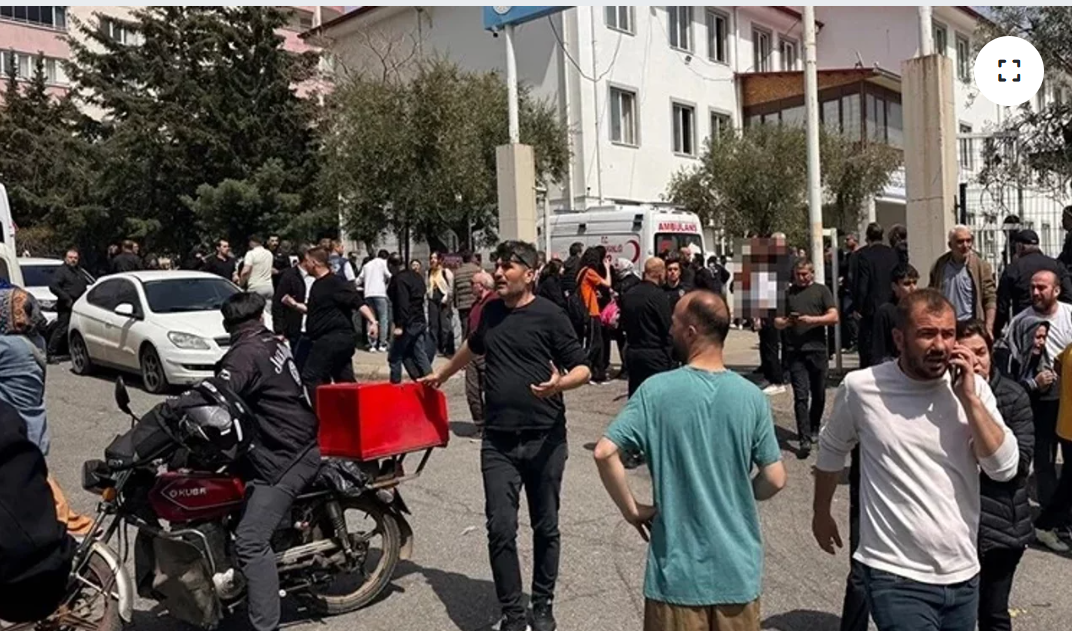
In a harrowing forty-eight-hour window that has left a nation in mourning, Türkiye has been rocked by two unprecedented acts of school violence. On Wednesday, April 15, 2026, the city of Kahramanmaraş became the site of a deadly shooting at Ayser Çalık Middle School, claiming the lives of four individuals and leaving twenty others wounded. This tragedy follows closely on the heels of a similar, though non-fatal, attack in the Siverek district of Şanlıurfa just one day prior, marking a dark turning point for a country where such incidents were once considered nearly unthinkable.
The Kahramanmaraş Massacre
The incident in Kahramanmaraş unfolded during the busy lunch hour at the Ayser Çalık Middle School in the central Onikişubat district. According to Kahramanmaraş Governor Mükerrem Ünlüer, the assailant was identified as an eighth-grade student at the school, known by the initials İ.A.M. Reports indicate the fourteen-year-old entered the school premises heavily armed, allegedly carrying five separate firearms and seven magazines.
The Governor confirmed that the student entered two separate classrooms and began firing indiscriminately. The carnage resulted in the deaths of one teacher and three students. Among the twenty injured, at least four remain in critical condition and are undergoing emergency surgery at local medical facilities. The suspect, cornered during the ensuing chaos, reportedly turned one of the weapons on himself and died at the scene.
Authorities have revealed a chilling detail regarding the origin of the weaponry. The suspect’s father is reportedly a former law enforcement official, and it is believed the student gained access to his father’s service and personal weapons to carry out the massacre. The sheer volume of firepower brought onto a middle school campus has raised immediate and urgent questions regarding firearm storage and the mental health of minors in high-pressure educational environments.
The Prelude in Şanlıurfa
The shock of the Kahramanmaraş attack was magnified by the fact that the region was already reeling from a shooting in Şanlıurfa on Tuesday, April 14. In that instance, an eighteen-year-old former student entered a vocational high school in Siverek with a pump-action shotgun.
While no fatalities were reported among the victims in the Şanlıurfa incident, sixteen people—including ten students, four teachers, a police officer, and a canteen worker—sustained injuries. That attack also ended in the perpetrator’s suicide as security forces moved in. At the time, Şanlıurfa Governor Hasan Şıldak described it as an “isolated incident,” a sentiment that was tragically upended by the events in Kahramanmaraş less than twenty-four hours later.
A Nation in Grief and Outrage
The response from the Turkish government has been swift, with high-ranking officials including the Minister of National Education, Yusuf Tekin, and the Minister of Interior, Mustafa Çiftçi, rushing to the region to oversee the investigation and offer support to the affected families. However, the political response is being met with a growing wave of public and professional outrage.
Teachers’ unions and parent associations across the country have begun calling for immediate reforms. In May 2024, the killing of a high school principal in Istanbul by a former student had already sparked nationwide protests and demands for a “Healthcare and Education Violence Prevention Law.” These latest incidents have reignited that fire, with many arguing that the current security measures—often involving unarmed private guards or simple turnstile systems—are woefully inadequate against determined assailants.
The Question of Gun Control and Mental Health
Türkiye maintains relatively strict gun control laws compared to many Western nations, requiring rigorous background checks, mental health evaluations, and licensing for legal ownership. However, the Kahramanmaraş shooting highlights a critical vulnerability: the domestic accessibility of legally owned firearms to household members.
Experts are also pointing toward the psychological toll on students in the post-earthquake reconstruction era. Kahramanmaraş and Şanlıurfa were both heavily impacted by the devastating 2023 earthquakes. Psychologists suggest that the trauma of the past few years, combined with the intense academic pressure of the Turkish secondary school transition exams, may be contributing to a burgeoning mental health crisis among the youth that the current educational infrastructure is not equipped to handle.
Looking Forward: A Call for Change
As the funerals for the victims in Kahramanmaraş begin, the conversation in Ankara is shifting toward systemic change. There are calls for permanent police presence in high-risk schools, the installation of metal detectors, and, perhaps most importantly, a massive increase in the number of school counselors and psychologists.
The Ayser Çalık Middle School shooting is not just a local tragedy; it is a wake-up call for a society that has long prided itself on the safety and sanctity of its schools. As the investigation continues into how a fourteen-year-old could bypass security with an arsenal of weapons, the families of the victims are left to grapple with a loss that was once foreign to the Turkish way of life.
The coming weeks will likely see heated debates in the Grand National Assembly regarding the “School Safety Act” and stricter regulations on the storage of firearms by law enforcement and military personnel at home. For now, however, the streets of Kahramanmaraş remain silent, marked only by the sirens of ambulances and the collective grief of a nation.