



Attacks on TurkStream Facilities Raise Energy Security Concerns
 None
None
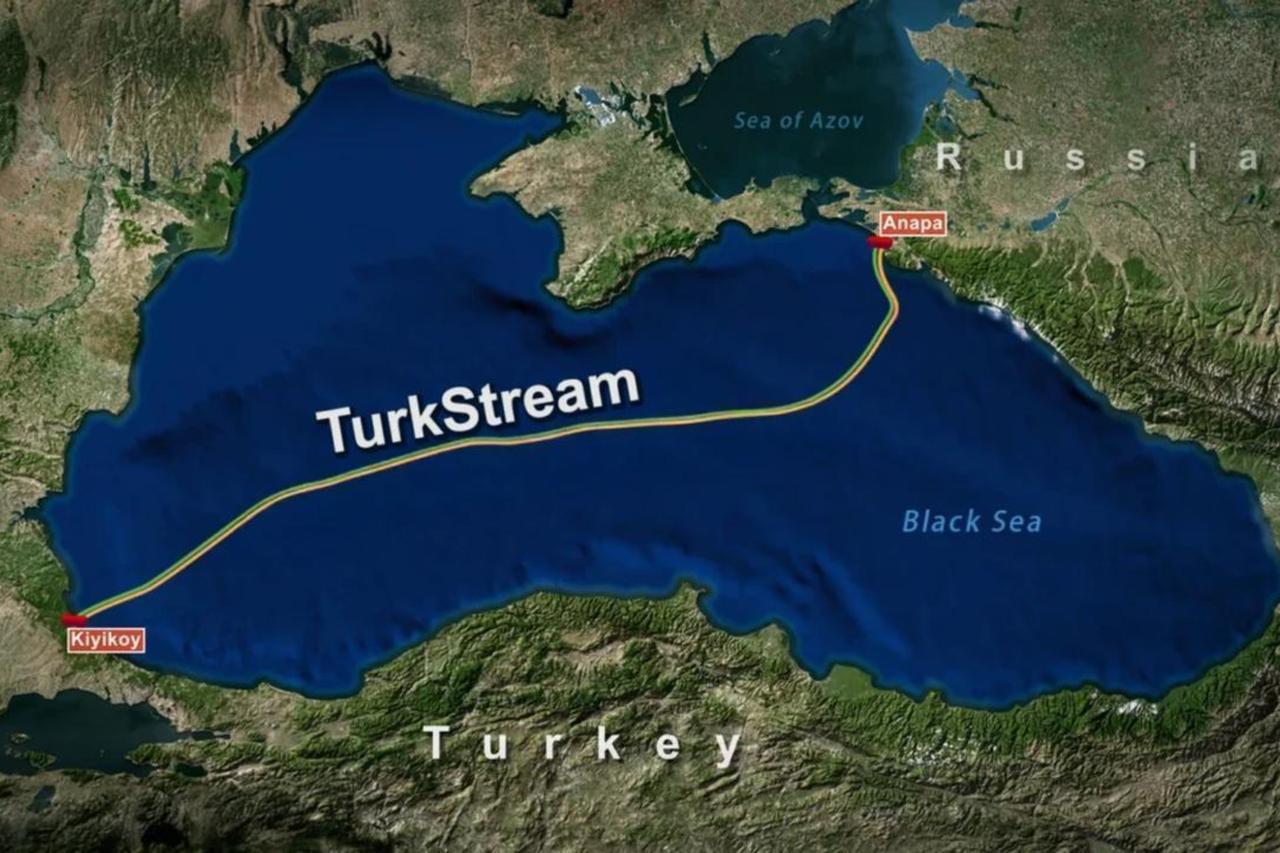
Russia’s Gazprom reported a series of aerial attacks on energy infrastructure linked to the TurkStream pipeline, including the Russkaya pumping station that sends natural gas to Europe via Türkiye. Although the attacks were reportedly repelled, the incidents highlight growing risks to regional energy infrastructure amid the war in Ukraine. At the same time, rising global gas prices and supply uncertainties are increasing financial pressure on Türkiye’s state energy company BOTAŞ, fueling expectations of another domestic natural gas price hike.
Gazprom Reports Attacks on TurkStream Infrastructure
Russian energy giant Gazprom said Wednesday that several of its facilities in southern Russia had come under aerial attack, including the Russkaya compressor station, a key installation that supplies gas to Europe via the TurkStream subsea pipeline.
The company stated that all attacks were successfully thwarted and operations continued without disruption. However, Gazprom noted that facilities connected to both TurkStream and Blue Stream pipelines have been targeted 12 times over the past two weeks, underlining growing risks to critical energy infrastructure.
Ukraine has intensified strikes on Russian energy assets in recent months, including oil refineries and fuel depots, as part of efforts to weaken Moscow’s military capabilities.
Drone Attacks Hit Black Sea Region
The escalation has also affected Russia’s Black Sea region.
Andrei Proshunin, mayor of the resort city of Sochi, said the city had experienced unprecedented drone attacks lasting more than 24 hours.
Although the attacks were repelled, they highlight the vulnerability of energy and logistics infrastructure in southern Russia, an area crucial for gas exports through pipelines serving Türkiye and parts of Europe.
Türkiye Now the Key Transit Route for Russian Gas
Following the European Union’s efforts to reduce dependence on Russian energy, pipeline gas exports from Russia to Europe have fallen sharply.
In 2025, Russian pipeline exports to Europe dropped by 44% to around 18 billion cubic meters, the lowest level since the mid-1970s.
As a result, Türkiye has become the only remaining transit corridor for Russian pipeline gas reaching parts of Europe.
Countries receiving gas through the TurkStream pipeline include:
-
Türkiye
-
Serbia
-
Hungary
-
Slovakia
The strategic importance of the route has therefore increased significantly as alternative supply routes have been curtailed.
Gas Flows Through Blue Stream and TurkStream
Gas deliveries from Russia to Türkiye remain substantial despite geopolitical tensions.
In 2024, Russia exported just over 21 billion cubic meters (bcm) of pipeline gas to Türkiye via the Blue Stream and TurkStream pipelines.
Supply volumes continued to grow in 2025, with deliveries through the two pipelines rising by roughly 28% in the first half of the year to around 11 bcm.
At full capacity, the pipeline system can transport roughly 47 million cubic meters of gas per day.
Türkiye and Russia recently extended contracts covering 22 bcm of annual gas deliveries through Blue Stream and TurkStream until the end of 2026, securing medium-term supply despite broader geopolitical tensions.
Supply Risks Highlight Türkiye’s Energy Exposure
Despite progress in diversifying its energy mix, Türkiye remains significantly dependent on imported natural gas.
Russia currently supplies roughly 40–42% of Türkiye’s natural gas imports through the two major pipelines.
Energy analysts warn that additional supply disruptions — particularly if Middle Eastern supplies were affected — could expose vulnerabilities in Türkiye’s energy system.
Iran typically provides 14–17% of Türkiye’s gas supply, although deliveries have occasionally been disrupted by domestic shortages in Iran.
A complete halt in Iranian supplies could create a shortfall of 8–10 bcm annually.
Liquefied natural gas imports from Qatar also constitute an important component of Türkiye’s gas portfolio, though their share has fluctuated in recent years as the country has expanded purchases from the U.S. and Algerian LNG markets.
LNG Infrastructure Provides Some Flexibility
Türkiye has significantly strengthened its LNG infrastructure in recent years, improving its ability to manage supply disruptions.
BOTAŞ has expanded its regasification capacity to around 161 million cubic meters per day, enabling the country to replace lost pipeline volumes with spot LNG cargoes from global markets.
Domestic production is also gradually increasing.
Output from the Sakarya gas field in the Black Sea now covers roughly 4–6% of Türkiye’s gas demand, with production expected to rise further in the coming years.
These developments have made Türkiye less vulnerable to severe supply disruptions than during previous energy crises.
Electricity Sector Would Face Immediate Pressure
A gas supply shock would likely be felt most quickly in the electricity sector.
Natural gas-fired power plants account for approximately 19–23% of Türkiye’s total electricity generation and play a crucial role in balancing the grid, particularly when hydropower or wind output is low.
A sudden drop in gas supply could lead to:
-
Higher wholesale electricity prices
-
increased reliance on coal-fired generation
-
potential load-shedding measures for heavy industry
Coal already provides roughly 36% of Türkiye’s electricity, while renewable sources such as wind and solar now account for around 18%, offering an increasingly important buffer against energy supply shocks.
Financial Pressure Mounts on BOTAŞ
At the same time, financial pressure is mounting on Türkiye’s state energy company BOTAŞ.
A government report released in late 2025 revealed that BOTAŞ recorded a net loss of roughly $1 billion (44.9 billion lira) in 2024, largely because it continued selling gas below market cost to shield households from rising energy prices.
In order to ease pressure on public finances, the government implemented significant tariff increases in July 2025:
-
Residential gas prices rose 24.6%
-
Industrial tariffs increased 7.86%
Even after those adjustments, analysts say energy prices in Türkiye remain heavily subsidized.
Rising Global Gas Prices Increase Pressure for a New Hike
Market conditions are now putting renewed pressure on domestic gas prices.
The Dutch TTF natural gas benchmark, widely used as a reference for spot LNG purchases by Türkiye, has surged from around €32 per megawatt hour in late February to nearly €50/MWh.
Geopolitical tensions in the Middle East, disruptions to LNG production in Qatar, and uncertainty surrounding shipping routes through the Strait of Hormuz have contributed to the price surge.
Energy experts say these developments make another price adjustment increasingly likely.
Energy analyst Dr. Mühdan Sağlam has warned that if current market conditions persist, a natural gas tariff increase in April could become unavoidable.
Energy Markets Enter Another Period of Volatility
The combination of geopolitical conflict, infrastructure risks, and rising global prices is once again putting energy markets under pressure.
While Türkiye now has a more diversified energy system and expanded LNG capacity, global price shocks continue to feed directly into domestic energy costs.
Related articles
Russia Accuses Ukraine of Attacks on TurkStream Pipeline, Shares ‘Evidence’ with Turkey
BREAKING: Russia Says Ukraine Targeted Infrastructure of Gas Pipeline to Turkey

Vladimir Putin: Turkish gas hub can easily be implemented