ANALYSIS: Where Are Inflation and Interest Rates Heading?
 inflation
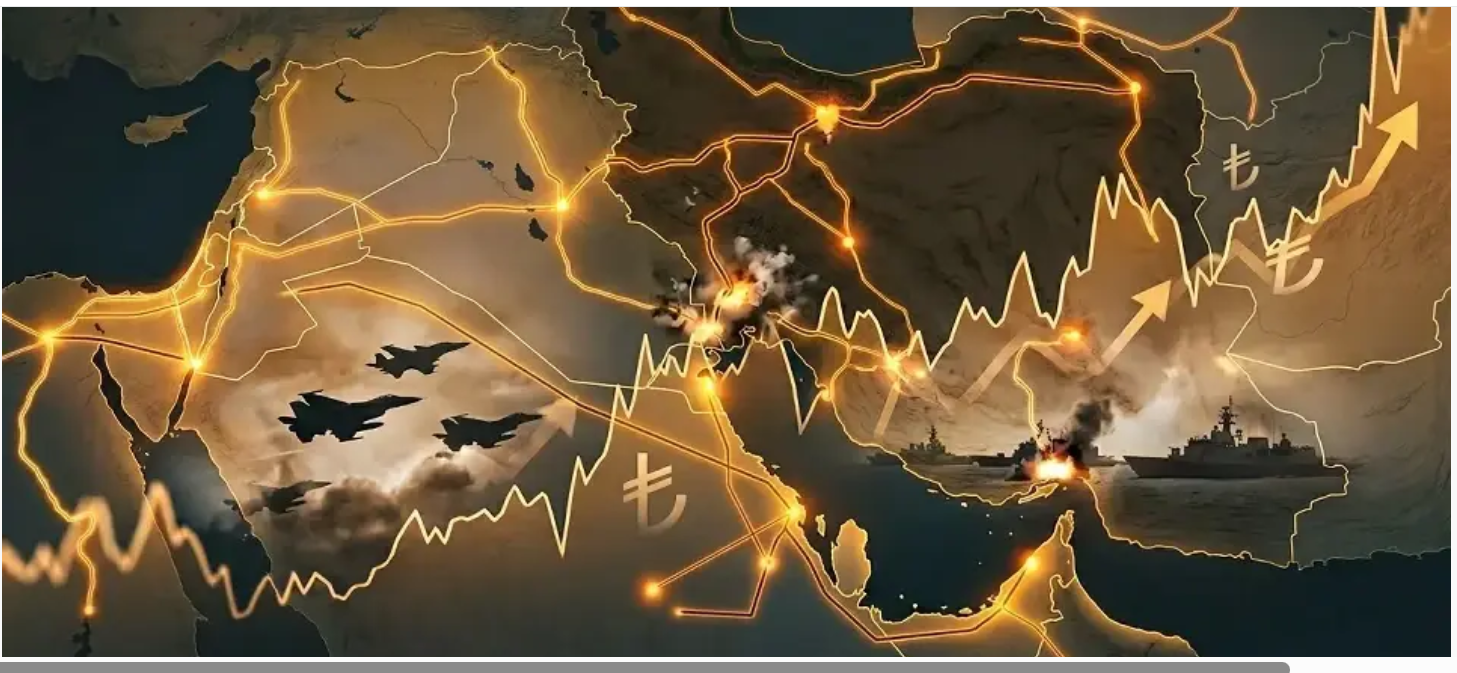
The inflation data for March 2024 released today offers a mix of short-term relief and long-term anxiety for the Turkish economy. While monthly CPI rose by 1.94%—coming in below market expectations and pulling annual inflation down to 30.9%—analysts warn that the “energy and war” axis is creating a treacherous path for the remainder of the year.
We have compiled the latest assessments from leading investment banks and brokerages regarding the inflation outlook and the Central Bank of the Republic of Türkiye’s (CBRT) upcoming policy moves.
1. The “Food Reprieve” vs. The “Energy Storm”
The consensus among analysts is that the aggressive food price hikes seen in the first two months of the year finally decelerated in March, but surging oil prices are already filling that vacuum.
-
Tacirler Investment: Notes a significant “extinguishing” of food price momentum. However, they warn that with oil prices sustained above $100, the pass-through effect of energy will strengthen in April. They have revised their year-end inflation forecast upward from 23% to over 26%.
-
Ak Investment: Points out that while the downward surprise in inflation was driven by food, the negative impact of war-related energy prices has already begun. They expect indirect effects to become more pronounced throughout April.
-
İş Bankası: Highlights that the recent adjustment in bread prices (a 17% hike) and the delayed effects of high oil prices will exert significant upward pressure on the April data.
2. Will the CBRT Hike or Hold?
While the slight slowdown in the underlying trend of inflation has eased immediate pressure for some, the geopolitical climate has effectively “shelved” any talk of interest rate cuts.
-
Şeker Investment: Argues that a more cautious monetary stance is now mandatory. Due to geopolitical risks, they have raised their year-end policy rate expectation from 29% to 32%. However, they view the probability of a massive hike to 40% (the current funding level) in April as weak, provided there is a signal of diplomatic de-escalation.
-
ING: Suggests the CBRT may rely on reserve management and the interest rate corridor rather than a direct policy rate hike to maintain financial stability. They anticipate the bank may allow a controlled acceleration in the depreciation of the Lira to balance the accounts.
-
Hayat Emeklilik: Confirms that the prevailing market expectation for the April meeting is to keep the policy rate constant. Despite the lower-than-expected March print, the uncertainty regarding the duration of the conflict remains the “primary barrier” to any rate cuts.
3. Structural Risks and the Stagflation Threat
Beyond short-term price movements, analysts are sounding the alarm on a deeper “supply-side” catastrophe for 2026.
-
Ziraat Investment: Warns that despite the headline drop, core inflation indicators and CPI excluding seasonal products (%2.22) remain well above historical averages. They predict that the delayed effects of energy and commodity spikes will be the dominant theme for the rest of 2026.
-
CBRT Forecast Deviations: Şeker Investment reminds markets that the CBRT’s internal budget was based on oil at $60/barrel. With current prices nearly 80% above that target, a more “hawkish” stance is becoming a mathematical necessity for the bank to maintain credibility.
Summary: What to Expect?
The common thread among experts is clear: The drop in headline inflation is deceptive. The proximity of the “sliding scale” (Eşel Mobil) fuel tax system to its limits, physical oil prices ranging between $110–$140, and the rise in idle labor rates to 29.9% (as noted by Ak Investment) suggest an economy that is overheating in costs while contracting in production—the classic definition of Stagflation.
The Verdict: While a rate cut in April is seen as impossible, the CBRT is expected to adopt a “wait-and-see” strategy, likely holding the policy rate steady while utilizing the interest rate corridor for “hidden” tightening.
Contributors: Tacirler Investment, ING, Şeker Investment, Ziraat Investment, İş Bankası, Hayat Emeklilik, Ak Investment.
Related articles

Turkish part of Cyprus reels under lira crisis amid stark dependence on Ankara
Nikkei Asia: Turkish elections may hinge on short window of lira calm

Atilla Yesilada: 2026 Investment Outlook: Navigating Global Shocks and Turkey’s High-Growth Themes