ANALYSIS: Iran War Unlikely to Offset Domestic Demand Strength as External Imbalances Widen
 dis-ticaret2
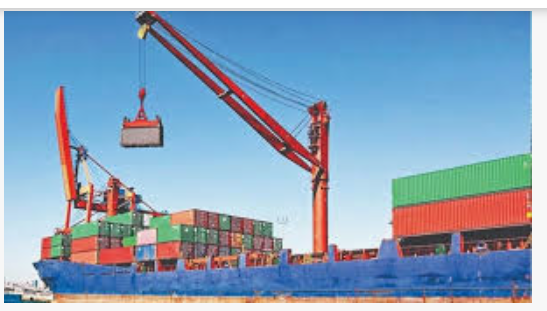
Turkey’s February trade data show resilient domestic demand but a worsening external balance. Rising energy and gold imports are widening the trade deficit, and the fallout from the Iran conflict could push the current account gap significantly higher despite expected moderation in consumption.
Trade Deficit Widens in February
According to official data, Turkey’s external balance deteriorated further in February.
- Exports rose 1.5% year-on-year to $21 billion
- Imports increased 5.5% to $30 billion
As a result, the trade deficit widened from $8.4 billion in January to $9 billion.
The increase was largely driven by higher energy and gold imports, which continue to exert pressure on the external balance.
Core Balance Also Deteriorating
Even when excluding volatile components such as energy and gold, the underlying trend remains weak.
- Core exports: up 4.4% to $19.9 billion
- Core imports: up 12.8% to $22.9 billion
This resulted in a $3 billion deficit in the core balance.
For the January–February period:
- Total trade deficit: $17.4 billion
- Export-to-import coverage ratio: 70.4%, down from 73.2% a year earlier
This points to a clear deterioration in the underlying trade dynamics.
CBRT Signals Caution Amid Rising Risks, Offers No Clues on April Rate Decision
Energy and Gold Imports Drive Imbalance
The pressure from key import categories remains significant.
- Gold imports: $2.2 billion in February, $3.9 billion year-to-date
- Energy imports: $4.9 billion in February, $10.3 billion in the first two months
With energy prices rising amid geopolitical tensions, the import bill is expected to increase further.
Domestic Demand Remains Resilient
Despite external weakness, domestic demand continues to show strength.
- Consumer goods imports: $4.1 billion in February
- Durable goods imports: up 17% month-on-month
- Passenger car imports: up 22% to $1.3 billion
These indicators suggest that household consumption remains robust.
But Demand Strength May Fade
February data do not yet fully reflect the impact of the US-Iran conflict.
Looking ahead:
- Rising energy costs
- Tightening financial conditions
are expected to weigh on consumption.
However, any slowdown in domestic demand is unlikely to fully offset the deterioration caused by higher energy imports.
Current Account Deficit Set to Widen
The current account deficit is expected to remain elevated.
- February deficit forecast: around $7.3–7.4 billion
Weaker services income, particularly from tourism, is also contributing to the deterioration.
The full-year current account deficit is now likely to exceed earlier projections.
- Previous estimate: $36 billion (2.1% of GDP)
- Revised expectation: around $45 billion (2.6% of GDP)
This reflects the impact of higher energy prices following the Iran conflict.
ANALYSIS: February employment data very weak underneath the headline
Industrial Production Shows Signs of Recovery
Trade data provide some positive signals for industrial activity.
- Intermediate goods imports (ex. energy & gold):
- Up 6.7% month-on-month
- Up 16.4% year-on-year
Meanwhile, the Istanbul Chamber of Industry PMI:
- Rose from 48.1 to 49.3 in February
- Reached its highest level since April 2024
These indicators suggest a partial recovery in industrial production following a sharp contraction in January.
Conclusion: Diverging Trends Raise Policy Challenges
February data highlight a growing divergence in Turkey’s economy:
- Domestic demand remains strong
- External balances are deteriorating rapidly
The Iran conflict and rising energy prices are likely to amplify external vulnerabilities, while any slowdown in consumption may not be sufficient to offset the widening deficit.
This leaves policymakers facing a delicate balance between maintaining growth and containing external risks.
Related articles
Türkiye Can Withstand Economic Shock From Iran War, Says Vice President Cevdet Yılmaz
CBRT Gold Sales Add Pressure to Global Bullion Prices

Morning Brief: Markets whipsawed by Iran war headlines as brief “Trump rally” fades