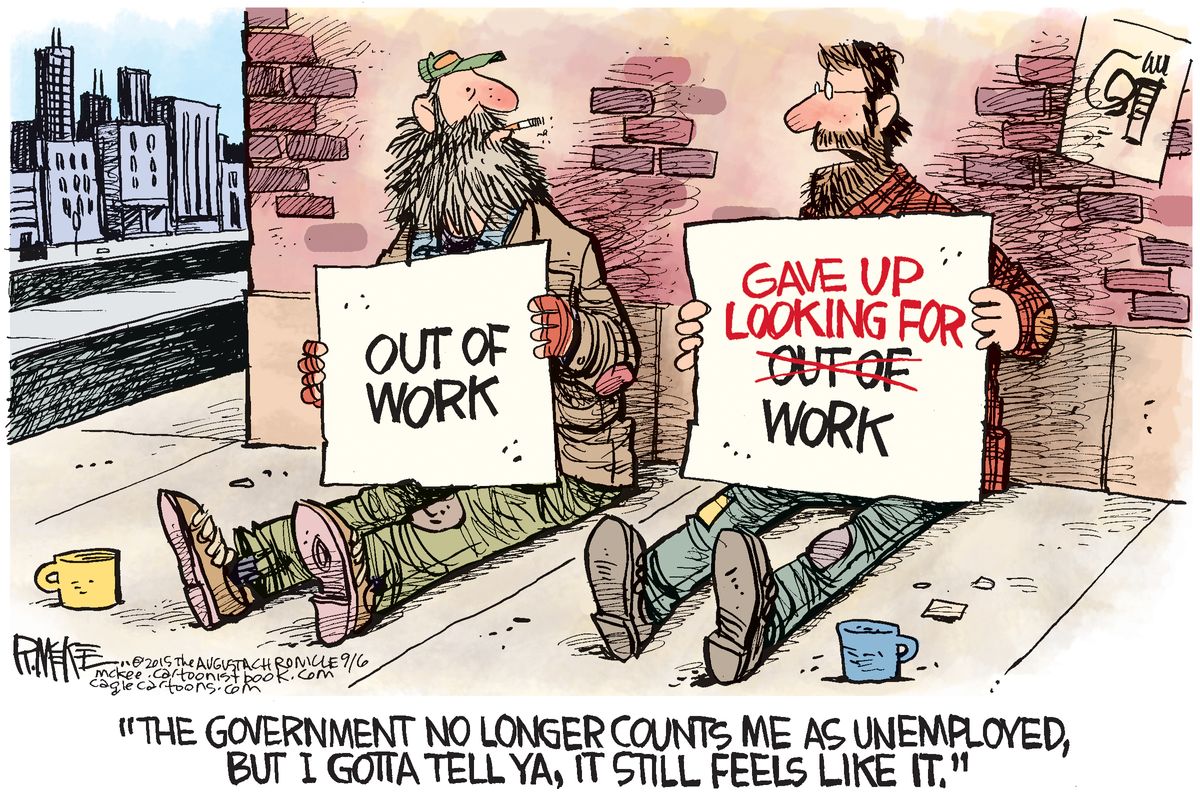
ANALYSIS: February employment data very weak underneath the headline
 issizlik
Employment Rises, But Unemployment Climbs: Broad Based Unemployment Borders 30%
Turkey’s labor market delivered mixed signals in February, with employment increasing but unemployment also rising. Broader measures of labor slack point to weakening momentum, suggesting that the recovery in jobs may be more fragile than headline figures imply.
Employment Gains Fail to Lower Unemployment
February data revealed a paradox in Turkey’s labor market: more people found jobs, yet unemployment still increased.
According to seasonally adjusted figures:
- The unemployment rate rose from 8.2% to 8.8%
- Employment increased by 153,000 to 32.2 million
- Labor force participation rose by 286,000 to 35.1 million
As a result, the number of unemployed increased by 133,000 to 2.98 million.
The rise in unemployment reflects the faster expansion of the labor force relative to job creation.
Broader Unemployment Measures Worsen
Alternative indicators suggest a more concerning picture beneath the surface.
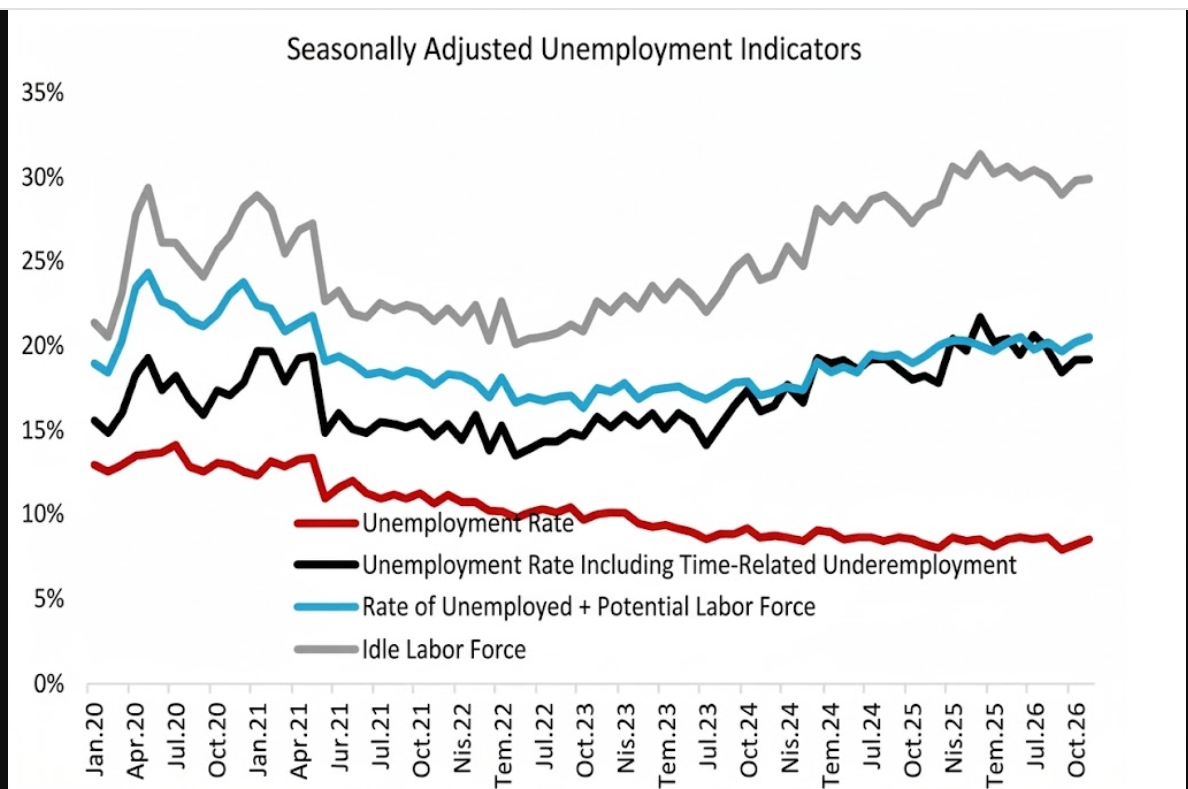
- Time-related underemployment: 19.2% (unchanged)
- Combined unemployment and potential labor force: rose to 20.6%
- Broad labor underutilization rate: increased from 28.8% to 29.9%
These figures indicate that labor market slack is expanding, even as headline employment grows.
Full-Time Employment Remains Fragile
While full-time employment showed an increase in February, the broader trend remains weak.
Three-month averages suggest:
- Both total employment
- And full-time employment
are still in negative territory.
This points to a lack of sustained improvement in job quality and stability.
Job Gains Driven Mainly by Men
The increase in employment was largely driven by gains among men.
- Male employment: +152,000
- Male labor force participation: +211,000
- Male unemployment rate: rose from 7.6% to 9.6%
Among women:
- Labor force participation increased by 75,000
- Unemployment rose from 11.0% to 11.6%
Participation rates remain significantly lower for women:
- Men: 70.5%
- Women: 35.2%
This highlights persistent structural imbalances in the labor market.
Atilla Yesilada: Damage Assessment: Taking Stock of the Economic Fallout
Signs of Slowing Economic Activity
The February labor data point to a broader slowdown in economic momentum.
- Employment growth is not sufficient to absorb new entrants
- Broader unemployment indicators are rising
- Demand conditions remain weak
Early indicators for the first quarter of 2026 suggest a flat and fragile economic outlook.
Geopolitical Risks Add Pressure
Rising geopolitical tensions are beginning to tighten domestic financial conditions.
This is likely to:
- Weigh on business activity
- Reduce hiring appetite
- Increase downside risks for the labor market
Conclusion: Hidden Weakness Beneath the Surface
February’s data reveal a labor market that is expanding—but not strengthening.
Despite rising employment:
- Unemployment is increasing
- Broad labor slack is widening
- Full-time employment trends remain weak
This suggests that Turkey’s labor market may face greater challenges in the coming months if economic momentum does not improve.