Alarm in Türkiye: 92% of Public Says Youth Crime and Violence Are Rising
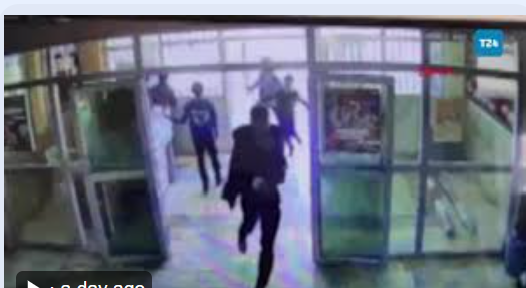 okul saldırı
A series of school attacks in Şanlıurfa and Kahramanmaraş has reignited concerns over public safety in Türkiye, as new survey data reveal overwhelming public belief that crime and violence among young people are increasing. The findings point to deepening social anxiety, declining trust in institutions, and growing pessimism among youth.
School Attacks Highlight Security Concerns
Recent attacks targeting schools in Şanlıurfa and Kahramanmaraş have once again exposed vulnerabilities in Türkiye’s education system.
According to political scientist Murat Somer, at least 46 violent incidents have occurred in schools since September 2023. During the tenure of Education Minister Yusuf Tekin, 37 teachers and students have lost their lives.
Experts increasingly argue that these incidents are not isolated but reflect deeper structural problems.
New Incidents and Security Operations
In one recent case, a suspect posing as a parent attempted to carry out a knife attack at a school in Siverek, Şanlıurfa. The attack was prevented, and the individual was detained.
In Kahramanmaraş, a high school student who threatened a bombing was arrested. Authorities reported discovering weapons and assault equipment at the suspect’s home.
Following these incidents, security forces launched a broad crackdown on related threats and online activity.
Hundreds Detained, Online Content Blocked
According to a statement from the General Directorate of Security:
- 411 individuals were detained
- Access to 1,866 URLs was blocked
- 307 social media accounts spreading provocative content were identified
- 111 Telegram channels linked to a group known as “C31K” were shut down
Authorities said operations against content deemed harmful to public order are ongoing.
Survey Shows Deepening Public Anxiety
Amid these developments, a nationwide survey by GÜNDEMAR Research highlights the scale of public concern.
Conducted between January 21–24, 2026 across 60 provinces with 2,255 participants, the survey found:
- 92% believe crime and violence among youth have increased
- 6% say it has remained unchanged
- Only 2% believe it has declined
Youth Losing Hope in the Future
The survey also reveals growing pessimism among young people.
- 77% of respondents believe youth do not look to the future with hope
- Only 10% think they remain optimistic
- 12% are undecided
This suggests a significant erosion of confidence in future prospects.
Rising Despair Linked to Crime
When asked about the consequences of increasing youth despair:
- 59% said it would lead to more crime and violence
- 16% pointed to social alienation
- 11% cited brain drain
- 10% highlighted substance abuse
These findings indicate a strong perceived link between socio-economic conditions and security risks.
“Culture of Impunity” Perception Grows
Public trust in the justice system appears weak:
- 85% believe offenders are not adequately punished
- Only 14% think penalties are sufficient
This perception of impunity is increasingly seen as a factor contributing to rising crime.
Government Response Viewed as Insufficient
The survey also assessed perceptions of state efforts to combat crime and violence:
- 70% consider government measures insufficient
- 16% find them adequate
- 12% remain neutral
These results point to widespread dissatisfaction with current policies.
A Broader Social Challenge
The combination of rising school violence, youth pessimism, and declining institutional trust suggests a deepening social challenge in Türkiye.
Experts emphasize that addressing the issue will require more than security measures, calling instead for comprehensive policies that tackle economic hardship, inequality, and social cohesion.