Access to Medical Imaging in Turkish Public Hospitals Becomes Increasingly Difficult
 medical-imaging-in-turkey
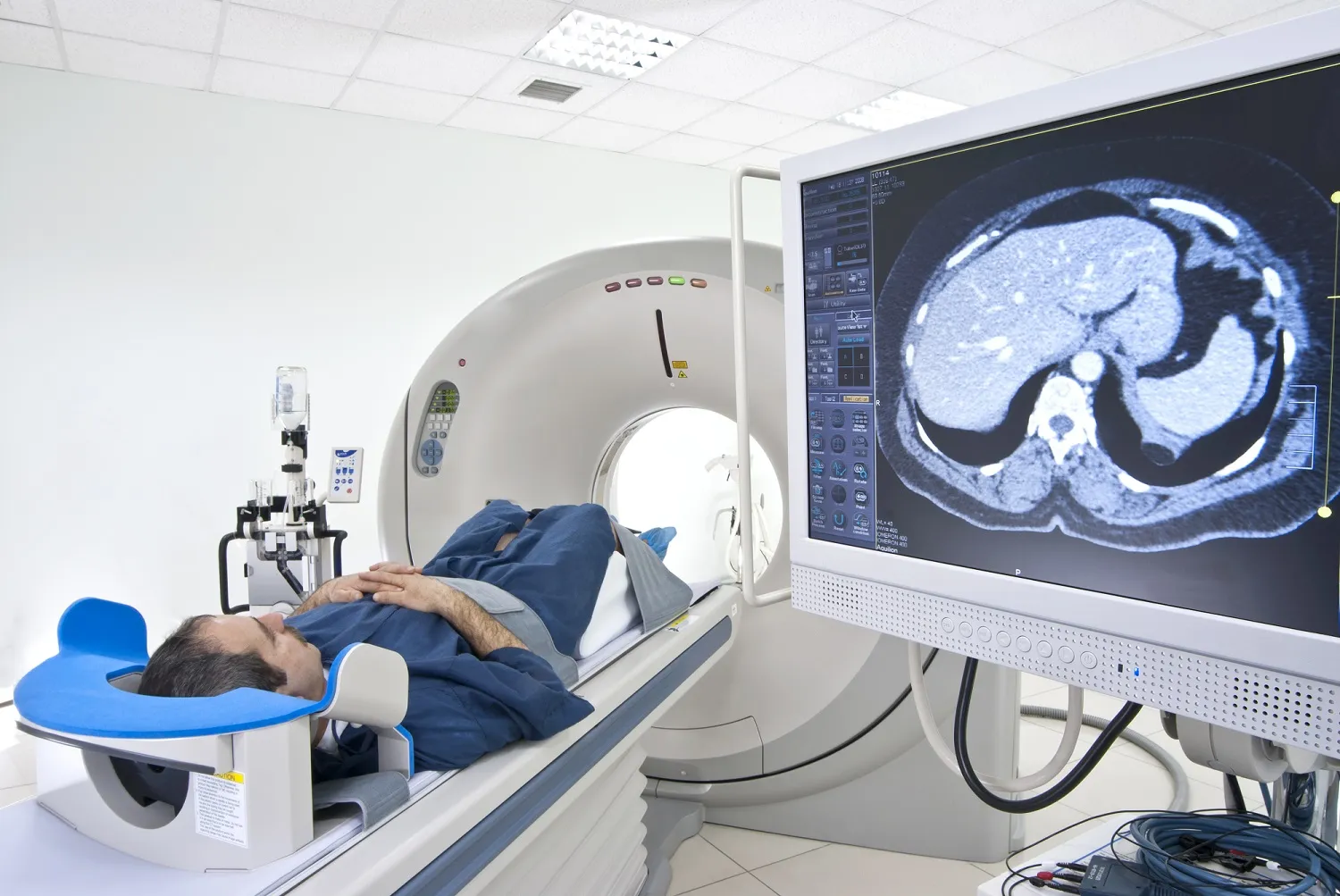
Access to essential medical imaging services in Turkey’s public hospitals is becoming more restricted, as patients face months-long waiting periods for ultrasound, CT (computed tomography), and MRI (magnetic resonance imaging) scans. As appointment delays increase, patients are increasingly compelled to seek paid services at private hospitals and imaging centers, raising concerns about equity, diagnostic safety, and the sustainability of public health care.
Healthcare professionals warn that the problem goes beyond waiting times. According to the Turkish Medical Association (TTB), the widespread use of outsourced imaging services has contributed to an increase in diagnostic errors, while overall access to healthcare continues to deteriorate.
In many public hospitals, even basic ultrasound appointments are reportedly scheduled three months in advance. CT and MRI scans often involve even longer delays, creating serious risks for patients whose diagnoses depend on timely imaging.
Doctors Warn of Diagnostic Errors Linked to Outsourcing
Speaking to Cumhuriyet, Turkish Medical Association Central Council President Alpay Azap highlighted alarming findings from a recent study conducted by the Bursa Medical Chamber. The study, which surveyed 247 physicians, found that 83 percent had encountered incorrect CT or MRI results within the past year.
Azap explained that long waiting times for imaging are not new, particularly for CT and MRI scans. However, he said authorities attempted to address the backlog by outsourcing imaging interpretation to private service providers.
“To deal with the delays in CT and MRI, external service procurement was introduced,” Azap said. “The images are sent to a private company and reported by doctors who work externally. The physician interpreting the scan has no knowledge of the patient’s clinical condition and no means to communicate with the physician who requested the test. There is also no effective oversight of whether the images are interpreted correctly. As a result, we have begun to encounter serious deficiencies and errors in CT and MRI reports.”
According to Azap, this fragmented system undermines clinical decision-making and increases the likelihood of misdiagnosis, delayed treatment, and unnecessary repeat tests.
Rising Patient Load Fuels Overuse of Imaging
Istanbul Medical Chamber Secretary General Ertuğrul Oruç pointed to structural pressures within the healthcare system as another key driver of the crisis. He noted that the Ministry of Health has steadily increased the number of patients physicians are expected to examine each day, reducing the time available per patient.
“This leads to shorter examination times,” Oruç said. “When physicians are unable to allocate sufficient time to a patient, their first and understandable reflex is to rely more heavily on imaging methods. In medical literature, this behavior is referred to as ‘defensive medicine.’”
Defensive medicine, Oruç explained, involves ordering additional tests not necessarily because they are clinically required, but as a protective measure against uncertainty and potential legal consequences.
Malpractice Lawsuits Deepen the Problem
Oruç added that malpractice lawsuits play a significant role in reinforcing defensive medical practices. Under increasing legal pressure, physicians feel compelled to request additional diagnostic tests, including radiologic imaging, to protect themselves against potential claims.
“Under these conditions, doctors tend to request more radiological imaging, along with other tests, as a way to safeguard themselves,” he said.
Experts warn that this cycle—higher patient quotas, reduced examination time, increased reliance on imaging, and outsourcing—places further strain on an already overwhelmed system, exacerbating delays and reducing diagnostic quality.
Patients Forced Into Private Healthcare
For patients, the consequences are immediate and financial. One patient, identified as N.S.K., described being given an ultrasound appointment three months later despite ongoing symptoms.
“Due to long-standing stomach problems, I went to a public hospital, and a ‘full abdominal ultrasound’ was requested for diagnosis,” N.S.K. said. “It was already late January, and the hospital told me the earliest appointment they could offer was April 5. Waiting that long without knowing the course of the illness meant putting my health at risk.”
Unable to wait, N.S.K. said they had no choice but to turn to a private imaging center.
“As a result, because I could not benefit from the so-called ‘free’ public healthcare service, I was forced to seek private imaging services,” the patient said. “How are people who cannot afford this supposed to receive treatment?”
Growing Inequality in Access to Care
Healthcare organizations argue that the imaging crisis is deepening inequality in access to medical services. While patients with sufficient financial means can bypass delays by paying out of pocket, those without resources are left waiting, potentially allowing conditions to worsen.
The Turkish Medical Association has repeatedly called for an end to widespread outsourcing, improved staffing levels in radiology departments, and a restructuring of patient load expectations for physicians. Without such reforms, doctors warn that both patient safety and public trust in the healthcare system will continue to erode.
As imaging plays a critical role in early diagnosis and treatment planning, delays and inaccuracies carry significant risks. Experts caution that unless systemic issues are addressed, access to timely and reliable medical imaging in public hospitals will remain a growing public health concern.
Related articles
Turkish Medical Association: Easing restrictions will carry the virus from Istanbul to all provinces

2,600+ doctors depart Turkey for overseas positions in 2022

Head of Turkish medical association arrested for ‘terror propaganda’