A New Era in US-Turkey Relations: A “Smooth Alliance Partnership” Opens Doors for Borsa Istanbul Profit Growth
 tr usa
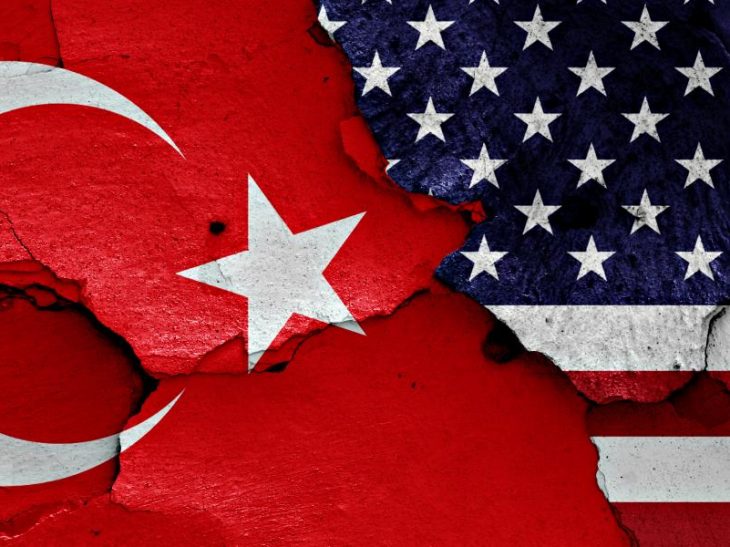
Gedik Investment has released a comprehensive report analyzing the strategic transformation of Turkish-American relations following the start of President Trump’s second term in January 2025. The analysis indicates that, unlike previous periods, relations have transitioned into a more pragmatic, deal-oriented, and “smooth alliance partnership”.
Three Main Pillars of Strategic Cooperation
The report highlights that the improvement in this new era is concentrated in three key areas:
-
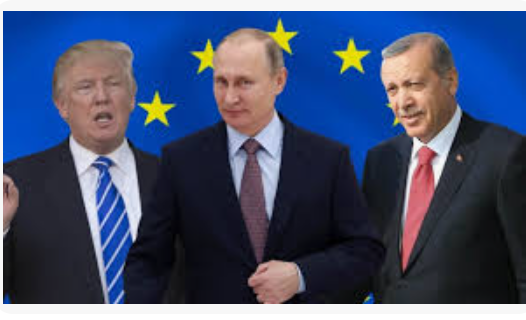
Defense Industry Thaws: The Erdogan-Trump summit at the White House in September 2025 opened a new page in arms and trade agreements. Trump’s signals regarding Turkey’s potential re-entry into the F-35 program and the possibility of lifting CAATSA sanctions could reshape the defense ecosystem.
-
LNG Move in Energy Diplomacy: Turkey has strengthened its ties with the US in energy security by signing a massive agreement for 70 billion cubic meters of LNG. Furthermore, the memorandum of understanding for global oil exploration signed between TPAO and Chevron in February 2026 confirms the deepening of energy cooperation.
-
Regional Reconstruction: Turkey’s active role in diplomacy and peace efforts in Syria and the broader region is opening a strategic door for Turkish companies in the physical reconstruction process.
Company Analysis: Which Company Will Be Affected, and How?
Gedik Investment lists companies expected to benefit from this new era and highlights their positions regarding US/Regional relations:
Companies Focused on the US Market and Cooperation
-
Borusan Boru: Having realized approximately two-thirds of its sales to the US, this company is positioned as one of the direct beneficiaries of the new era due to its factories and investments in the region.
-
Kordsa: With 36% of its sales originating from the Americas, the company holds a strong position in this market with its production facility in Chattanooga, Tennessee.
-
Şişecam: 74% of its soda ash capacity (totaling 10.6 million tons/year) is located in the US, and the company is continuing investments in additional soda ash and port infrastructure.
-
Aselsan: Holds high potential for increased orders and integration into the global defense ecosystem if US sanctions are lifted.
-
Tofaş: Aims to export 23% of the 1 million vehicles targeted for production in its KO project through 2032 to North America.
-
Astor Enerji: Although its current US share is limited to 1-2%, the strategic target is to increase this share to 10-15%.
Turkey Weighs $500 Billion U.S. Energy Deal Linked to Potential F-35 Purchase
Companies Focused on Regional Reconstruction
-
Tekfen Holding: With 68% of its backlog coming from the Middle East, this company is among those poised to benefit most from regional stability.
-
Enka İnşaat: 10% of the company’s backlog is from the US, while one-third is from Iraq and Libya, showcasing strength in both Western and Eastern axes.
-
Kocaer Çelik: Conducts approximately 45% of its sales in the MENA (Middle East and North Africa) region.
-
Doğuş Otomotiv: Focused on the region by signing a letter of intent with VW AG in July 2025 for sales and after-sales services in the Iraqi and Azerbaijani markets.
-
Banking Sector: The easing of legal processes and sanctions on institutions like Halkbank could support investment appetite and credit demand across the sector.