US and Iran Showing Flexibility on Nuclear Deal, Turkey’s Foreign Minister Says
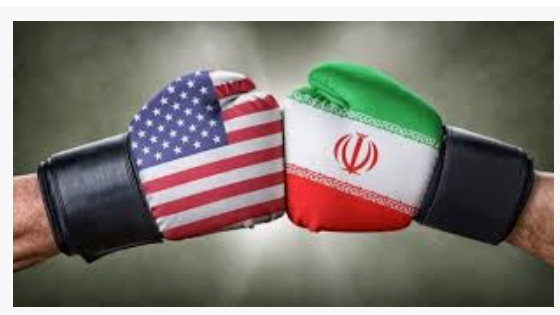 abd iran
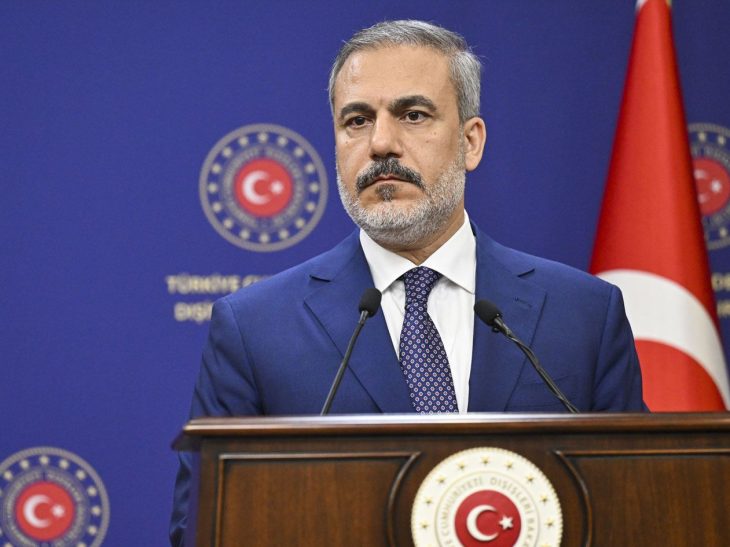
Turkish Foreign Minister Hakan Fidan said the United States and Iran are demonstrating increased flexibility in ongoing nuclear negotiations, according to an interview published by the Financial Times. Washington appears willing to tolerate limited Iranian uranium enrichment within defined boundaries, signaling potential room for compromise despite persistent regional tensions.
Signs of Pragmatism in Nuclear Talks
The United States and Iran are displaying flexibility in negotiations over Tehran’s nuclear program, Turkey’s Foreign Minister Hakan Fidan said in an interview with the Financial Times published Thursday.
“It is positive that the Americans appear willing to tolerate Iranian enrichment within clearly set boundaries,” Fidan said.
Fidan, who has been involved in diplomatic contacts with both Washington and Tehran, indicated that both sides increasingly recognize practical constraints.
“The Iranians now recognize that they need to reach a deal with the Americans, and the Americans understand that the Iranians have certain limits. It’s pointless to try to force them,” he added.
Enrichment Remains the Core Issue
Washington has previously demanded that Iran relinquish its stockpile of uranium enriched up to 60% purity — a level technically close to the 90% threshold considered weapons-grade.
Iranian President Masoud Pezeshkian has insisted that Tehran will continue to demand the lifting of financial sanctions while maintaining what it describes as its sovereign right to nuclear enrichment.
Fidan told the FT that he believes Tehran “genuinely wants to reach a real agreement” and would be willing to accept:
-
Restrictions on enrichment levels
-
A strict international inspection regime
Similar provisions were included in the 2015 nuclear agreement between Iran, the United States, and other world powers.
Military Pressure and Diplomatic Calculations
The comments come amid renewed diplomatic efforts. U.S. and Iranian officials held talks in Oman last week in an attempt to revive negotiations.
The diplomatic push follows heightened military signaling by Washington. President Donald Trump recently positioned a naval flotilla in the region and said he was considering deploying a second aircraft carrier to the Middle East.
The developments have raised concerns about potential military escalation even as negotiations resume.
Warning Against Expanding Talks
Fidan cautioned that broadening negotiations beyond the nuclear file could destabilize the process.
Expanding discussions to include Iran’s ballistic missile program, he said, would bring “nothing but another war.”
The U.S. State Department and the White House did not immediately respond to requests for comment.
Regional Implications
The outcome of the negotiations carries significant consequences for:
-
Middle East security dynamics
-
Global energy markets
-
U.S.–Iran relations
-
Broader geopolitical stability
Turkey has positioned itself as a diplomatic interlocutor amid the rising tensions, advocating for negotiated solutions over military confrontation. However, a pro-Iran tilt is visible in Fidan’s comments regarding expanding talks to ballistic missiles.
Turkey needs to tread a needle among a hesitant Trump dealing with a rebellious Congress, Netanyahu desperately wishing to deal a mortal blow to its wounded arch-enemy and a corrupt Iranian regime whose way of dealing with latest protests have been repugnantly violent.
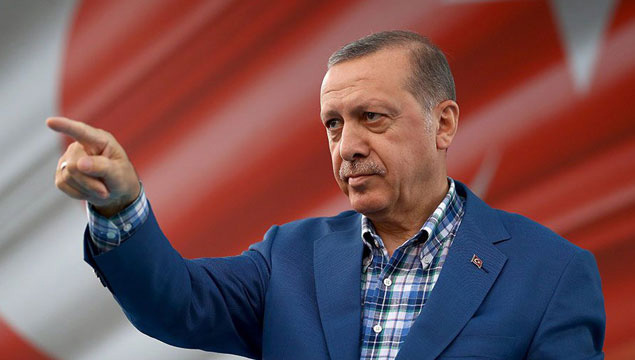
Erdogan would be extremely careful not to offend Trump, from whom he expects several favors such as the withdrawal of the Halkbank money laundering case and ending CAATSA sanctions. On the other hand, Turkey knows if the mollah regime is gone, Netanyahu’s next target could be attacking the country across new fronts such as Syria and military cooperation with the Greek Cypriote Administration and Greece.
Commentary by PA Turkey staff, FT, Reuters
PA Turkey intends to inform Turkey watchers with diverse views and opinions. Articles on our website may not necessarily represent the view of our editorial board or count as endorsement.
Follow our English YouTube channel (REAL TURKEY):
https://www.youtube.com/channel/UCKpFJB4GFiNkhmpVZQ_d9Rg
Twitter: @AtillaEng
Facebook: Real Turkey Channel: https://www.facebook.com/realturkeychannel/