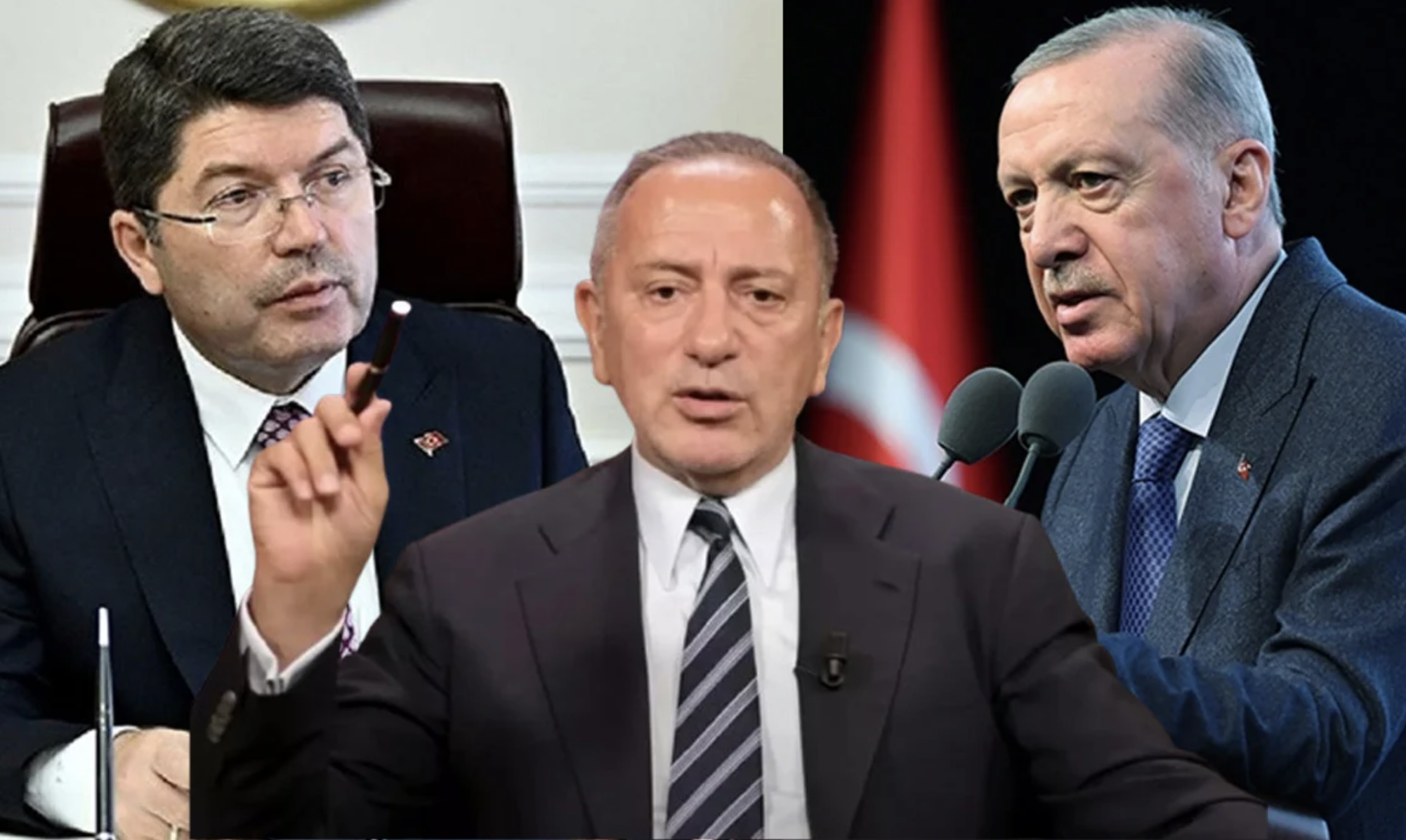
YouTube Show Hosts Face 4.5-Year Prison Demand Over “Hadith Joke” Case
 Boğaç Soydemir Enes Akgündüz
A controversial joke referencing the Prophet Muhammad’s saying “Alcohol is the mother of all evil” has escalated into a full-scale legal case in Turkey. The host of the YouTube program “Soğuk Savaş” (Cold War), Boğaç Soydemir, and guest Enes Akgündüz were detained and later formally arrested following a criminal complaint.
The Istanbul Chief Public Prosecutor’s Office launched the investigation after the video segment circulated online. Both Soydemir and Akgündüz were brought to the Istanbul Courthouse in Çağlayan after police interrogation and were referred to a magistrate court with a request for arrest. On September 23, the court ordered their detention on charges of “publicly inciting hatred and hostility through the press and media.”
Within three days, prosecutors finalized an indictment, demanding up to 4.5 years in prison for each defendant on charges of “inciting or insulting the public to hatred and hostility.”
The Indictment and Charges
According to journalist Dilek Yaman Demir, the indictment accuses the two men of violating Turkey’s penal code under laws protecting public order and religious values. The charge of “inciting hatred or enmity” carries penalties of up to four-and-a-half years in prison when committed through mass communication platforms.
The speed of the indictment and the gravity of the potential sentence have fueled debates about freedom of expression, satire, and the boundaries of humor in Turkey’s digital media landscape.
Public Apologies After Backlash
Following the backlash, both Soydemir and Akgündüz publicly apologized, stressing that they had no intention of insulting religious values.
Soydemir wrote on his social media account:
“I want to apologize to those I hurt with a joke I made recently. I absolutely had no such intention. Normally, I am careful to show sensitivity in the jokes I create myself. However, this time we were going through viewer-submitted jokes, and I read it for the first time on air. At that moment, I thought it was just a simple wordplay, but I should have reflected more before reacting. After my friends warned me, I realized the mistake. You are right. I apologize for this. We removed the related part from the broadcast.”
Guest Enes Akgündüz also distanced himself from the content:
“I did not know the context of the joke and only reacted within the program’s format. I had no bad intentions or negative feelings. As a person who respects society’s religious values, I apologize for being associated with this matter. I hope that in the future, I will be in the news not for such incidents but for my music.”
Sensitivities Around Religion and Media
The case underscores the delicate line between satire and offense in Turkey, where jokes involving religious references often lead to legal action. While Soydemir and Akgündüz stressed that the incident was a misunderstanding, authorities proceeded with prosecution under charges that are among the most serious for content creators in the country.
Observers note that the incident reflects growing scrutiny of online platforms and digital content creators, as YouTube shows have become increasingly popular and influential in shaping public debates.
Broader Context: Legal Pressure on Digital Creators
This is not the first time Turkish YouTubers or comedians have faced legal action for controversial remarks. Cases invoking the charge of “inciting hatred” are relatively common when content touches on religion, ethnicity, or politics.
Supporters of stricter enforcement argue that protecting public morality and religious values is essential to preserving social harmony. Critics, however, warn that such prosecutions risk stifling creativity and curbing freedom of expression.
The debate surrounding Soydemir and Akgündüz is emblematic of this tension — balancing the right to joke and criticize against the state’s interpretation of what constitutes incitement.
What Comes Next
The court will now evaluate the indictment and set a trial date. Both defendants remain in detention pending trial. If convicted, they could face up to four-and-a-half years in prison.
For Soydemir and Akgündüz, their immediate future lies not in entertainment but in courtrooms, as they await legal proceedings that will likely be closely watched by both supporters of free speech and those advocating for stricter respect for religious boundaries.
Their apologies may have softened public anger, but legally, the matter is far from resolved. The case is set to become another touchstone in Turkey’s ongoing debate over the limits of humor, the role of religion in public life, and the boundaries of online speech.
Related articles
Ümit Özdağ Acquitted in Presidential Insult Case
LeMan Magazine Case: Senior Staff Released, Cartoonists Still in Detention
Turkish Lecturer Jailed for Alleged Insult to President While Trying to Attend Theater