Yıldıray Oğur: What Does 77-Year-Old Devlet Bahçeli Really Want?
 bahceli
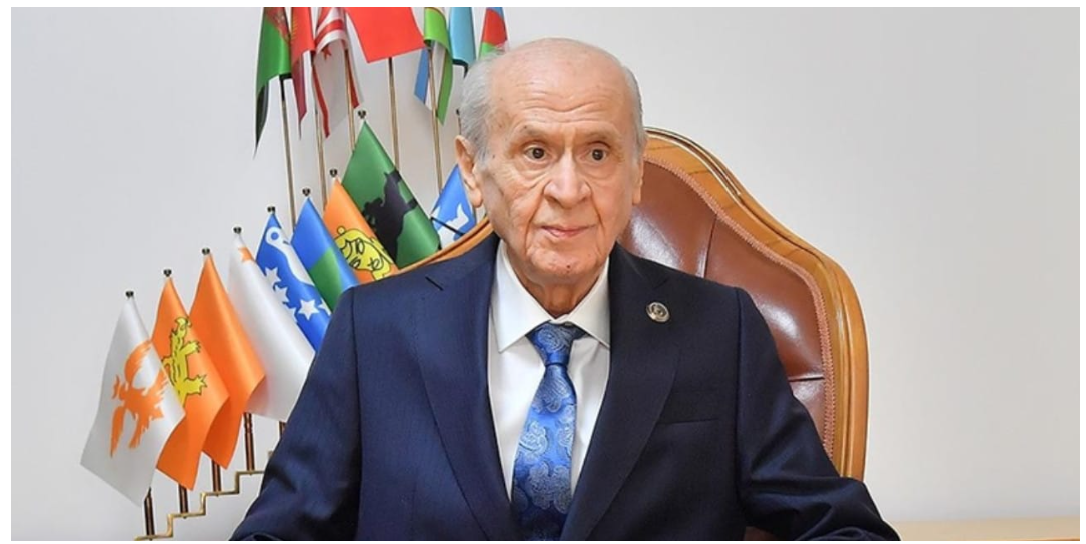
Turkish columnist Yıldıray Oğur argues that Devlet Bahçeli’s unexpected role in launching a new peace initiative with the Kurds—including his outreach to the DEM Party and signs of engagement with Abdullah Öcalan—marks one of the most surprising political shifts in recent Turkish history. Oğur contends that Bahçeli’s actions cannot be explained by personal ambition or political calculation, and may instead reflect a pragmatic, statesmanlike attempt to resolve a 50-year conflict at a historic geopolitical moment.
A Remarkable Shift Few Saw Coming
One year ago, before Devlet Bahçeli had made any reference to Öcalan or a peace framework, Yıldıray Oğur wrote a column titled “Could Bahçeli Be a Local De Klerk?” The reaction was swift and harsh: many dismissed the comparison as unrealistic or overly optimistic, driven by ideological reflexes or entrenched pessimism.
Yet Oğur says his argument was simply an early, unbiased assessment: political actors, including hardliners, can undergo dramatic transformations when timing, pressure and national necessity align—just as F.W. de Klerk did in South Africa’s final days of apartheid.
De Klerk came from a deeply conservative, even racist political lineage. Few could have imagined he would one day shake hands with Nelson Mandela and end apartheid. But the logic of the moment forced a historic pivot.
Oğur suggests that Bahçeli’s recent steps—his outreach to DEM, his unexpected “Turkey party” messaging, and President Erdoğan’s even bolder remarks—signal a similarly pragmatic turning point.
A Political Break That Reshaped the Atmosphere
According to Oğur, these developments are not random. Behind the scenes, Ankara appears to be engaged in new talks with Abdullah Öcalan on İmralı. The goal is not to solve every Kurdish political issue at once but to achieve one decisive outcome: a formal declaration by the PKK that its armed struggle in Turkey has ended.
In Oğur’s view, the strongest guarantee of this process is that it began with Devlet Bahçeli himself—a figure whose nationalist credentials are unquestioned. Backers of the initiative were not disappointed; over the past year, Bahçeli has consistently escalated his rhetoric in favor of peace, defying expectations that he was merely posturing for political gain.
Critics who claimed he was acting to secure Erdoğan’s reelection, manipulate Kurdish votes, or follow orders from outside actors were repeatedly proven wrong. Each time they misread the moment, they accused Bahçeli of irrationality, overreach, or even senility—yet, as Oğur argues, none could offer a coherent explanation for why he would expose himself so heavily if not for sincere conviction.
What Could Motivate a 77-Year-Old Leader?
Oğur poses the central question: What personal or political reward could motivate a 77-year-old politician—who has already secured every possible position and faces no personal risk—to take on such a controversial effort?
He has no electoral incentive. No grassroots push. No external pressure.
The only plausible explanation, Oğur argues, is that Bahçeli genuinely believes in the urgency and national benefit of ending the conflict—even if it runs counter to his own political interests or decades-long public persona.
If so, Turkey may be witnessing a historic moment:
A leader choosing national interest over political calculation.
A Critical Moment in a Shifting Middle East
Oğur situates Bahçeli’s pivot within a dramatically changing regional environment:
-
The Assad regime weakened;
-
Hezbollah under pressure;
-
Iran internally strained;
-
Israel in its most isolated and aggressive period;
-
A new state emerging in Syria;
-
U.S. diplomacy attempting to reshape regional alignments;
-
Gaza under international supervision;
-
Iraq and Iran facing fragmentation risks.
In such a volatile environment, Oğur argues, Turkey cannot simply wait for fate. Ending its internal 50-year conflict with an armed organization next door becomes a strategic necessity—one that reduces security risks and strengthens Turkey’s hand in a transforming region.
Öcalan’s Influence and a Narrow Window of Opportunity
For years, Öcalan has reportedly emphasized the need for the PKK to lay down its arms and integrate into Turkey’s political framework. Now at 76, he remains the only figure capable of issuing a definitive call to end the armed struggle.
If Bahçeli recognizes both the urgency and the opportunity, Oğur says, his initiative may be one of the most consequential steps of his career.
“Our Own De Klerk”
With the developments of the past year, Oğur concludes that Bahçeli has indeed confirmed the thesis of his earlier column:
he has become Turkey’s “De Klerk.”
Unexpected. Unlikely. Difficult to believe.
But happening before the country’s eyes.
The responsibility now, Oğur argues, lies with those watching: to support rather than sabotage this fragile chance for peace.
PA Turkey intends to inform Turkey watchers with diverse views and opinions. Articles in our website may not necessarily represent the view of our editorial board or count as endorsement.
Follow our English language YouTube videos @ REAL TURKEY and content at Twitter: @AtillaEng.
Facebook: Real Turkey Channel.