



WMO Warns Global Cycle Is Spinning Between “Floods and Droughts”
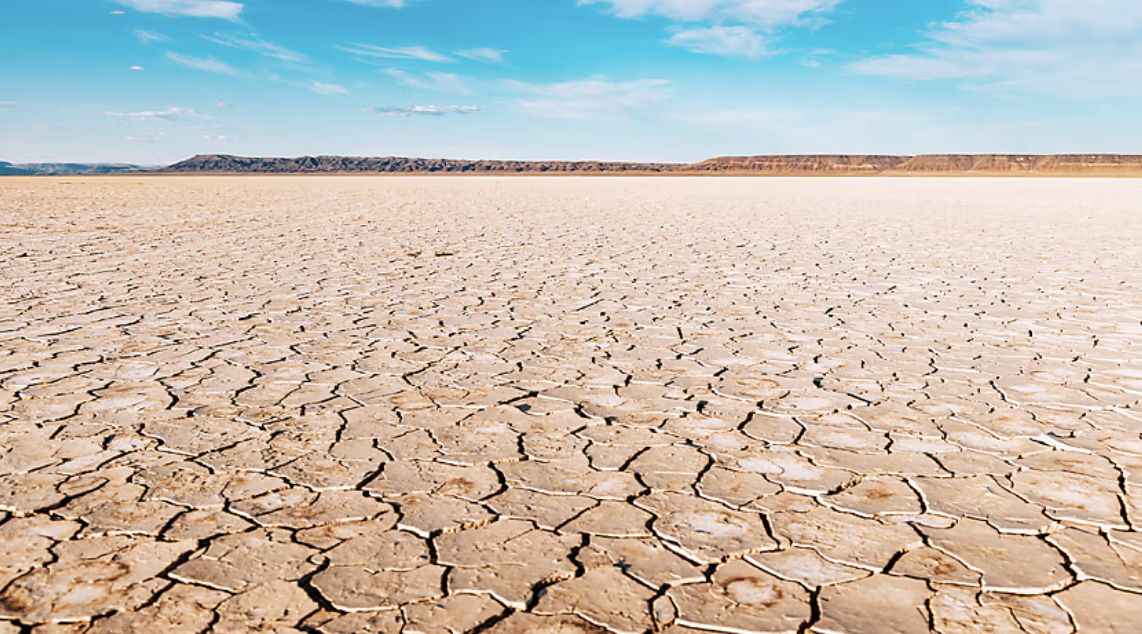 Drought in Turkey
The World Meteorological Organization (WMO) has issued a stark warning in its new report “State of Global Water Resources”, declaring that the world’s water cycle is becoming increasingly irregular and extreme, swinging between devastating floods and crippling droughts.
Only One-Third of River Basins “Normal”
According to the 2024 data, just one-third of global river basins experienced conditions classified as “normal.” The remainder faced either above-normal flooding or below-normal drought conditions.
This marks the sixth consecutive year of significant imbalance, highlighting the accelerating destabilization of water systems.
Melting Glaciers Hit “Peak Water”
The report notes 2024 was the third straight year of widespread glacier loss across all regions. Many small glacier systems have now reached or are nearing “peak water” — the point at which annual meltwater flows hit their maximum before permanently declining as glaciers shrink.
This shift threatens long-term water supplies for millions who depend on glaciers for drinking water, irrigation, and hydroelectric power.
Regional Extremes
-
Amazon Basin & Southern Africa: Struck by severe drought.
-
Other parts of South America: Faced record dry conditions.
-
Central, West & East Africa, parts of Asia, and Central Europe: Experienced above-average rainfall and flooding.
The extremes illustrate how the global water cycle is becoming increasingly chaotic, with no single region spared from its impacts.
WMO Chief: “Water Resources Under Growing Pressure”
WMO Secretary-General Celeste Saulo emphasized the rising danger:
“The world’s water resources are under increasing pressure. At the same time, water-related hazards are having a growing impact on lives and livelihoods.”
She stressed that reliable, science-based data is now more vital than ever:
“Without data, we risk flying blind. Continuous investment in data sharing and international cooperation is essential to close monitoring gaps.”
Why It Matters
The findings underscore the mounting risks of:
-
Food insecurity, as agriculture suffers from both droughts and floods.
-
Economic disruption, with water-intensive industries facing higher costs.
-
Human displacement, as extreme water events uproot communities.
The WMO report serves as a critical reminder that water — once considered a stable resource — is now at the center of the climate crisis.