



Wildfires Devastate 90,000 Hectares in Turkey in Just One Month — The Highest in the Mediterranean
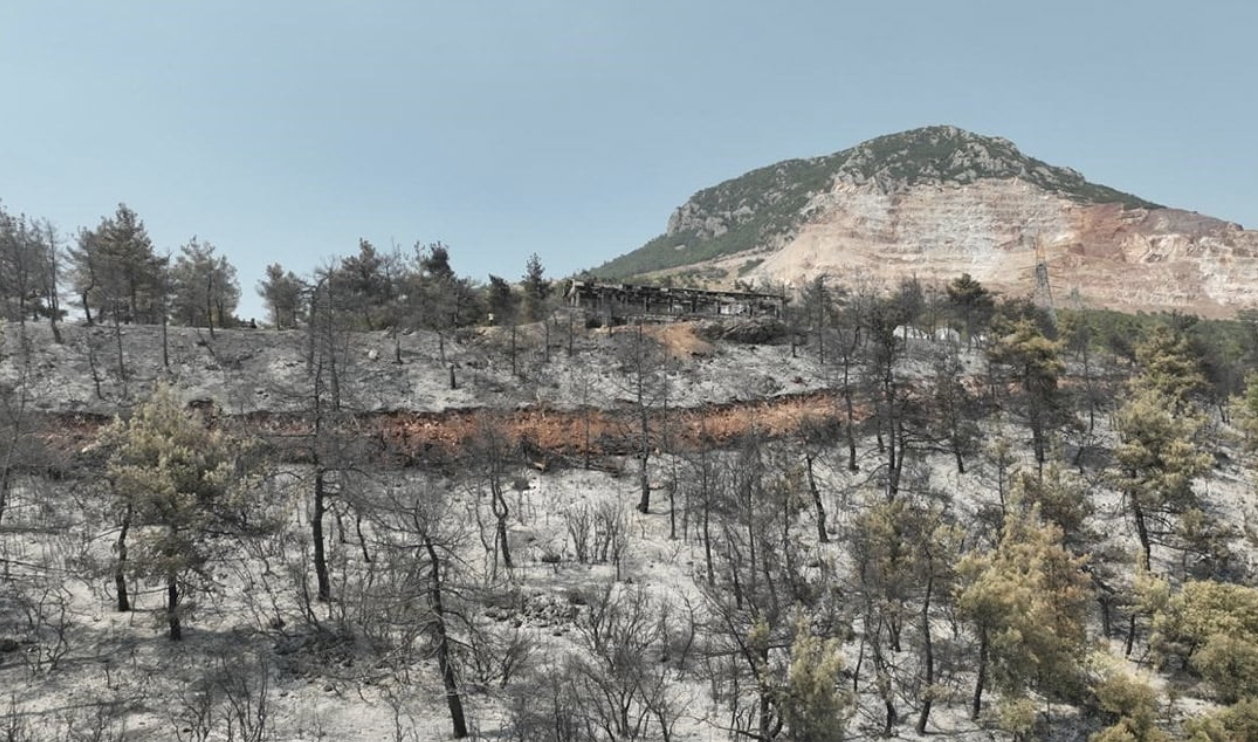 Bursa fire
Turkey has suffered the worst forest fire losses among Mediterranean nations over the past month, according to a new report by the Institute for Social Studies (ISS). Between June 27 and July 28, 2025, nearly 90,000 hectares of forestland were destroyed — an area equivalent to 12,752 football fields or 21 times the size of Istanbul’s Esenyurt district.
Mediterranean’s Worst Wildfire Losses
The ISS analysis highlights that Turkey ranked first in forest area lost to wildfires among Mediterranean countries during this period. Despite the scale of destruction, the report also emphasized that Turkey allocates one of the lowest budget shares to wildfire response relative to GDP across Europe.
Aircraft Shortage Sparks Debate
One of the key concerns raised by the report is the limited number of firefighting aircraft in Turkey. While Spain, another fire-prone Mediterranean country, operates 40 aerial firefighting planes, Turkey has only 27.
“No Need for Night Vision Helicopters,” Says Minister
Agriculture and Forestry Minister İbrahim Yumaklı recently downplayed the necessity for night-vision helicopters, drawing criticism from experts and environmental groups. Many argue that lack of 24-hour aerial response capability leaves vast areas vulnerable during nighttime flare-ups.
Experts Call for Urgent and Comprehensive Action
Environmental organizations and fire safety experts warn that Turkey’s current wildfire response capacity is falling short of what’s required to manage increasingly intense and widespread fires. They are urging the government to:
-
Expand the fleet of firefighting aircraft and helicopters
-
Increase funding for wildfire preparedness and response
-
Invest in advanced technology and satellite monitoring systems
-
Establish rapid deployment protocols for rural and high-risk areas
Turkey’s Escalating Climate Risk
The growing severity of wildfires in Turkey mirrors a global trend driven by climate change, prolonged droughts, and extreme heat waves. Experts warn that without stronger policies and investment, these disasters may escalate in frequency and scale.