Warning Lights Flash in Turkish Industry: Factory Closures, Pay Crises, and Bankruptcies
 bankruptcy
Turkey’s real sector is sending stronger distress signals as factory shutdowns, delayed wages, and a growing wave of bankruptcy protection filings expose the deepening strain on industrial production. The latest developments — from Colin’s shutting down its Aksaray plant to Şık Makas halting production and 11 new companies filing for concordato (bankruptcy protection) — paint an increasingly fragile picture of the Turkish economy’s production base.
Economist İris Cibre summarized the unfolding crisis starkly:
“You dismantled the sector without replacing it — now the consequences are severe.”
Her remarks echo a sentiment widely shared across the business community: that the erosion of manufacturing capacity and the shift of investment abroad are weakening Turkey’s long-term industrial resilience.
Şık Makas Suspends Operations After 66 Days of Unpaid Wages
One of Turkey’s oldest textile producers, Şık Makas, ranked on the ISO 500 industrial list, has suspended operations at its Tokat factory after workers launched a strike over unpaid wages. According to Piyasa Gündem, employees had gone 66 days without salaries before walking out in protest, forcing management to halt production entirely.
Financial markets analyst İris Cibre described the event as a “domino effect” now spreading even into Turkey’s top 500 industrial firms. Her warning highlights growing fears that the liquidity squeeze in the private sector is expanding from small enterprises to large, established manufacturers.
Colin’s Relocates Production to Egypt
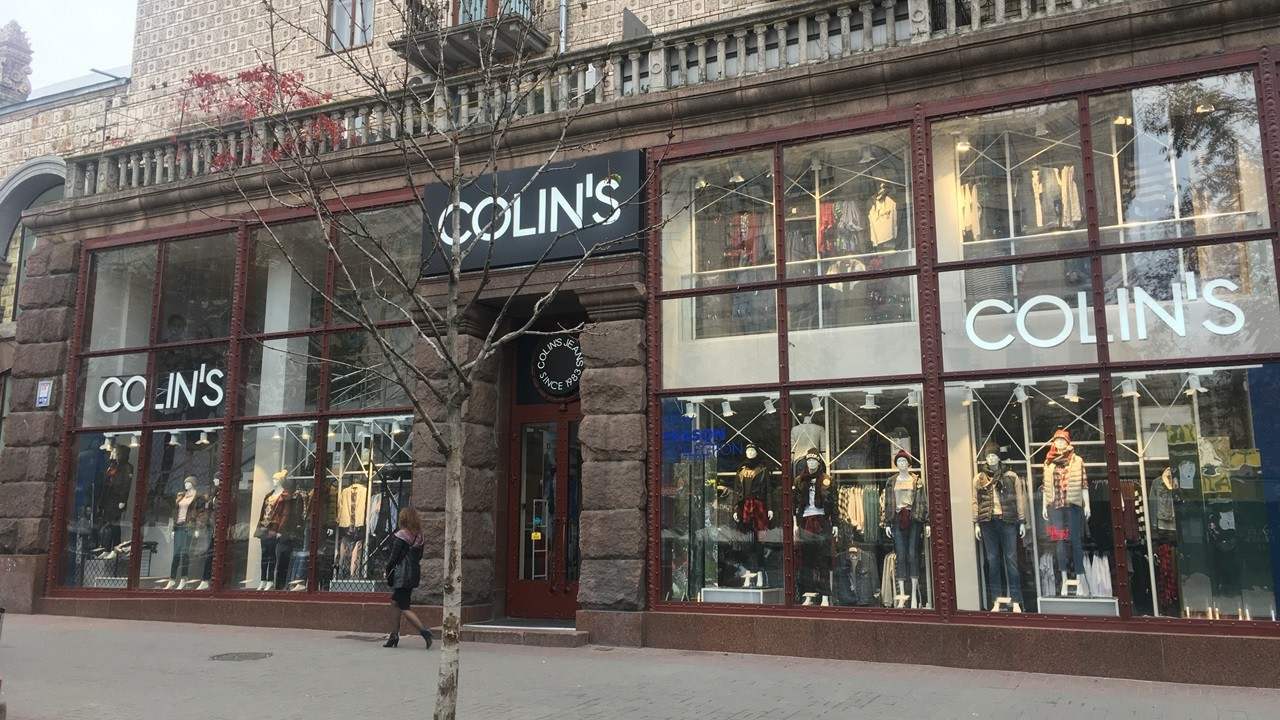
Meanwhile, Colin’s, a flagship brand of Eroğlu Holding, has officially moved its production line to Egypt, shutting down its Aksaray factory employing 1,500 workers. The facility has been locked, though machinery and equipment remain in place — a precautionary measure should the company decide to restart operations in Turkey.
Industry observers see this as part of a larger exodus of textile and apparel investments to countries like Egypt, where lower energy and labor costs make production more competitive. “The shift is a red flag,” said one sector insider, “because it reflects not just rising costs but declining confidence in Turkey’s industrial environment.”
Bankruptcy Wave Accelerates Across Sectors
The recent surge in concordato (bankruptcy protection) filings adds another layer to the crisis. In the past two days alone, 11 companies across multiple provinces — from cement to metal, energy, and tourism — have sought legal shelter from creditors.
Notable names include:
-
Alsancak Çimento (İzmir)
-
Mapsis Havacılık (Kocaeli)
-
Didvani Mobilya (Bursa)
-
Win Metal Endüstri (Kocaeli)
-
ADZ Enerji İnşaat (Diyarbakır)
-
Emsan Elektrik (Bursa)
-
Bilemsan Elektrik (Bursa)
-
SMK Life Turizm (Antalya)
These filings reflect a chain reaction of financial distress, where high borrowing costs, weak domestic demand, and volatile exchange rates are pushing even medium-sized industrial players to the brink.
Investment Shift Deepens the Strain
The relocation of manufacturing investments abroad — particularly in textiles, machinery, and chemicals — is intensifying the pressure on local supply chains. Economists warn that this trend will erode export capacity, increase unemployment, and reduce the industrial base that underpins Turkey’s economic stability.
“Once production migrates, bringing it back becomes extremely difficult,” noted one analyst. “Turkey’s competitiveness is not just about the exchange rate; it’s about sustaining confidence in production itself.”
A Perfect Storm for the Real Sector
With high interest rates limiting credit, inflation eroding margins, and external demand slowing, Turkey’s manufacturers face what many describe as a perfect storm. The combination of financial strain and shifting investment priorities suggests a deeper structural challenge for the country’s industrial backbone.
Unless decisive policy support and targeted relief measures are introduced, experts warn the “domino effect” could spread to more key sectors — from textiles and automotive supply chains to construction and energy.
As one industrialist put it grimly:
“The warning lights are no longer blinking — they’re burning red.”