Van Lake Retreats as Drought Deepens: Scientists Warn of Irreversible Change
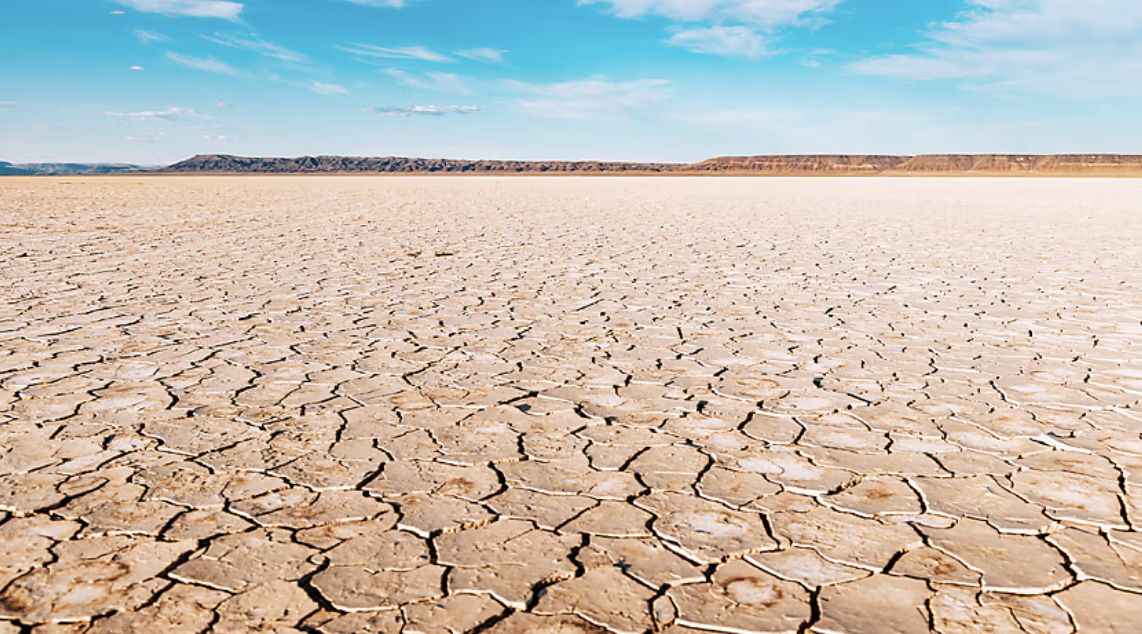 Drought in Turkey
Van Lake, one of Turkey’s largest and most iconic natural landmarks, is facing a critical turning point as climate change and declining rainfall continue to shrink its surface. Once a symbol of natural resilience in Eastern Anatolia, the lake is now showing visible signs of distress. According to Prof. Dr. Faruk Alaeddinoğlu from Van Yüzüncü Yıl University’s Faculty of Literature, the water loss in the Van Lake Basin has reached alarming levels, threatening not only the lake’s ecosystem but also the livelihoods of nearby communities.
“Drought Periods Have Tripled, and the Maps Are Changing”
Speaking to İhlas News Agency (İHA), Prof. Alaeddinoğlu emphasized that 2025 has been one of the driest years in decades, with rainfall far below seasonal norms. “In the past, dry periods used to last around a month,” he explained, “but now they extend up to three months.” This prolonged aridity, he warned, is making the lake’s retreat more visible and measurable than ever before.
Satellite imagery and field observations confirm that the shoreline on the lake’s eastern edge has receded by nearly 2 to 3 kilometers—particularly in shallow delta areas where rivers used to flow into the lake. “We are observing small-scale but permanent changes,” Alaeddinoğlu said. “The shape of Van Lake is visibly changing, especially along its eastern shores.”
This transformation, he added, is not merely seasonal but structural, altering the geographical and hydrological balance of the region. The once-stable boundaries of Turkey’s largest soda lake are shifting—a stark reminder of how rapidly climate patterns are transforming local ecosystems.
“Cyclones No Longer Bring Rain — The Crisis Could Turn Socioeconomic”
Prof. Alaeddinoğlu noted that the rainfall regime across the Van Basin has broken down. In previous years, mobile cyclones—weather systems that periodically brought moisture to the area—played a key role in replenishing the lake. However, these systems are now failing to reach the basin, depriving the region of its traditional rainfall cycles.
“The traveling cyclones that used to bring regular precipitation no longer influence the basin,” he said. “This is a serious threat to the lake’s ecosystem.” Without consistent rainfall and with ongoing mismanagement of water resources, the professor warned that Van Lake could soon face irreversible ecological degradation.
But the environmental risks are only part of the picture. Alaeddinoğlu also underlined the potential socioeconomic fallout: shrinking water resources could destabilize agriculture, tourism, and local economies that depend on the lake’s vitality. “If no urgent measures are taken,” he cautioned, “the crisis could evolve beyond ecology—it could become a social and economic emergency.”
A Race Against Time for Turkey’s Largest Lake
Experts believe that Van Lake’s shrinking surface reflects a broader national water crisis. Turkey’s inland lakes—such as Tuz Gölü and Akşehir—have also suffered severe retreat in recent years due to a combination of rising temperatures, excessive water extraction, and erratic rainfall.
Van Lake, however, holds particular importance. It is not only a key hydrological reservoir but also a cultural and economic anchor for the surrounding provinces. Local fishing, transportation, and tourism rely heavily on the lake’s stability, while its unique alkaline ecosystem supports rare microbial life that attracts scientific interest worldwide.
If current trends persist, scientists warn that Van Lake could face a critical threshold within the next decade, where water loss becomes self-reinforcing—accelerating evaporation and salinity changes that permanently alter its chemistry.
The Call for Urgent Action
Prof. Alaeddinoğlu’s message is clear: immediate, coordinated intervention is needed to prevent irreversible damage. Measures such as sustainable water use, improved irrigation systems, and regional drought management strategies could mitigate further decline.
“The lake’s fate depends on how fast we act,” he concluded. “If we continue as we are, Van Lake will not just shrink—it will transform into a different ecosystem entirely. And when that happens, it will be too late to reverse.”
Van Lake’s silent retreat is not only a warning for Eastern Anatolia but also a symbol of how climate change is redrawing the natural maps of Turkey. Each kilometer of lost shoreline represents not just an environmental loss, but a call for national awareness and decisive action before the country’s largest lake becomes a memory of what once was.