US Envoy Signals New Window for Türkiye–F-35 Reconciliation
 F35
F35
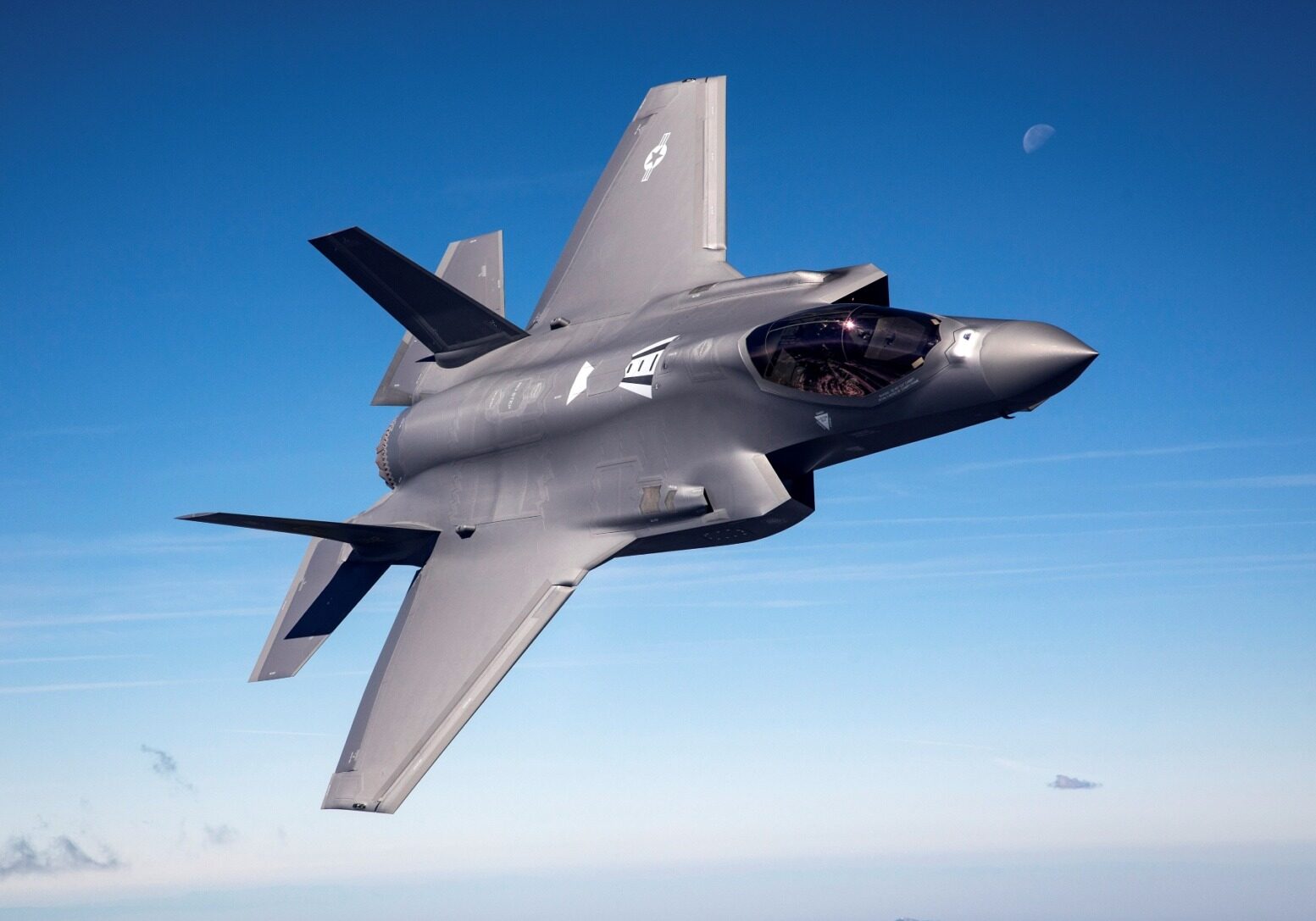
A fresh statement from U.S. Ambassador to Ankara Tom Barrack has re-energized discussions surrounding Türkiye’s potential reentry into the F-35 fighter jet program, a long-standing point of friction between Ankara and Washington. In a message delivered on the social media platform X, Barrack laid out the legal and political contours of the ongoing talks, underscoring the exact requirement embedded in U.S. law.
According to Barrack, the United States’ position remains unequivocal: “ABD yasalarına göre, Türkiye’nin F-35 programına geri dönmesi için S-400 sistemlerini kullanmaması ve bulundurmaması gerekiyor.” The unchanged quote reaffirms a condition Washington has maintained since Türkiye’s acquisition of the Russian-made S-400 defense system, a move U.S. lawmakers argued was incompatible with the security architecture of the F-35 fleet.
The ambassador’s clarity signals both constraint and opportunity. While the conditions are strict, the fact that high-level conversations continue suggests that political space still exists for a negotiated outcome.
Negotiations Continue Despite Longstanding Obstacles
Barrack emphasized that talks between Türkiye and the United States are ongoing, even as the S-400 issue looms large. His remarks hinted at genuine diplomatic momentum, with channels remaining open and technical delegations engaged in regular dialogue. This contrasts with earlier years, when discussions were largely frozen and tensions visibly heightened.
By acknowledging the persistence of negotiations, Barrack painted a picture of two NATO allies working to navigate one of the most complex defense disagreements of the past decade. The implication is that both sides see strategic value in restoring a degree of alignment, particularly as regional security dynamics continue to evolve.
Leadership Dynamics Are Creating a More Conducive Atmosphere
One of the most striking elements of Barrack’s message was his reference to the relationship between the two countries’ leaders. He stated: “Başkan Donald Trump ve Cumhurbaşkanı Recep Tayyip Erdoğan arasındaki olumlu ilişkiler, yeni bir işbirliği ortamı oluşturmuş, bu da son 10 yılda bu konuda yaptığımız en verimli görüşmelere imkan sağlamıştır.”
This comment highlights the role of personal diplomacy in shaping the broader negotiations. Historically, shifts in leader-to-leader relations have often played an outsized role in U.S.–Türkiye defense coordination. Barrack’s framing suggests that the current phase is comparatively constructive, potentially marking a departure from the entrenched positions that characterized previous years.
The articulation of “the most productive discussions in the last decade” introduces a narrative of renewed possibility, hinting that the diplomatic climate is more favorable than at any point since Türkiye was removed from the F-35 consortium in 2019.
A Possible Breakthrough on the Horizon
Looking forward, Barrack expressed measured optimism about the trajectory of the ongoing talks. He noted that the discussions could soon yield results that address both nations’ strategic needs. “Umudumuz, bu görüşmelerin önümüzdeki aylarda hem ABD’nin hem de Türkiye’nin güvenlik gereksinimlerini karşılayan bir dönüm noktası oluşturmasıdır,” he said.
This signals a potential roadmap toward compromise—one in which both countries’ defense considerations are balanced in a mutually acceptable framework. Whether this translates into Türkiye offloading, reconfiguring, or politically reframing the S-400 systems remains unknown, but the ambassador’s tone suggests that multiple options are on the table.
A breakthrough would not only impact bilateral ties but could also reshape NATO’s internal coherence, defense planning, and airpower interoperability.
Strategic Stakes for Both Nations
For the United States, resolving the S-400–F-35 impasse would help stabilize relations with a key regional ally at a time of heightened geopolitical challenges. For Türkiye, regaining access to the F-35 program—or securing an alternative agreement—could influence its long-term air defense capabilities and defense industry roadmap.
The current diplomatic window appears more open than in previous phases, driven by leadership engagement, evolving strategic pressures, and strong political incentives on both sides to avoid further divergence.
Related articles
FIRST TAKE: Trump Pushes Turkey to Halt Russian Oil Imports, Signals Possible End to F-35 Sanctions
OPINION: Trump’s Praise for Erdoğan: What Lies Behind the Flattery?
Trump: “We’re Talking About Rebuilding Gaza, Not Two States”