



UN Report Warns of Major Drought Risk for Turkey by 2030
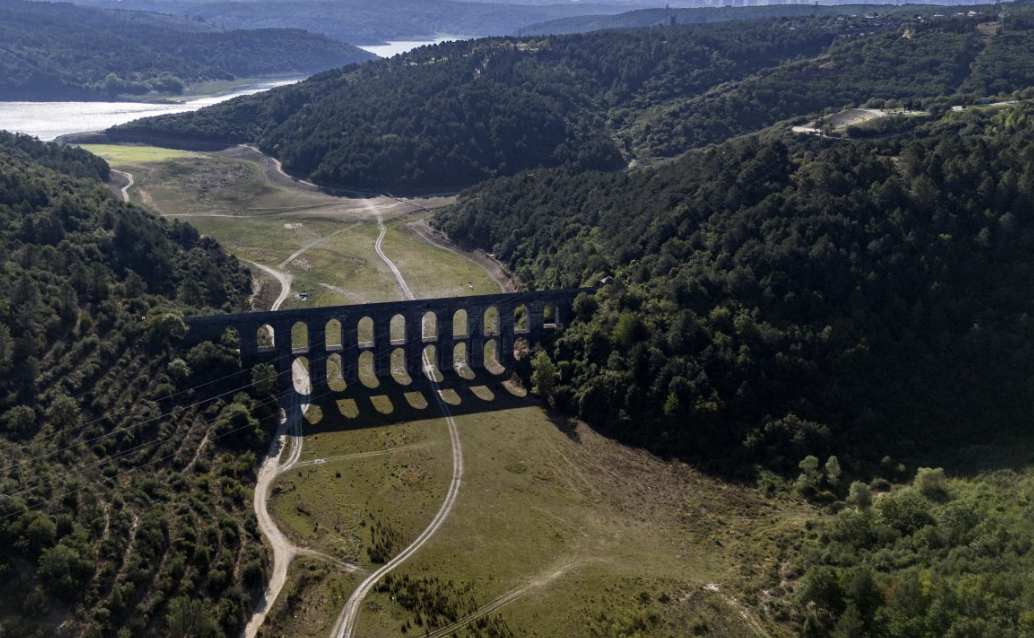 Istanbul Drought
A newly released United Nations-backed climate report has sounded the alarm over intensifying drought conditions worldwide, warning that Turkey could face a severe drought by 2030 if urgent climate adaptation measures are not taken. The report highlights the Mediterranean Basin, including Turkey, as one of the global epicenters of climate change due to rising temperatures and declining precipitation.
Mediterranean Faces Rising Climate Pressure
Although drought is a natural feature of Mediterranean climates, the report notes that both frequency and intensity have accelerated significantly since the 1950s. Projections indicate that average regional temperatures may rise by 2–3°C by 2050 and up to 5°C by 2100.
Every 2°C increase in temperature could reduce access to water by as much as 15%, worsening conditions for agriculture, ecosystems, and urban populations.
Turkey Among the Most At-Risk Nations
Turkey is listed among the countries most vulnerable to drought and desertification, with the report warning of a growing resemblance to arid, desert-like climates. The report includes a detailed section on Turkey alongside Spain and Morocco, emphasizing shared risks within the Mediterranean climate zone.
“Turkey is semi-arid and highly prone to land degradation. Around 88% of the country is at risk of desertification,” the report notes.
By the end of the century, Turkey is projected to see up to 30% less rainfall, with average temperatures in the western and southern regions rising by 4–5°C.
Water Crisis by 2030
Turkey, already flagged by the OECD in 2019 as a country facing water stress, may officially fall into the “water-scarce” category by 2030, the report warns. That would place 80% of the population and agricultural lands under significant drought risk within just five years.
The impact has already begun: following extremely dry seasons in 2022, Turkey experienced a major drought in 2023, with agricultural losses still ongoing.
Compounding the problem is Turkey’s water usage model—with 75% of water resources consumed by agriculture, the report urges immediate investment in water efficiency, irrigation technology, and alternative water sources.
January 2025: Driest in 24 Years
The crisis is unfolding in real time. January 2025 was the driest January in 24 years, with Southeastern Anatolia receiving only 6% of its average rainfall and other regions falling below 30%. Experts warn that these conditions could become the new normal without substantial environmental action.
Urgent Call for National Investment
The report urges Turkey to prioritize long-term water planning, including:
-
Sustainable agriculture reforms
-
Desalination and alternative water sourcing
-
Investments in drought-resilient infrastructure
-
Public awareness and regional cooperation
Without intervention, Turkey could face a future marked by chronic water scarcity, food insecurity, and climate migration.