UN Declares First-Ever Famine in Gaza as 500,000 Face Starvation
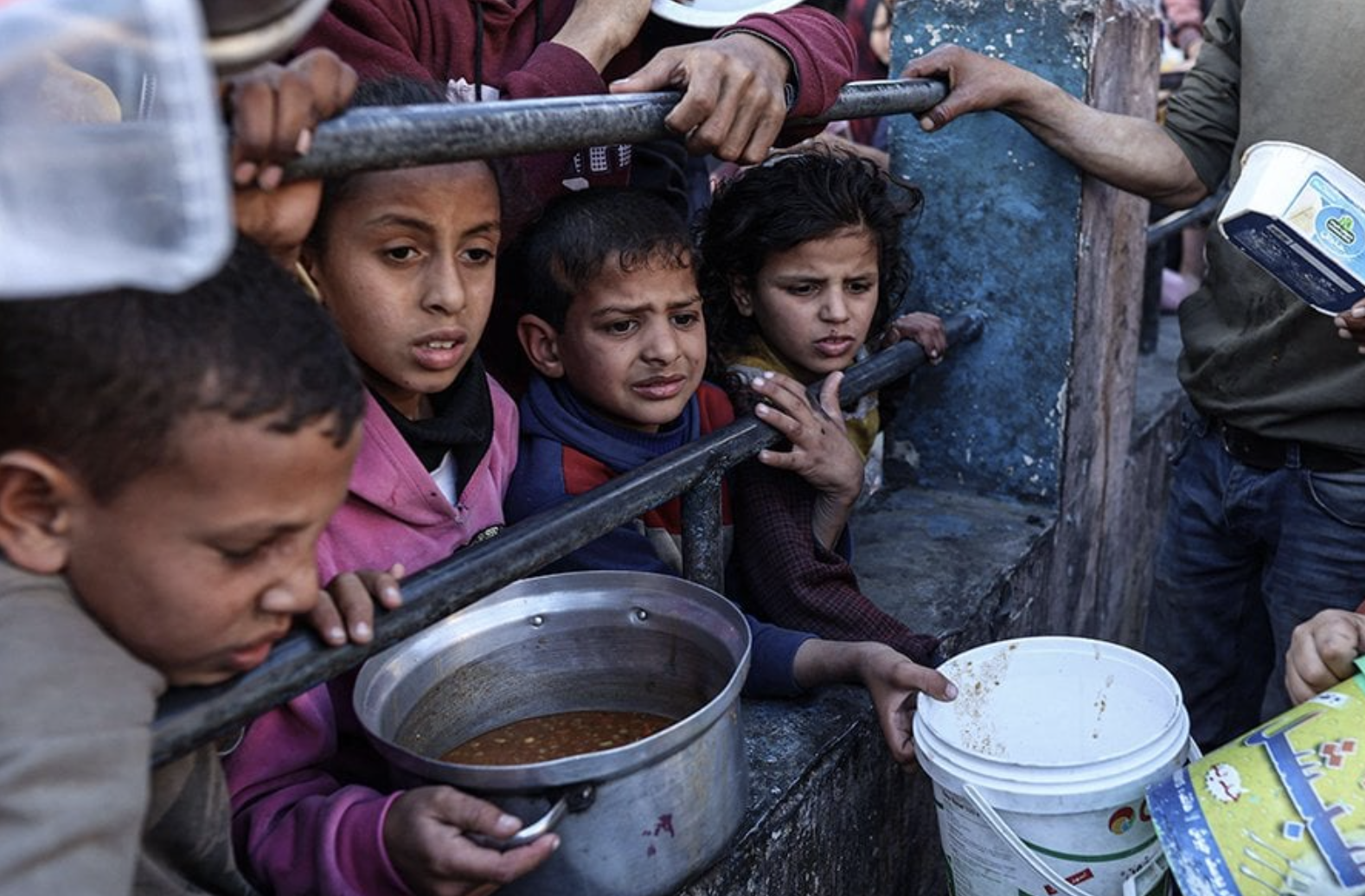 Gaza Humanitarian Crisis
For the first time, United Nations-backed experts have officially declared a famine in Gaza, warning that the humanitarian crisis has reached a breaking point. According to the latest findings, more than 500,000 Palestinians are now experiencing what experts describe as “catastrophic levels of hunger.”
The declaration underscores the severity of the situation and marks a critical turning point in a conflict-driven humanitarian disaster that has been escalating for months.
The Human Toll: Widespread Starvation Threatens Gaza
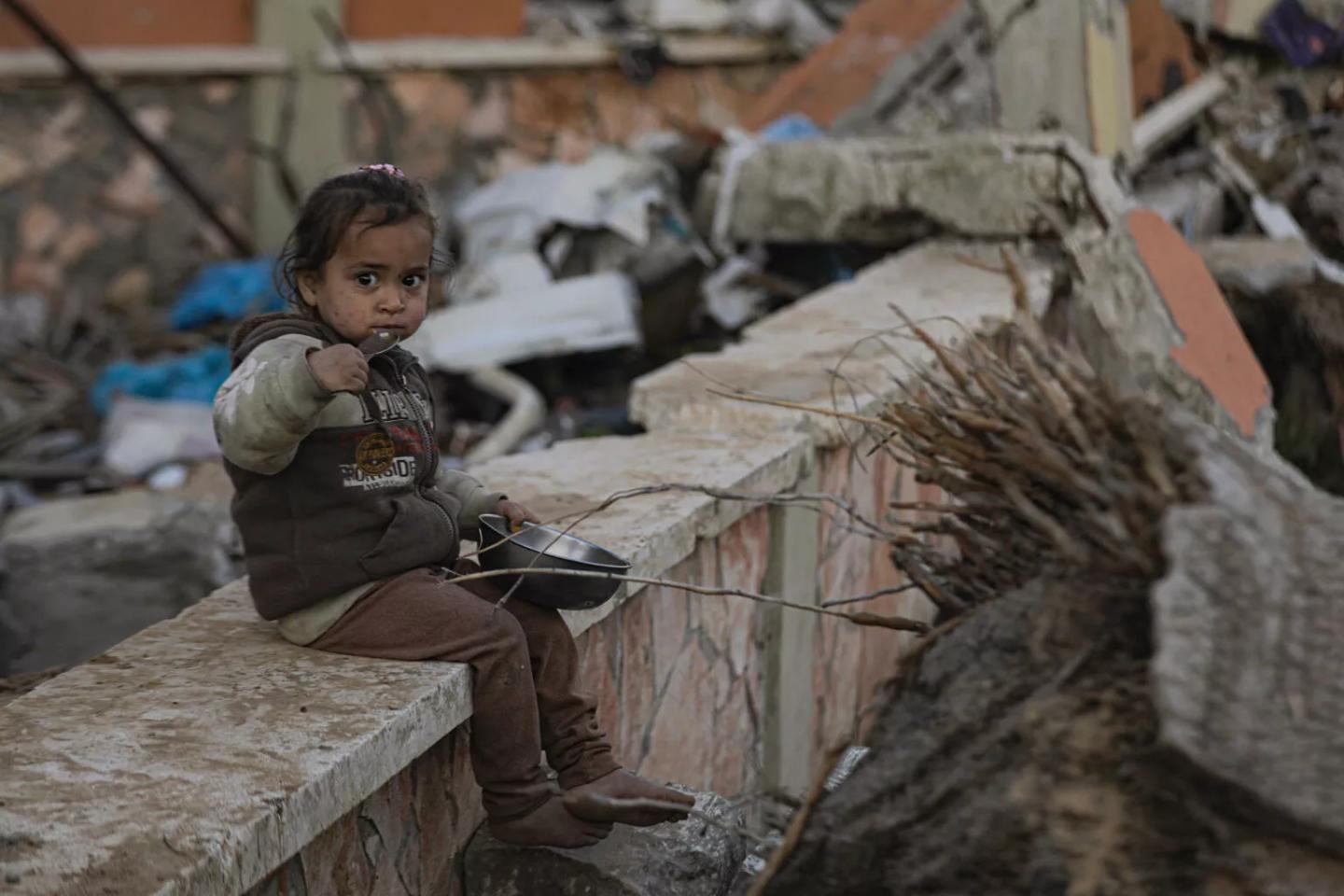
Humanitarian organizations report that food insecurity in Gaza has deteriorated rapidly, with families struggling to secure even the most basic meals. Children are particularly vulnerable, with aid groups warning that supplies of fortified milk and therapeutic paste—essential for treating malnutrition—are running dangerously low.
The UN experts stressed that famine is not just a matter of food shortages but a systemic collapse of access to nutrition, aggravated by conflict, blockades, and destroyed infrastructure.
UN Officials: “This Famine Was Preventable”
Speaking in Geneva, UN humanitarian coordinator Tom Fletcher emphasized that the famine could have been avoided. He directly accused Israel of systematically obstructing aid deliveries to Gaza.
“This famine was preventable. Food is piled up at the borders, but Israel’s systematic restrictions are preventing life-saving supplies from reaching people in need,” Fletcher said.
He called on Israeli Prime Minister Benjamin Netanyahu to immediately allow large-scale humanitarian aid into Gaza, warning that without urgent intervention, the situation will continue to worsen at a rapid pace.
Israel Rejects the Famine Designation
Israeli officials, who have long disputed casualty and humanitarian data provided by Gaza’s Health Ministry, dismissed the UN declaration. The Israeli Ministry of Foreign Affairs issued a statement insisting that “there is no famine in Gaza.”
Israeli authorities have repeatedly claimed that such reports are part of a “propaganda narrative” designed to damage the country’s international image. However, the UN’s declaration—based on independent food security assessments—marks the first time famine has been formally recognized in the region.
A Crisis Months in the Making
The crisis in Gaza has been intensifying since the outbreak of the latest conflict. The combination of military operations, displacement, damaged infrastructure, and restricted humanitarian access has steadily eroded living conditions.
With food supplies blocked or delayed at border crossings, residents have become reliant on limited aid distributions that cannot meet the population’s needs. Reports from inside Gaza describe families skipping meals, children fainting from hunger, and households forced to survive on bread alone.
Global Outcry and Humanitarian Alarm
International aid organizations, including the World Food Programme and UNICEF, have sounded alarms for months, warning that famine conditions were looming. The UN’s formal declaration now gives their warnings greater urgency, placing added pressure on world leaders to respond.
Humanitarian groups are calling for:
-
Immediate and unhindered entry of food and medical aid into Gaza.
-
Guarantees of safe corridors for aid workers.
-
International pressure on all parties to facilitate rather than obstruct relief efforts.
The situation is particularly dire for children under five, who are most at risk of irreversible damage from malnutrition. Aid officials warn that without immediate action, child mortality could rise sharply in the coming weeks.
Political Tensions Around Aid Access
The famine declaration also deepens the political controversy over aid access. Israel argues that Hamas diverts supplies, while humanitarian agencies contend that Israeli restrictions at crossing points are the primary bottleneck.
The standoff has left thousands of tons of humanitarian supplies stranded at Gaza’s borders. The UN stresses that regardless of political disputes, civilian populations must not be starved as a consequence of conflict.
What Happens Next?
Declaring a famine is a rare and grave step by the UN, and it usually prompts emergency mobilization at the international level. However, the path forward remains uncertain, as political disagreements continue to stall aid deliveries.
For Gaza’s population, already exhausted by war and displacement, the announcement formalizes a grim reality: hunger has become not just widespread but life-threatening.
A Preventable Tragedy
The UN’s declaration of famine in Gaza highlights both the scale of human suffering and the failure of international mechanisms to prevent the crisis. With over half a million people facing starvation, the situation represents one of the most urgent humanitarian emergencies of the twenty first century.
Whether the world responds with decisive action—or allows political disputes to overshadow human survival—will determine the fate of hundreds of thousands in the weeks ahead.
Related articles
German Activists Urge Government to End Support for Israel Amid Gaza Genocide Claims
Deadly Attack on Gaza’s Al-Nasser Hospital Kills Journalists and Civilians
Over 20,000 Children Killed as Gaza’s Death Toll Hits 67,000