U.S.–Türkiye Strategic Alignment Gains Importance in the South Caucasus
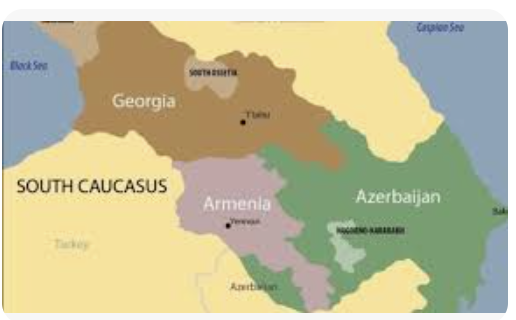 south caucasus
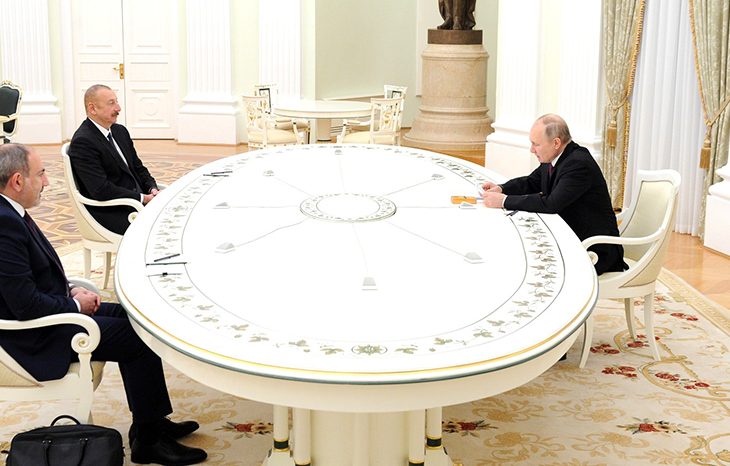
Shifts in regional partnerships and Washington’s renewed strategic realism are elevating U.S.–Türkiye coordination as a stabilising force in the South Caucasus, analysts say.
Regional Powers Recalibrate Amid Shifting Geopolitics
The South Caucasus is undergoing a notable strategic reset as both Azerbaijan and Armenia pursue deeper partnerships with major global actors, including the United States and China.
Azerbaijan has already formed a comprehensive strategic partnership with China. Armenia, for its part, has upgraded its relationship with Beijing to a strategic partnership, though not yet a comprehensive one.
On 8 August, Baku signed a memorandum of understanding creating a strategic working group with China, signalling intensified diplomatic engagement and growing geopolitical diversification.
Analyst: U.S.–Türkiye Convergence Matters for Regional Stability
Speaking to AnewZ, Professor Ferit Murat Özkaleli of ADA University said the evolving relationship between Ankara and Washington is becoming increasingly consequential for the South Caucasus.
According to Özkaleli, the two countries’ core national interests remain broadly aligned, particularly regarding Azerbaijan’s strategic priorities. Infrastructure and connectivity projects linked to Nakhchivan demonstrate how Türkiye supports U.S.-backed regional engagement.
“Türkiye’s role in these corridors underscores its function as a facilitator for initiatives where U.S. and Azerbaijani interests converge,” he noted.
Historical Context: From Ideological Tensions to Strategic Realism
Türkiye’s strategic relevance to the United States has deep roots. After World War II, Washington viewed Ankara as a critical pillar of Western security architecture.
However, Özkaleli argues that in later decades, ideological frameworks — such as Samuel Huntington’s Clash of Civilisations thesis — sometimes overshadowed hard strategic logic in U.S. policymaking. This period coincided with friction between Ankara and Washington on several fronts.
Today, he says, the U.S. is recalibrating, placing renewed emphasis on power balance and tangible national interests rather than ideological foreign-policy objectives.
A Shift in U.S. Policy: “Flexible Realism”
Recent U.S. strategic documents reinforce this shift.
The 2025 U.S. National Security Strategy marks a move away from exporting democracy abroad and toward what it calls “flexible realism.”
Under this framework, Washington prioritises:
-
strategic partnerships over value-based alignment,
-
cooperation with states regardless of internal political systems,
-
regional balancing rather than ideological competition.
This doctrinal change, Özkaleli argues, makes Türkiye an even more relevant partner for Washington in regions where the U.S. seeks cost-effective influence.
Azerbaijan’s Growing Strategic Weight
In the evolving regional landscape, Azerbaijan is emerging as a pivotal Eurasian actor. With strong ties to both the United States and Türkiye, and with expanding connectivity routes such as the Nakhchivan corridor, Baku is positioning itself as a bridge between major geopolitical blocs.
Analysts note that Azerbaijan’s ability to coordinate with both Ankara and Washington enhances its leverage and contributes to broader regional stability — particularly at a time when Armenia is also deepening external alliances.
Outlook: Ankara–Washington Coordination as a Stabilising Force
As Azerbaijan and Armenia adjust their partnerships with global powers, alignment between the U.S. and Türkiye is increasingly seen as a moderating anchor in the South Caucasus.
Analysts like Özkaleli argue that shared interests across political, economic, and security domains could shape the next phase of regional diplomacy, with potential implications from energy corridors to conflict resolution efforts.
Source: Azeri News
IMPORTANT DISCLOSURE
PA Turkey intends to inform Turkey watchers with diverse views and opinions. Articles in our website may not necessarily represent the view of our editorial board or count as endorsement.
Follow our English language YouTube videos @ REAL TURKEY: https://www.youtube.com/channel/UCKpFJB4GFiNkhmpVZQ_d9Rg
Twitter: @AtillaEng
Facebook: Real Turkey Channel: https://www.facebook.com/realturkeychannel/
Related articles
Armenia–Azerbaijan Peace Deal at White House Opens ‘Trump Route’ — Major Win for Turkey
Turkish Arrest Warrant Fuels Israeli Defense Alignment with Greece, Cyprus Amid Escalating Regional Tensions
Islamist Party Leader Urges AKP Lawmakers to Join New Alliance, Warns: “If Iran Falls, Türkiye Is Next”