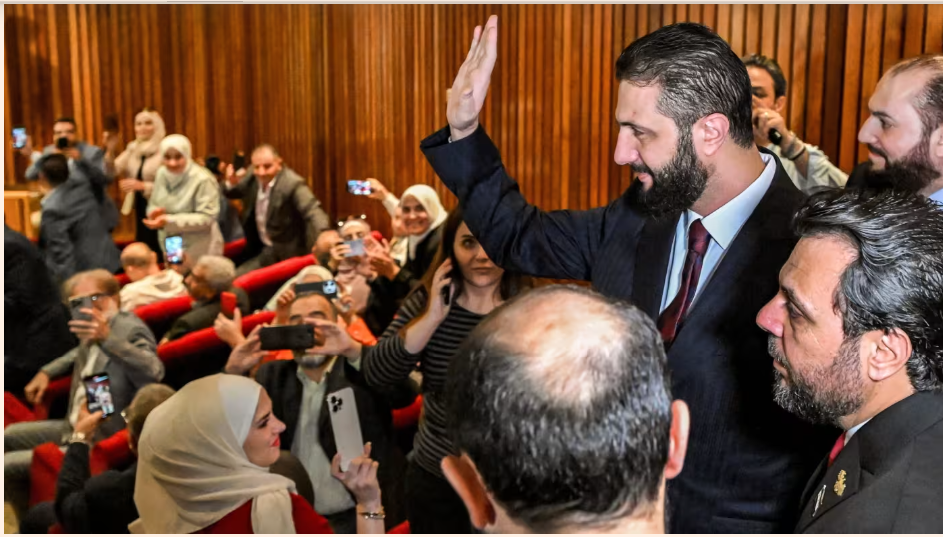
U.S. Ambassador: “Turkey and Israel Will Not Go to War-Turkey issues arrest warrant for Netanyahu and others
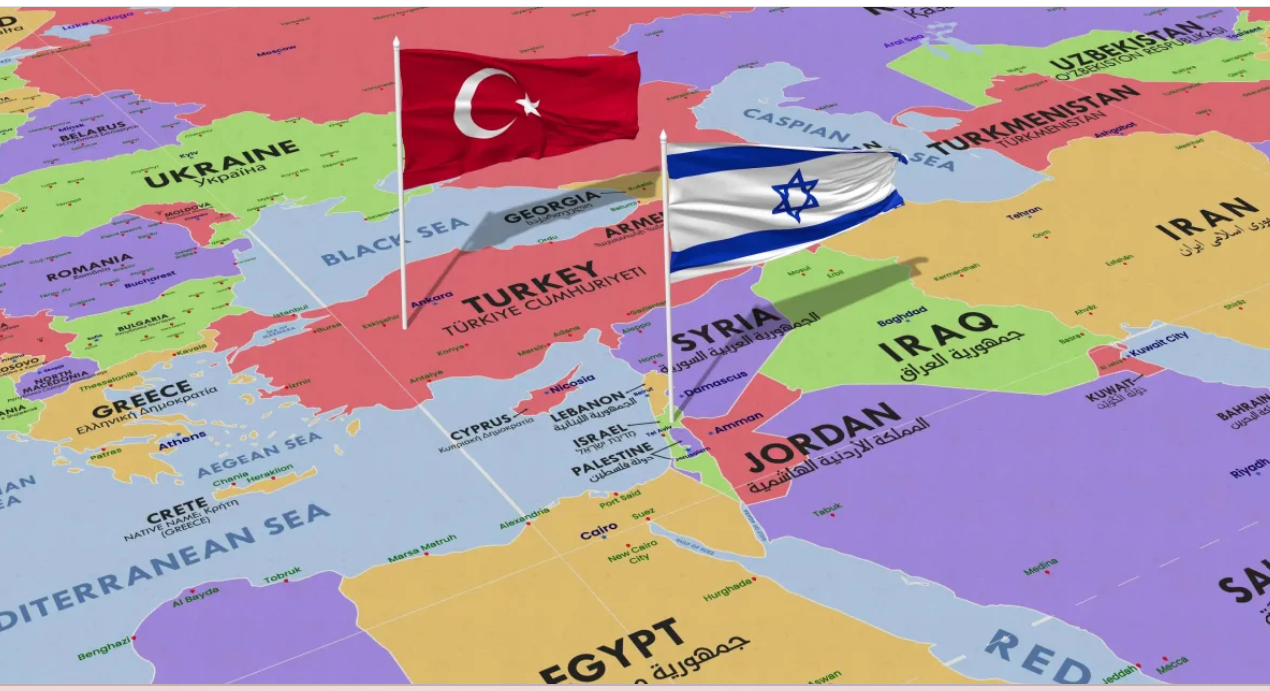 tr-israil
U.S. Ambassador to Turkey and Special Envoy for Syria Tom Barrack says Turkey and Israel are unlikely to enter military conflict and could even pursue a trade agreement if the Gaza peace plan continues to gain traction. Speaking at the Manama Dialogue in Bahrain, Barrack linked Turkey–Israel stability to a broader U.S.-backed regional alignment involving Syria, Azerbaijan, and Armenia. His remarks came as Turkey issued arrest warrants for Israeli leaders on genocide charges, raising questions about Ankara’s role in a future Gaza stabilization force.
“Turkey and Israel will not be at war”
U.S. Ambassador and Special Envoy for Syria Tom Barrack made a bold prediction at the International Institute for Strategic Studies (IISS) Manama Dialogue in Bahrain:
“Turkey and Israel will not be at war with each other.”
He added that if momentum from the Gaza peace process continues:
“You will see a trade deal between Turkey and Israel.”
Barrack suggested that the shift could create a regional alignment stretching:
→ From the Caspian Sea to the Mediterranean.
The ambassador name-checked Jared Kushner and Steve Witkoff, who are involved in diplomatic efforts to expand the temporary Gaza ceasefire into a lasting settlement within President Donald Trump’s second administration.
Gaza peace plan: phased Israeli withdrawal and humanitarian surge
Barrack’s comments came in the wake of the October 9 Trump peace agreement, which outlines:
-
A phased Israeli withdrawal from Gaza,
-
A hostage–prisoner exchange, and
-
A sharp increase in humanitarian aid.
If the agreement holds, Washington believes it could unlock a broader regional alignment involving Turkey, Israel, Syria, Azerbaijan, and Armenia.
“If the momentum holds, you’re going to see alignment,” Barrack said.
He pointed to the recent warming between Azerbaijan and Armenia as proof that former enemies can be integrated into the same regional architecture.
Behind-the-scenes deconfliction: Syria and the March 10 agreement
Barrack also claimed there was “no congestion between Syria and Turkey”, referring to U.S. efforts to manage post-Assad Syria.
-
On March 10, Syria’s new president Ahmed al-Sharaa and the Syrian Democratic Forces (SDF) signed a U.S.-mediated agreement to integrate Kurdish-led SDF units into the Syrian national army.
Turkey — which views the SDF as linked to the PKK — has opened direct channels with Damascus to negotiate a joint defense pact granting Turkish forces access to Syrian bases and airspace.
Meanwhile:
-
Turkish and Israeli military officials have secretly held technical talks in Azerbaijan to avoid accidental clashes over Syria.
This does not represent normalization, but indicates a shared desire to prevent escalation.
Obstacles: Turkey’s trade embargo and arrest warrants for Israeli leadership
Barrack’s optimistic projection contrasts sharply with current political realities.
Trade embargo remains in place
Turkey halted all trade with Israel on May 2, 2024.
The ban includes all exports and imports, imposed in response to civilian deaths in Gaza.
President Recep Tayyip Erdoğan called Israel’s military campaign “genocide” and joined the ICJ case against Israel.
Despite this, maritime and customs data reviewed by investigative outlets show that:
➡ Hundreds of cargo vessels continue to travel between Turkey and Israel
➡ Often via intermediaries
Turkish activists have accused Ankara of hypocrisy, while Israeli officials now describe Turkey as “hostile.”
Turkey issues genocide arrest warrants for Netanyahu and Israeli ministers
On Friday, the Istanbul Chief Public Prosecutor’s Office issued warrants for 37 Israeli officials, including:
-
Prime Minister Benjamin Netanyahu
-
Defense Minister Israel Katz
-
National Security Minister Itamar Ben Gvir
-
IDF Chief of Staff Eyal Zamir
Charges include:
-
Genocide
-
Crimes against humanity
Hamas welcomed the move, saying it reflects “the noble stance of the Turkish people.”
Israel responded sharply:
Israeli Foreign Minister Gideon Sa’ar called the warrants a “PR stunt” by Erdoğan.
What does this mean for the Gaza security force?
Earlier this week, Muslim-majority states met in Istanbul to discuss a U.S.-backed multinational stabilization force (ISF) for Gaza — a key element of Trump’s 20-point plan.
-
Turkey is seen by U.S. officials as a potential contributor.
-
Israel opposes any deployment of Turkish troops in Gaza.
-
U.S. Vice President JD Vance said Israel must consent to any foreign force.
This raises a critical question:
➡ How can Turkey join a stabilization mission while simultaneously issuing arrest warrants for Israeli leaders?
The Trump doctrine: reduce U.S. military presence, force regional actors to own the conflict
Barrack describes the evolving U.S. strategy as:
“Regional powers take ownership; the U.S. acts as broker and guarantor.”
In this framework, Turkey becomes:
-
A stabilizing military actor in Syria,
-
A key facilitator in Gaza,
-
A necessary counterpart to Israel in preventing escalation.
Bottom Line
Despite extraordinary diplomatic tension — including a trade embargo and genocide arrest warrants — the United States believes:
Turkey and Israel will avoid war, and could even return to trade cooperation.
Whether that prediction becomes reality depends entirely on one thing:
Whether the Gaza ceasefire holds and expands.
IMPORTANT DISCLOSURE: PA Turkey intends to inform Turkey watchers with diverse views and opinions. Articles may not represent the editorial board’s view or imply endorsement.
Follow our English YouTube @ REAL TURKEY and Twitter @AtillaEng. Facebook: Real Turkey Channel.
Related articles
US Vice President Vance Praises Turkey’s ‘Constructive Role’ in Gaza Ceasefire Implementation
Erdoğan criticizes UN’s failure to protect staff from Israeli strikes
Rising Tensions Put Turkey and Israel on Potential Collision Course in Syria