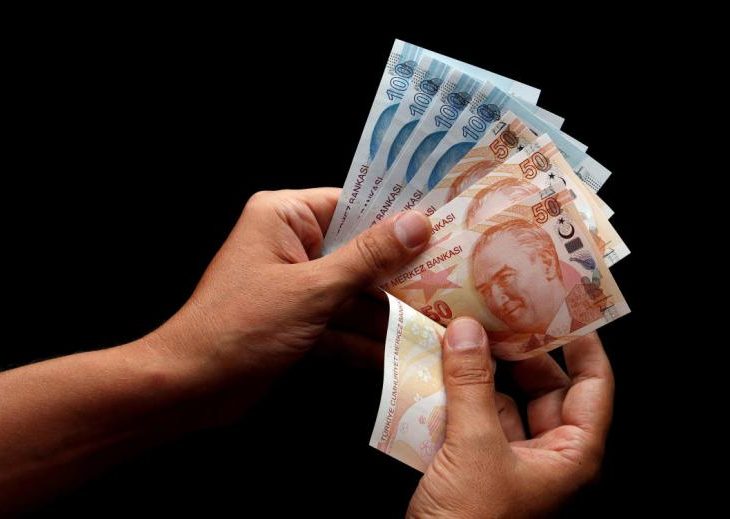
Turks Cross Into Greece for Cheaper Groceries as Prices Soar at Home
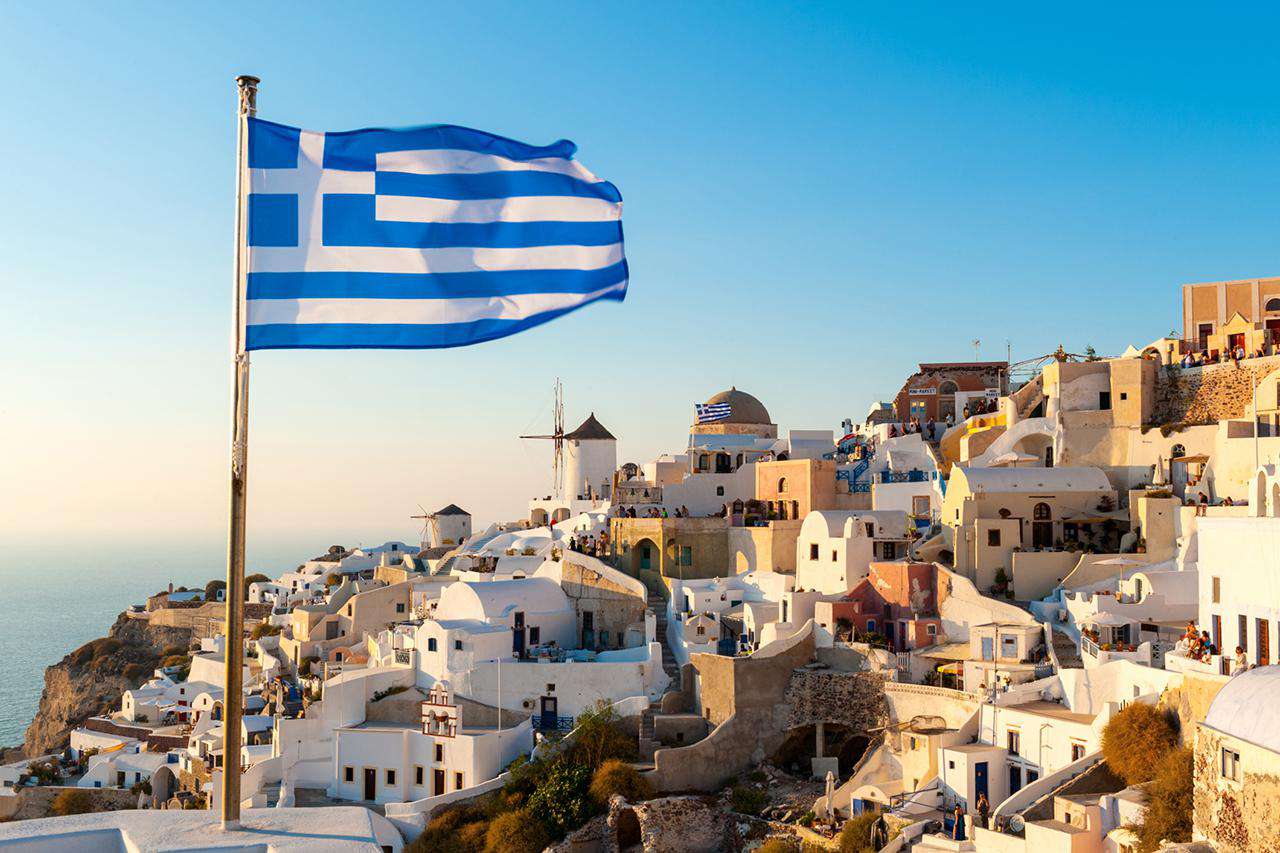 greece
Rising food prices and falling purchasing power are driving thousands of Turkish citizens to cross the border into Greece for day trips — not for tourism, but for groceries. What was once a flow of Greek shoppers into Turkey for bargains has now reversed, marking a striking shift in regional economic realities.
A Reversal of Fortunes
With living costs surging and successive price hikes across Turkey, many consumers are now filling their weekly shopping lists not in Istanbul or Edirne, but in the nearby Greek city of Alexandroupolis (Dedeağaç).
According to a Bloomberg report, the combination of soaring Turkish food prices and a strengthened lira has made everyday staples in Greece significantly cheaper. From olive oil and cheese to chocolate and meat, prices across the border can be as low as one-third of Turkish levels.
“My Shopping Costs a Third of What It Would in Turkey”
Cihan Çıtak, a food industry executive interviewed by Bloomberg, shared that he drives from Istanbul to Alexandroupolis — a four-hour trip — every month to shop for essentials.
“Here, a liter of olive oil costs around 10 euros, almost half of what it is in Turkey,” said Çıtak.
“My total shopping cost is about a third of what I would pay at home.”
He added that stores are now crowded with Turkish shoppers. “Sometimes there are hundreds of us shopping at once,” he said, describing long lines and full parking lots.
Dedeağaç Becomes a Shopping Hub
Greek statistical data confirms the trend: in the first nine months of 2025, 6% of Turks crossing into Greece did so primarily for shopping — the highest rate since 2012.
What began as an occasional border run has now become a small-scale economic migration, with social media filled with YouTube vlogs and TikTok clips comparing prices on both sides of the border.
At Lidl supermarkets in Dedeağaç, Bloomberg reporters observed steep price differences:
-
Ground beef sells for €9.36 per kilo (about $10.8) versus €12.10 in Turkey.
-
Sausages and Gouda cheese are roughly half or one-third the Turkish price.
While Turkey still has lower prices on certain domestic items, the overall grocery basket heavily favors Greece.
Strong Lira, Weak Table
Analysts note that this reversal reflects Turkey’s post-2023 economic transition. When President Recep Tayyip Erdoğan handed economic management to Finance Minister Mehmet Şimşek, the country returned to orthodox fiscal policy — higher interest rates, tighter credit, and a push for a stronger lira to combat inflation.
However, despite these policies, food inflation remains steep. According to TurkStat, food and non-alcoholic beverage prices have climbed 144% since Şimşek took office. The Central Bank of Turkey projects year-end inflation above 30%, hoping to halve that figure by 2026.
Political Backlash: “A Symbol of Economic Decline”
Opposition leader Özgür Özel of the CHP criticized the situation, saying that citizens now travel abroad just to afford basic groceries:
“After 23 years, this is what Erdoğan’s proud Turkey has become,” he said.
Shopping Tours Across the Border
The booming border trade has created a new micro-economy. Turkish tour companies now offer €50 day trips to Alexandroupolis from cities like Istanbul, Bursa, and Çanakkale.
Travelers shop at Lidl, Metro, and Jumbo, then enjoy local seafood restaurants before returning home.
“People buy everything from meat and cheese to pasta and seafood,” said Seçkin İğneli of Atom Tur, an Istanbul-based agency.
Muhammet Tamdeğer of Bursa’s Gezihane Travel added, “We have many repeat customers seeking quality and affordable goods.”
Bloomberg’s Take: The Symbol of a Reversed Reality
Bloomberg described the phenomenon as “a symbol of Turkey’s reversed economic fortunes.” Only a few years ago, Greeks were the ones driving to Turkey to benefit from lower prices. Now, with high interest rates and a stronger currency, Turks are the bargain hunters.
But the surge in cross-border shopping is not without frustration. Travelers report hours-long waits at passport control, with Çıtak noting:
“The queue back into Turkey took hours. Everyone’s doing the same thing—it never ends.”
Beyond a Trend: A New Economic Reality
While slowing inflation and a firming lira signal macroeconomic stabilization, the cost of everyday life continues to rise for Turkish households. The border-shopping boom has become more than a quirky trend — it’s a barometer of economic strain.
As one Bloomberg analyst put it, the sight of Turks filling their car trunks in Greek supermarkets reflects not just consumer adaptation, but a deeper imbalance between policy success and daily affordability.
For many, the strong lira has not translated into a strong dinner table — and until it does, the road to Dedeağaç will remain one of the busiest shopping routes in modern Turkey.
Related articles

ING Sees Further Rate Cuts in Turkey Amid Easing Inflation and Slowing Growth
Erdogan: Turkey will impose measures to shops charging excessive prices
CBT: Core inflation trend may edge up in September, driven by services and food