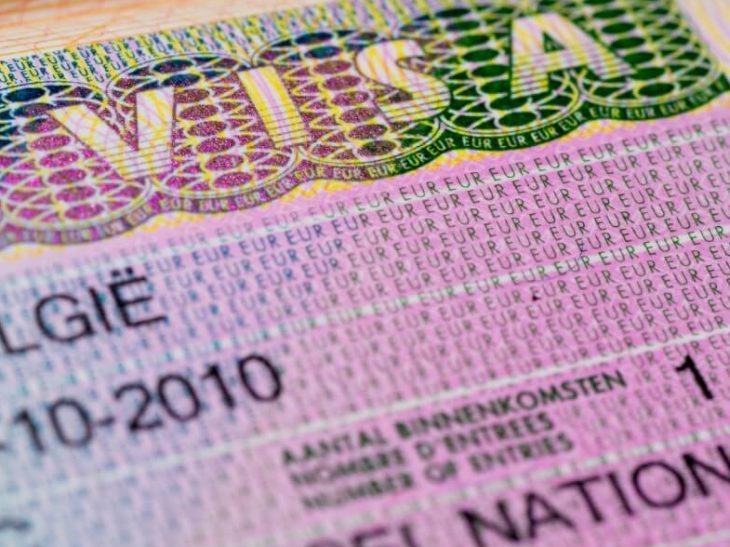
Türkiye’s Visa Black Market Exposed
 visa
visa
The visa appointment crisis for Turkish citizens applying to Schengen visas and other European destinations continues to worsen. What makes the issue more critical is that almost all intermediary companies handling the process are foreign-owned, raising major data security concerns. Despite the government’s frequent emphasis on “local and national” policies, the visa system remains largely in the hands of international firms.
According to experts, the lack of transparency in the system not only creates hardships for individual applicants but also risks exposing highly sensitive personal and financial information to companies based abroad.
Foreign Intermediaries Dominate the Visa Application Market
One of the most widely used intermediaries is VFS Global, originally founded by an Indian entrepreneur and later acquired in 2021 by the US-based private equity giant Blackstone. VFS Global operates in Türkiye on behalf of many European consulates, handling everything from document collection to biometric data processing.
Reports suggest that VFS Global may even withdraw from working with local Turkish partners altogether. If this happens, all personal data of Turkish applicants—including bank statements, property records, family addresses, and income details—would be processed solely by foreign entities.
Other companies active in the sector include BLS International (India-based, recently acquiring IDATA, once Türkiye’s most prominent local player). This acquisition significantly reduced the presence of Turkish-owned companies in the visa services sector. Currently, only a handful of smaller local firms—such as Kosmos (serving Greece) and AS Vize (serving Hungary, Portugal, Slovenia)—remain, and their market share is limited.
Data Security Concerns: How Safe Are Turkish Citizens’ Documents?
Visa applications require individuals to submit not only passports but also a wide range of private data:
-
Bank account statements
-
Proof of property ownership
-
Employment contracts
-
Insurance documents
-
Family background information
Experts warn that the absence of strict regulation and oversight in Türkiye leaves applicants vulnerable to potential data breaches. Many citizens are questioning why sensitive information such as financial and personal records is being handed over to foreign corporations, while domestic companies are largely excluded.
Black Market for Visa Appointments
Another alarming development is the black market for visa appointment slots. Since the COVID-19 pandemic, getting an appointment at European consulates has become increasingly difficult. Many applicants report that slots are filled within seconds after being released.
Investigations suggest that certain software tools or bots are being used to grab appointments instantly, which are later resold on the black market. Prices reportedly range from $500 to $3,000 depending on urgency and destination.
This shadow market not only increases costs for citizens but also raises suspicions that some insiders may be benefiting from the system’s dysfunction.
Strategic Projects at Risk: Beyond Individual Travel
The visa crisis doesn’t only affect tourism or student mobility. It is also disrupting strategic projects that require foreign expertise.
For instance, the Akkuyu Nuclear Power Plant project reportedly faced delays because technical experts from Europe were unable to secure timely visas. Similar issues were highlighted by Roketsan, where executives revealed that even importing simple industrial materials such as screws had become nearly impossible due to bureaucratic and visa-related obstacles.
This demonstrates that Türkiye’s defense, energy, and technology sectors could face setbacks unless a more transparent and functional visa system is established.
Why Are Local Companies Excluded?
Critics argue that Türkiye’s constant emphasis on “local and national” industries is contradicted by the near-total dominance of foreign firms in visa services. Local companies are believed to be more capable of ensuring data transparency, cultural alignment, and cost efficiency.
Yet, opportunities for domestic firms remain extremely limited. Even when Turkish companies like IDATA existed, they were eventually bought out by foreign competitors, reducing Türkiye’s control over its own citizens’ sensitive data.
Expert Recommendations: How to Fix the System
Experts suggest Türkiye can adopt measures already in place in parts of Europe. For example, some EU countries require intermediary companies to provide applicants with an appointment within 2–3 days at the latest. This rule prevents appointment hoarding and the rise of black-market resales.
Policy analysts argue that:
-
Türkiye should increase regulatory oversight on data handling by foreign firms.
-
Domestic firms should be incentivized and given priority licenses to operate in the sector.
-
Appointment transparency rules must be implemented to prevent abuse.
Without these reforms, the visa bottleneck could worsen, both financially burdening citizens and hindering national projects that depend on international cooperation.