Türkiye’s Household Inflation Expectations Fall Slightly to 67%, Dollarization Trend Slows
 inflation
Koç University’s Data Research Center has released the May 2025 results of its Household Inflation Expectation Survey, revealing a modest decline in inflation forecasts alongside shifting household saving behaviors in Türkiye.
12-Month Inflation Expectations Drop Slightly
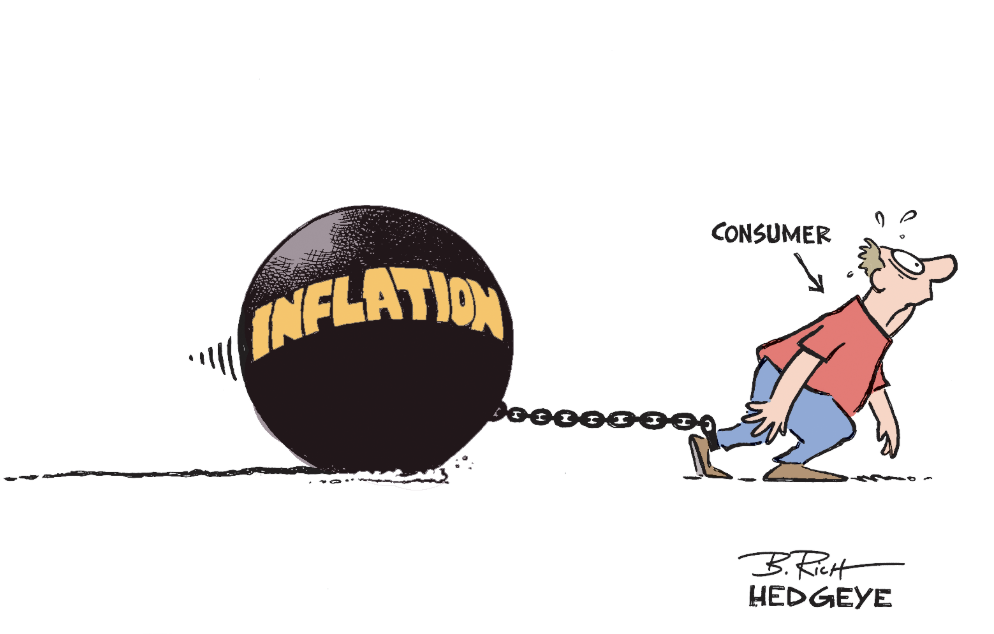
According to the survey, the average inflation expectation for the 12-month period through May 2026 declined slightly to 67%, down from 68% in April. The year-end inflation estimate remained unchanged at 69%, while the retrospective inflation perception for the past 12 months decreased to 73% from April’s 78%.
Dollarization Persists but Slows
Despite the Central Bank’s tightening monetary policy, 23% of respondents said they plan to convert part of their Turkish lira (TL) savings into foreign currency over the next three months, while only 2% intend to convert their foreign currency holdings back into TL.
Notably, 58% of participants said they do not plan to make any changes, indicating a more stable—but still cautious—attitude toward currency preferences.
Declining Interest in Gold and FX Deposits
The survey also recorded a decline in interest in gold, foreign exchange (FX) purchases, and FX deposits, signaling a potential shift in household preferences following the post-March 19 political volatility and recent interest rate hikes by the Central Bank.
Meanwhile, interest in cryptocurrencies and the stock market remained limited, highlighting a general aversion to high-volatility assets.
Saving Choices Reflect Inflation Perception
A key takeaway from the survey is the clear link between saving preferences and inflation expectations:
-
Respondents who prefer TL deposits tend to have lower inflation expectations.
-
Those favoring FX, gold, or real estate anticipate higher inflation, revealing a stronger drive for hedging against perceived economic instability.
What the Data Suggests
These results suggest that while inflation expectations remain elevated, confidence in monetary policy is cautiously improving. The slight dip in dollarization and reduced appeal of traditional safe-haven assets may indicate that households are beginning to respond to macroeconomic policy signals, though trust in the lira remains fragile.
IMPORTANT DISCLOSURE: PA Turkey intends to inform Turkey watchers with diverse views and opinions. Articles in our website may not necessarily represent the view of our editorial board or count as endorsement.
Follow our English language YouTube videos @ REAL TURKEY: https://www.youtube.com/channel/UCKpFJB4GFiNkhmpVZQ_d9Rg
And content at Twitter: @AtillaEng
Facebook: Real Turkey Channel: https://www.facebook.com/realturkeychannel/