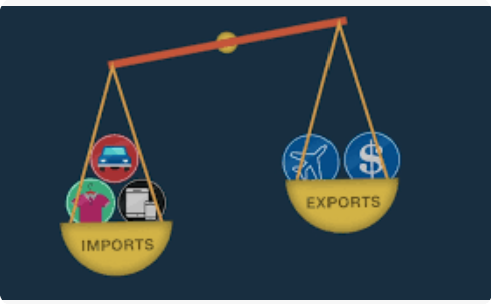
Türkiye’s Export Prices Rise as Volumes Fall in October
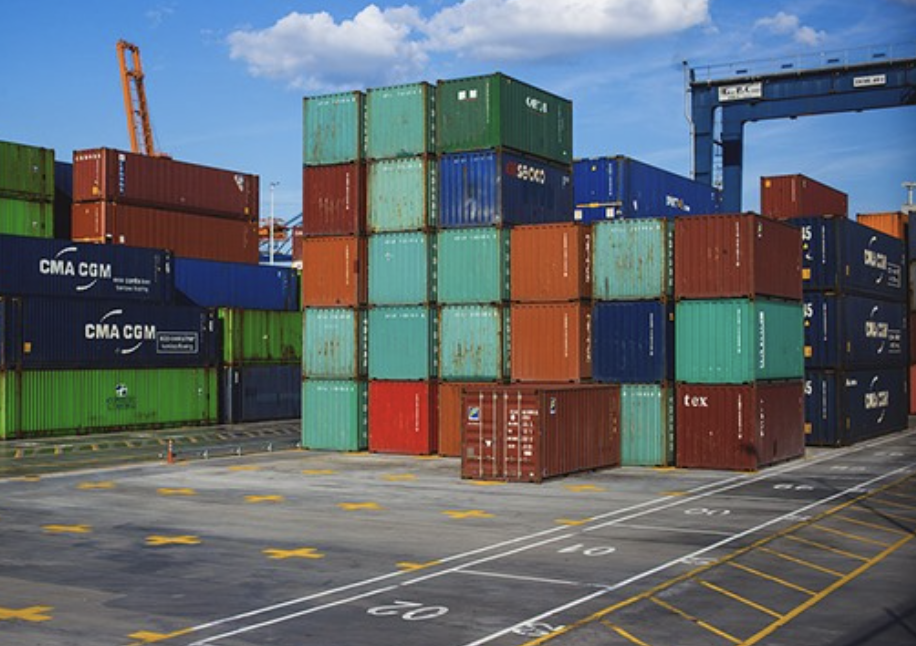 exports
Türkiye’s foreign trade indicators sent mixed signals in October, as rising export and import prices contrasted with weakening export volumes, according to the latest data released by the Turkish Statistical Institute (TÜİK). The figures point to improving price conditions and terms of trade, even as demand-side pressures weighed on shipment volumes, particularly across manufacturing and commodity-related categories.
Overall, the data underline a structural divergence in Türkiye’s trade dynamics: export values are being supported by higher unit prices, while export quantities continue to contract, reflecting softer external demand, tighter financial conditions, and global economic uncertainty.
Export Unit Values Increase Strongly
According to TÜİK, the export unit value index increased by 9.6% year-on-year in October, signaling a notable rise in the average prices of goods sold abroad. This increase was broad-based across most product groups, highlighting Türkiye’s ability to maintain pricing power despite volume declines.
By sector, export unit values rose 10.2% in food, beverages, and tobacco, while raw materials excluding fuels recorded a 4.6% increase. The manufacturing industry (excluding food, beverages, and tobacco) saw a particularly strong 10.5% rise, reinforcing the role of industrial exports in supporting overall export revenues.
The only major category showing a decline was fuels, where export unit values fell 5.4% year-on-year, reflecting softer global energy prices and price volatility in fuel-related trade.
Export Volumes Decline Across All Major Categories
In contrast to rising prices, the export volume index fell by 7.0% compared with October of the previous year, indicating a broad-based contraction in physical shipment quantities.
The sharpest decline was recorded in fuels, where export volumes dropped 19.7%, followed by food, beverages, and tobacco, which declined 13.1%. Raw materials excluding fuels saw a 5.8% decrease, while manufacturing exports (excluding food, beverages, and tobacco) contracted by 4.8%.
These figures suggest that while exporters are achieving higher prices per unit, demand conditions—particularly in external markets—are limiting the ability to expand volumes. This trend is consistent with slowing global growth and tighter monetary conditions in key trading partners.
Import Prices Also Rise, but More Moderately
On the import side, the import unit value index increased by 3.7% year-on-year in October, a more moderate rise compared to export prices. This divergence between export and import price trends contributed positively to Türkiye’s external price balance.
Within imports, food, beverages, and tobacco recorded a 7.3% increase in unit values, while manufacturing imports (excluding food, beverages, and tobacco) rose 2.9%. In contrast, fuel import prices declined by 5.1%, and raw materials excluding fuels fell 2.8%, reflecting easing commodity prices and energy cost dynamics.
Import Volumes Show Expansion
Unlike exports, import volumes increased, indicating resilient domestic demand and ongoing production needs. The import volume index rose 3.3% year-on-year in October, with increases recorded across all major categories.
Imports of food, beverages, and tobacco surged 15.3%, while raw materials excluding fuels increased 5.1%. Fuel imports edged up 1.8%, and manufacturing imports (excluding food, beverages, and tobacco) rose 1.4%.
This pattern suggests that domestic consumption and intermediate goods demand remained relatively firm, even as export-oriented sectors faced headwinds abroad.
Seasonally Adjusted Data Confirm Diverging Trends
Seasonally and calendar-adjusted figures further reinforce the divergence between exports and imports. The seasonally and calendar-adjusted export volume index declined by 1.5% month-on-month, falling from 140.5 in September 2025 to 138.4 in October 2025.
On a calendar-adjusted annual basis, the export volume index dropped 7.0%, declining from 153.9 in October 2024 to 143.1 in October 2025, confirming that temporary or seasonal factors do not drive the contraction in export quantities.
In contrast, the seasonally and calendar-adjusted import volume index rose sharply by 6.1% month-on-month, increasing from 120.7 in September 2025 to 128.1 in October 2025. On a calendar-adjusted annual basis, import volumes increased 3.3%, rising from 120.6 to 124.6.
Terms of Trade Improve Significantly
One of the most notable outcomes in October’s data was the improvement in terms of trade, a key indicator of external price competitiveness. The terms of trade index, calculated as the ratio of export unit values to import unit values, increased by 5.0 points year-on-year, rising from 86.2 in October 2024 to 91.2 in October 2025.
This improvement indicates that Türkiye is receiving more import value for each unit of exports, a development that supports external balance and cushions the impact of weaker export volumes.
What the Data Signal for the Trade Outlook
Taken together, the October figures present a nuanced picture. Rising export prices and improving terms of trade are positive signals, particularly for export revenues and external price dynamics. However, the persistent decline in export volumes highlights ongoing challenges related to global demand, competitiveness, and financing conditions.